
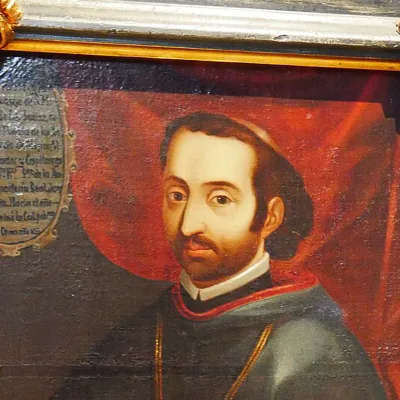
A Navarrese jurist who became Bishop of Puebla and for a time viceroy, he completed the cathedral, founded the Palafoxiana library and defended the Indians, before ending his days as Bishop of Osma.
The natural son of the Marquis of Ariza, born at Fitero in Navarre on 24 June 1600, Juan de Palafox was brought up by a modest family before being acknowledged by his father, who had him educated, notably at the University of Salamanca. Fiscal prosecutor of the Councils of War and of the Indies, he chose the priesthood, was ordained priest in 1629 and accompanied as chaplain, across Europe, Maria Anna of Austria, sister of Philip IV and queen of Hungary.
Appointed Bishop of Tlaxcala, whose see was at Puebla, he arrived there in 1640, charged also with the general visitation of New Spain. In 1642 he deposed the viceroy, suspected of collusion with rebel Portugal, and himself governed the viceroyalty for five months. At Puebla he forbade converting the Indians other than by persuasion, founded colleges and a Dominican nuns' convent, bequeathed his books to the seminary, the nucleus of the present Palafoxiana library, and in 1649 consecrated the cathedral he had had completed.
His conflict with the Jesuits and the religious orders, which he intended to subject to episcopal jurisdiction according to the Council of Trent, led to his recall to Spain; appointed Bishop of Osma in 1653, he died there on 1 October 1659. His cause, opened as early as 1666 and long hindered by these controversies, led to the decree on his virtues in 2009 and then to his beatification at El Burgo de Osma on 5 June 2011; relics were given to Puebla, of which he remains the great episcopal figure.
Celebrated on the same day
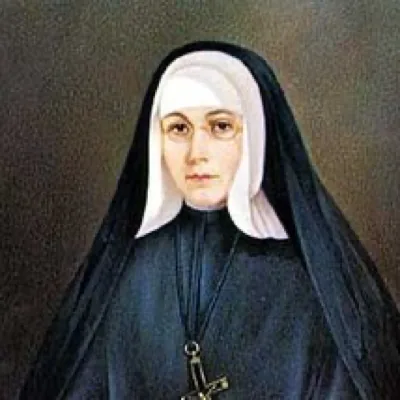
Blessed Marie-Rose Durocher
Foundress of the Sisters of the Holy Names of Jesus and Mary
Blessed Bernardo Fábrega
Marist Brother, martyr of Barruelo de Santullán
Blessed Diego Luis de San Vitores
Apostle of the Mariana Islands
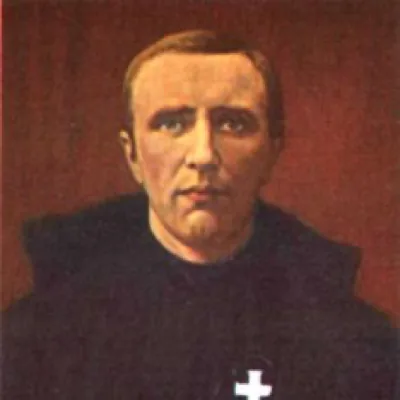
Blessed Isidore De Loor
Passionist brother of Kortrijk
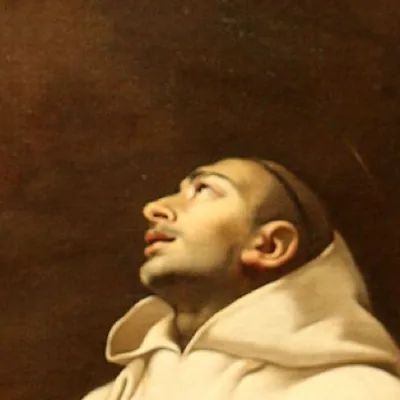
Saint Bruno the Carthusian
Founder of the Carthusians
Saint John Xenos
Hermit, founder of monasteries in Crete
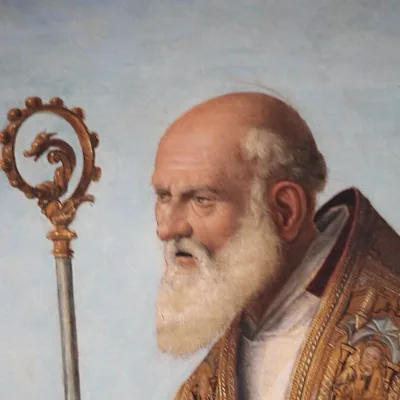
Saint Magnus of Oderzo
Bishop of Oderzo and Heraclea, legendary founder of the churches of Venice
Saint Enimie
Hermit of the Gévaudan
Saint Faith of Agen
Virgin and martyr, venerated at Conques
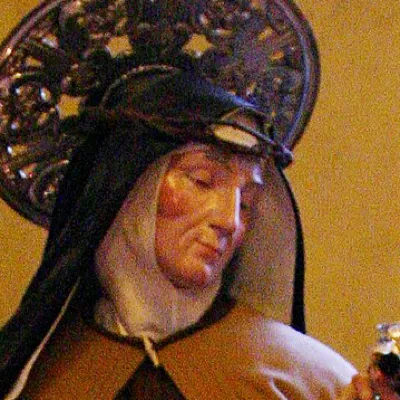
Saint Mary Frances of the Five Wounds
Franciscan tertiary, mystic of the Spanish Quarter
In the same region
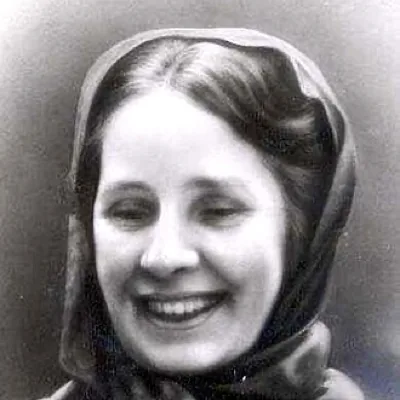
Blessed Concepción Cabrera de Armida
Conchita, mother of a family and mystic
Blessed Dina Bélanger
Pianist and mystic of Jesus and Mary
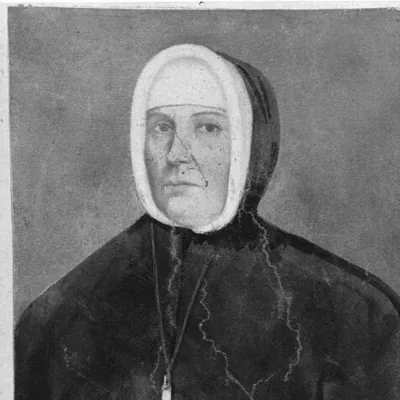
Blessed Émilie Tavernier-Gamelin
Foundress of the Sisters of Providence