
A Merovingian princess according to a twelfth-century legend, cured of leprosy by a spring in the Tarn gorges, she is said to have lived there as a hermit; her cult remains alive in the Gévaudan.
The story of Enimie is known only from a Latin Life of the late eleventh or early twelfth century and from an Occitan poem by the troubadour Bertran de Marseille, in the thirteenth century. According to these accounts, she was the daughter of King Clotaire II and sister of Dagobert. Refusing the husband her father imposed on her, she was struck with leprosy; an angel sent her to the Gévaudan, to the spring of Burle, on the bank of the Tarn, where she was cured. As the illness returned each time she wished to leave, she settled in a cave, founded a monastery with Bishop Ilère and fought the Drac, a figure of the devil.
No source from the early Middle Ages mentions Enimie, and several historians doubt her existence. The account places at her side Bishop Hilary of Javols, who in fact lived a century earlier, at the time of the Council of Clermont (535), and it serves the interests of the monastery of Burle, restored in 951 by the monks of Saint-Chaffre. The cult, however, is ancient: the village of Burle took the name Sainte-Enimie, her relics were venerated at the Hermitage until they were stolen in 1970, and a pilgrimage takes place there on the first Sunday of October each year.
Celebrated on the same day
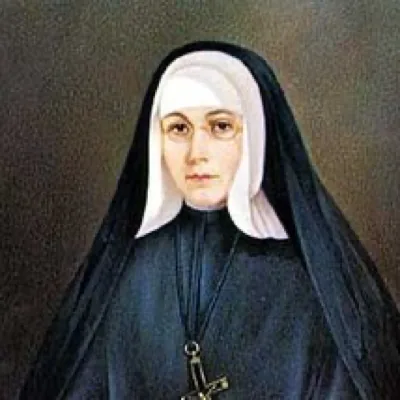
Blessed Marie-Rose Durocher
Foundress of the Sisters of the Holy Names of Jesus and Mary
Blessed Bernardo Fábrega
Marist Brother, martyr of Barruelo de Santullán
Blessed Diego Luis de San Vitores
Apostle of the Mariana Islands
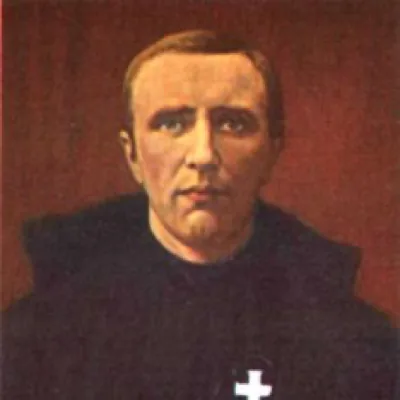
Blessed Isidore De Loor
Passionist brother of Kortrijk
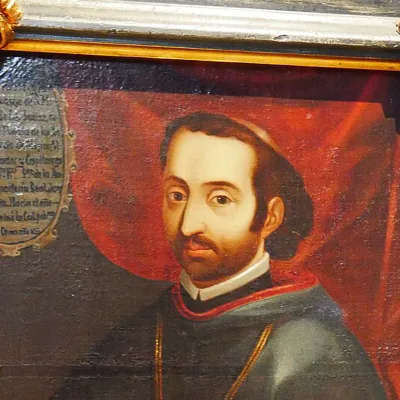
Blessed Juan de Palafox y Mendoza
Bishop of Puebla, viceroy of New Spain
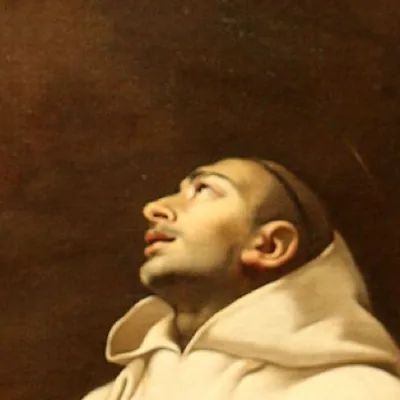
Saint Bruno the Carthusian
Founder of the Carthusians
Saint John Xenos
Hermit, founder of monasteries in Crete
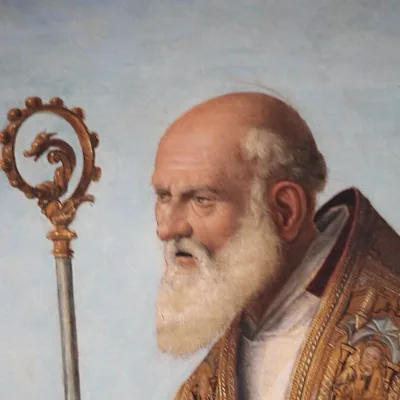
Saint Magnus of Oderzo
Bishop of Oderzo and Heraclea, legendary founder of the churches of Venice
Saint Faith of Agen
Virgin and martyr, venerated at Conques
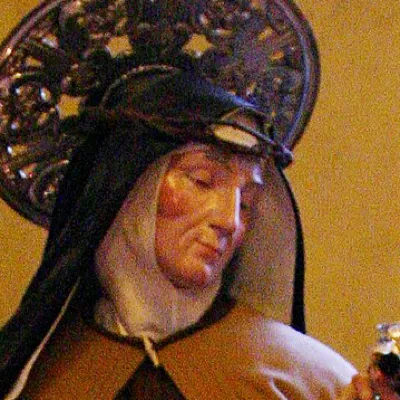
Saint Mary Frances of the Five Wounds
Franciscan tertiary, mystic of the Spanish Quarter
In the same region
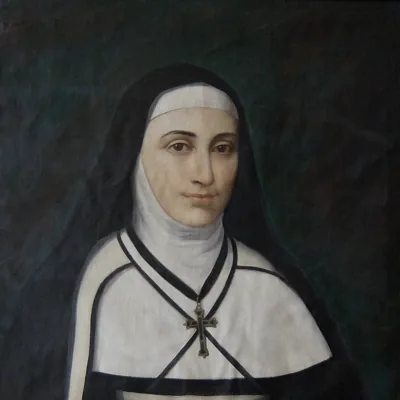
Blessed Adèle de Batz de Trenquelléon
Foundress of the Daughters of Mary Immaculate
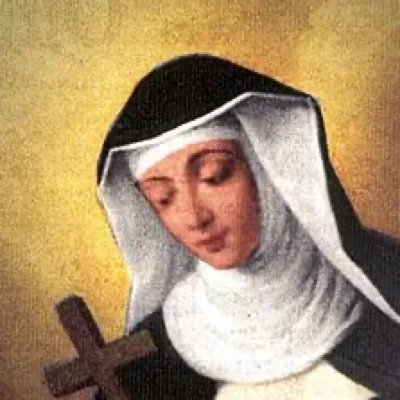
Blessed Agnes of Langeac
Dominican mystic of the Velay
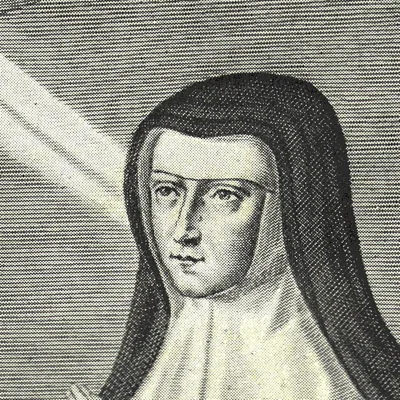
Blessed Alix Le Clerc
Foundress of the Congregation of Notre Dame