
A warrior in the service of Tokugawa Ieyasu, driven from court for his faith, branded on the forehead with a cross by a red-hot iron, he was burned alive at Shinagawa during the great martyrdom of Edo.
Born at Usui Castle, in Shimōsa (Chiba), Hara Mondonosuke saw his father lose his lands for having supported the Hōjō against the Tokugawa; he himself entered the service of the Tokugawa and became known as a valiant warrior. Baptised at Osaka in 1600 by the Jesuit Pedro Morejón, he figured in 1612 among the fourteen Christians driven from Sunpu Castle by Tokugawa Ieyasu. Retaken in 1615, he had the tendons of his hands and feet cut and his forehead branded with a cross by a red-hot iron.
He then lived hidden in the hospital that the Franciscans kept for the poor at Torigoe, in Edo, and helped the missionaries. Denounced in 1623 by a former vassal of his family, he was arrested with Jerome de Angelis and Francis Gálvez and burned alive with them at Shinagawa on 4 December 1623, during the great martyrdom of Edo; on horseback, hands bound, the three men had preached to the crowd during the execution of the other faithful. He was beatified in 2008, as representing the laity who died that day; his statue stands before the church of Shizuoka.
Celebrated on the same day
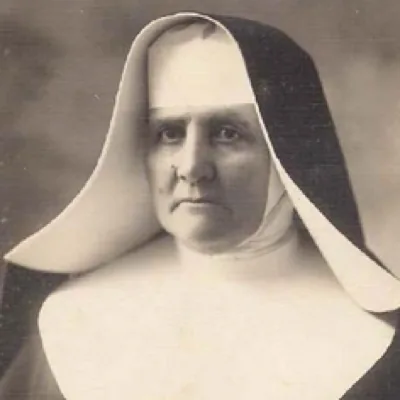
Blessed Assunta Marchetti
Mother of the orphans of the emigrants
Blessed Thecla Hashimoto and Companions
Martyrs of the great martyrdom of Kyoto
Blessed Adam Arakawa
Catechist of the church of Shiki, martyr of Amakusa
Blessed Adrian Takahashi Mondo and Companions
Martyrs of Arima (1613)
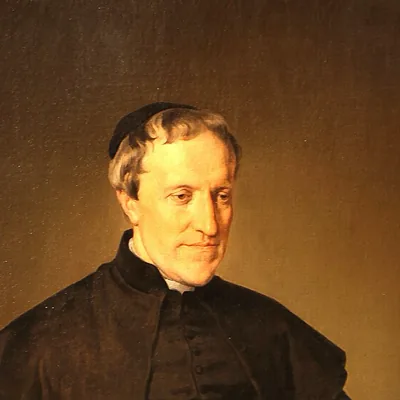
Blessed Antonio Rosmini
Philosopher, founder of the Institute of Charity
Blessed Diego Kagayama Hayato and his Companions
First counsellor of the domain of Kokura, martyr
Blessed Diego Yūki Ryōsetsu
Japanese Jesuit, last priest of the Kinai, martyr at Ōsaka
Blessed Francis Tōyama Jintarō and Companions
Martyrs of Hiroshima (1624)
Blessed Gaspar Nishi Genka and his Family
Catechist of Ikitsuki, father of Saint Thomas Nishi
Blessed Gen'ya and Miya Ogasawara and Companions
Martyrs of Kumamoto (1636)
Blessed John Minami Gorozaemon and Companions
Martyrs of Yatsushiro and Kumamoto (1603–1609)
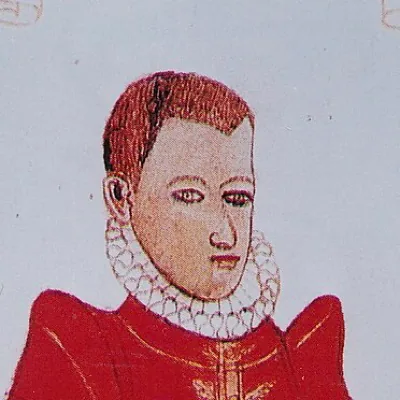
Blessed Julian Nakaura
Japanese ambassador to the pope, Jesuit and martyr
Blessed Leo Saisho Shichiemon
Samurai of Satsuma, martyr four months after his baptism
Blessed Louis Amagasu Uemon and Companions
Martyrs of Yonezawa (1629)
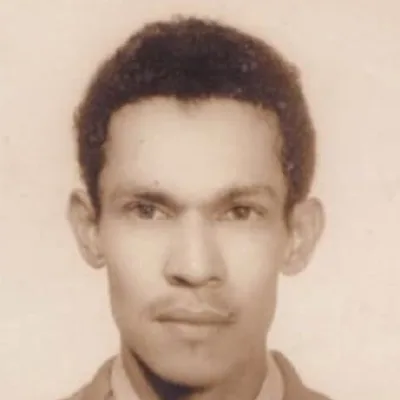
Blessed Luis Obdulio Arroyo Navarro
Secular Franciscan catechist, martyr of Izabal
Blessed Melchior Kumagai and Damian of Yamaguchi
Martyrs of Hagi and Yamaguchi
Blessed Nazju Falzon
Cleric, catechist of soldiers and sailors
Blessed Nicholas Keian Fukunaga and Michael Kusuriya
Martyrs of Nishizaka (1633)
Blessed Paul Uchibori Sakuemon and Companions
Martyrs of Unzen (1627)
Blessed Peter Kasui Kibe
Jesuit, pilgrim to Jerusalem and Rome, martyr of Edo
Blessed Peter Kibe and 187 Companions
The 188 martyrs of Japan (1603–1639)
Blessed Thomas Kintsuba Jihyōe
Japanese Augustinian, the legendary “Father Kintsuba”
Blessed Thomas Maxfield
Priest born in prison, martyr at Tyburn
Blessed Tullio Maruzzo
Franciscan, parish priest of Quiriguá, martyr of Izabal
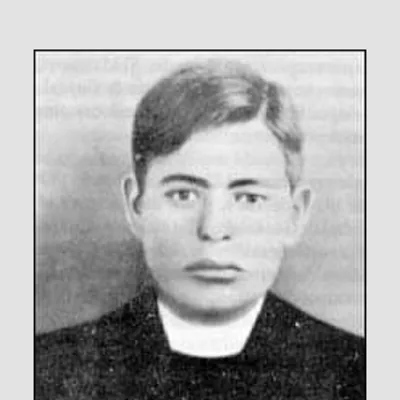
Saint Atilano Cruz Alvarado
Priest ordained in a ravine
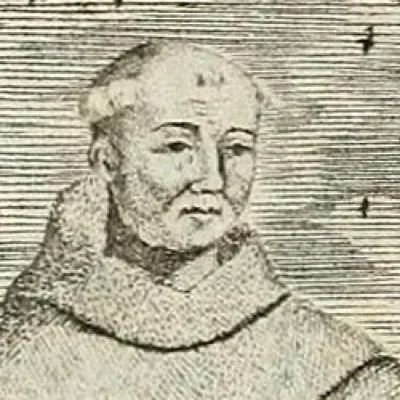
Saint Junípero Serra
Franciscan, apostle of California
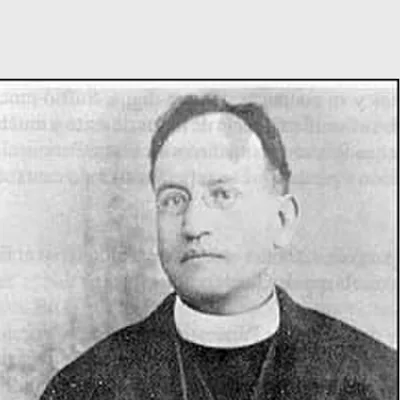
Saint Justino Orona Madrigal
Parish priest of Cuquío
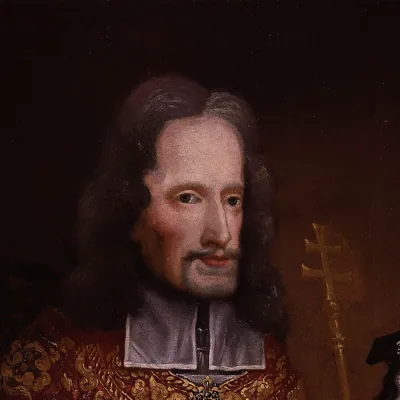
Saint Oliver Plunkett
Archbishop of Armagh, martyr
In the same region
Blessed Isabel Fernandez
Widow of Domingos Jorge, martyr with her son Ignatius
Blessed Lucy de Freitas
Japanese widow, Franciscan tertiary, burned alive at eighty
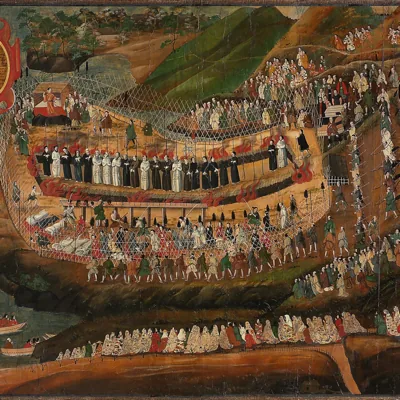
Blessed 205 Martyrs of Japan
Martyrs of the Tokugawa persecution (1617–1632)