
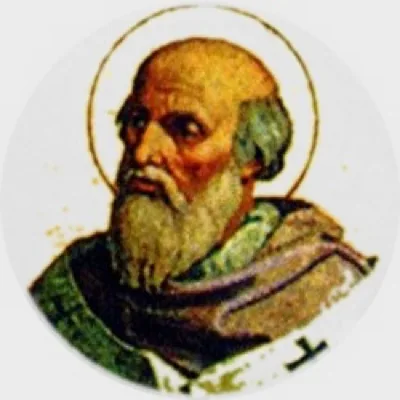
A Roman trained at the Lateran palace, pope from 715 to 731, he resisted the iconoclast emperor Leo III, handled the Lombards with care and entrusted Boniface with the mission to Germany.
Born at Rome around 669, Gregory grew up at the Lateran, where he served in succession as subdeacon, treasurer and librarian of the Roman Church; as deacon, he accompanied Pope Constantine to Constantinople in 710 and distinguished himself there in the discussions with the emperor Justinian II. Elected in 715, he restored the walls of Rome and several monasteries, among them Monte Cassino, which he had rebuilt by Petronax.
In 719 he received the Anglo-Saxon monk Wynfrith, gave him the name of Boniface and sent him to preach in Germany, then consecrated him bishop in 722. When the emperor Leo III the Isaurian forbade the veneration of images from 726 and claimed to levy new taxes on the estates of the Church, Gregory refused and defended the veneration of icons, without however breaking with the Empire or supporting the Italian revolts. He obtained from the Lombard king Liutprand the restitution of Sutri, “given to the apostles Peter and Paul” (728), the first nucleus of the future Papal States.
He died on 11 February 731 and was buried at Saint Peter’s. The Roman Martyrology commemorates him on 11 February for his defence of the Church and of the holy images and for sending Boniface to Germany.
Celebrated on the same day
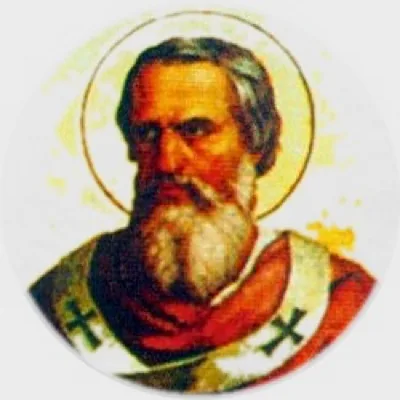
Saint Paschal I
Pope, builder of Santa Prassede
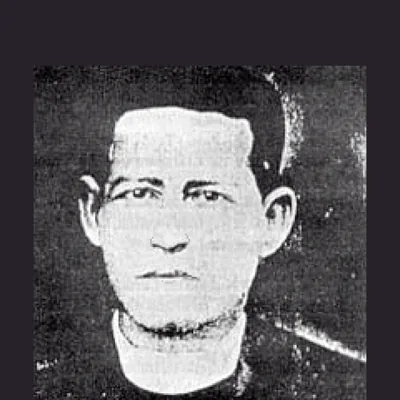
Saint Pedro de Jesús Maldonado Lucero
Parish priest of Santa Isabel, martyr of Chihuahua
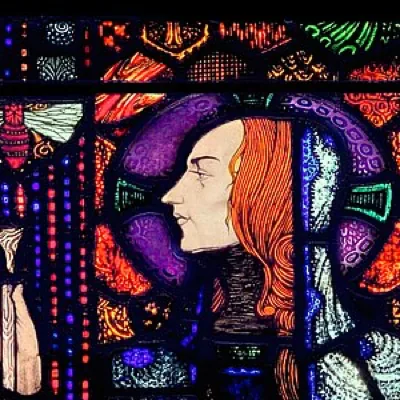
Saint Gobnait of Ballyvourney
Abbess of Ballyvourney
In the same region
Blessed Angelina of Marsciano
Foundress of the Franciscan Sisters of the Third Order Regular
Blessed Anna Rosa Gattorno
Widow, foundress of the Daughters of St Anne
Blessed Anna Maria Taigi
Mother of a family and Roman mystic