
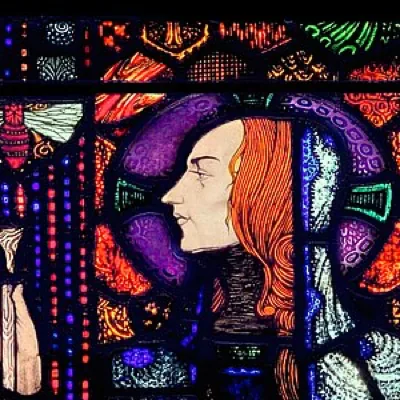
Abbess of Ballyvourney, in the west of County Cork, whom tradition associates with bees, she remains the object of a living devotion in Munster and the Aran Islands.
No Life of Gobnait has come down to us: she appears in the Life of Saint Abban, her elder and companion, written in the early thirteenth century, and both the Félire Óengusso and the Martyrology of Donegal commemorate her on 11 February. Her church was Móin Mór, later Bairnech, at Ballyvourney (Baile Bhuirne), on the borders of the Múscraige and the Eóganacht Locha Léin.
According to tradition, born in Clare and fleeing a family quarrel, she took refuge on Inis Oírr, in the Aran Islands, where a church still bears her name. An angel is said to have told her that the place of her resurrection would be where she saw nine white deer grazing; she found them at Ballyvourney, where Saint Abban helped her to found a women’s monastery and placed her at its head. There she tended the sick and is said to have preserved the country from plague; a famous legend shows her loosing a swarm of bees against a robber who had stolen cattle.
Devotion to her has never ceased: in 1601 Clement VIII granted an indulgence to those who visited the church of Ballyvourney on her feast day. Excavations at the site have revealed substantial smithing activity, in keeping with her old patronage of blacksmiths. Ballyvourney, Dún Chaoin in Kerry and Inis Oírr remain her chief places of pilgrimage; her feast, long local, has been entered in the proper calendar of Ireland.
Celebrated on the same day
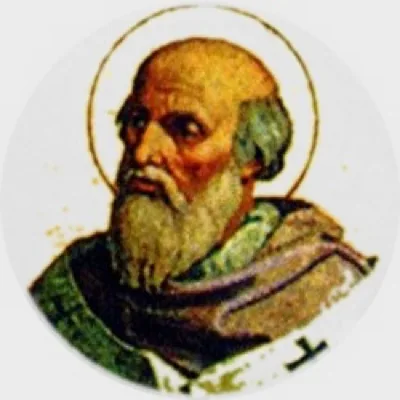
Saint Gregory II
Pope, he sent Boniface to Germany
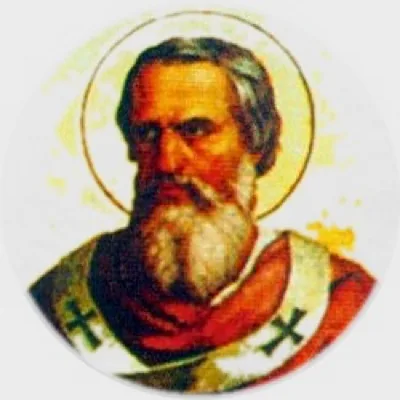
Saint Paschal I
Pope, builder of Santa Prassede
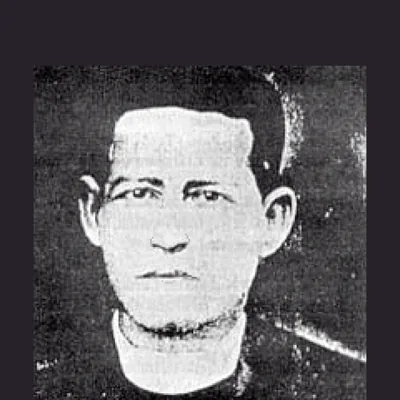
Saint Pedro de Jesús Maldonado Lucero
Parish priest of Santa Isabel, martyr of Chihuahua
In the same region
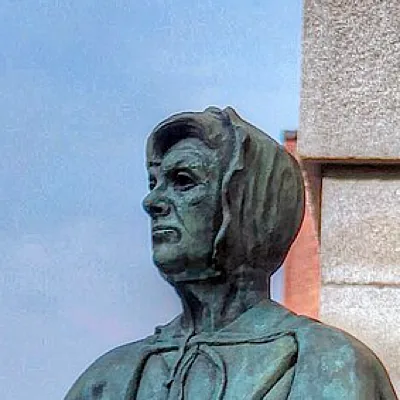
Blessed Margaret Ball
Former Lady Mayoress of Dublin, who died in prison
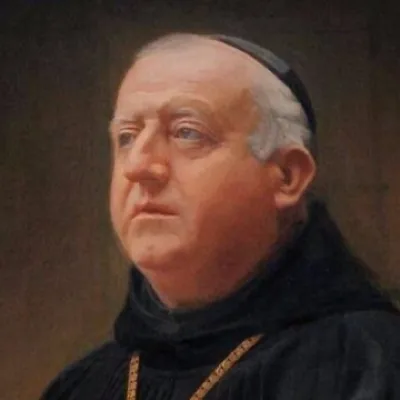
Blessed Columba Marmion
Abbot of Maredsous, spiritual master
Blessed Dermot O’Hurley
Archbishop of Cashel, martyr