
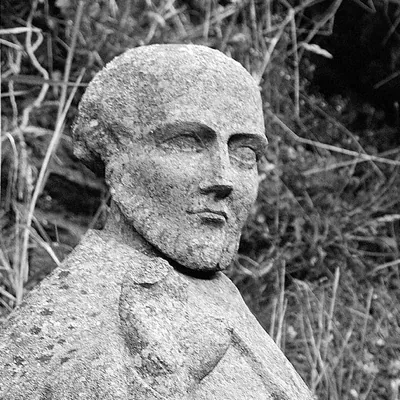
A monk from the island of Britain, author of the “De excidio Britanniae”, which denounces the vices of the British kings and clergy, he founded, according to tradition, the abbey of Rhuys, where he is venerated.
Gildas, known as the Wise, was born towards the end of the fifth century on the island of Britain, probably in the kingdom of Strathclyde, in the very year, he writes, of the battle of Mount Badon. A disciple of Saint Illtud in Wales, he composed before 547 the “De excidio et conquestu Britanniae”, a vehement sermon reproaching the British kings and clergy for faults he held to be the cause of the Saxon invasions. It is one of the major sources for the history of Great Britain in the fifth and sixth centuries.
Saint Columbanus cites him as an authority on monastic matters in a letter to Pope Gregory the Great. His Armorican Life, written in the eleventh century at Rhuys and mixing sound information with legendary elements, has him settle first on the island of Houat, then found the monastery of Rhuys, south of the Gulf of Morbihan, and live as a hermit on the banks of the Blavet; it also involves him in the story of the tyrant Conomor and Saint Trifine. The Welsh annals record a journey to Ireland in 565.
According to the same annals, he died in 570; according to his Life, he passed away on a 29 January on the island of Houat, and his body, cast up on the shore after a shipwreck, was gathered by the monks of Rhuys, who buried it in their church. The abbey of Saint-Gildas-de-Rhuys, ruined in the Viking raids around 919 and restored in the eleventh century, keeps his tomb; Abelard was its abbot in the twelfth century. His cult is attested from the eighth century by the Hieronymian Martyrology.
Celebrated on the same day
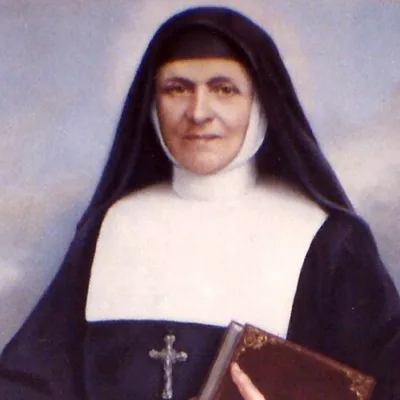
Blessed Bolesława Lament
Foundress of the Missionary Sisters of the Holy Family
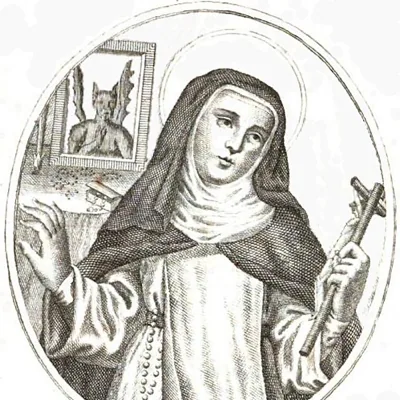
Blessed Villana de’ Botti
Dominican penitent of Florence
Saint Aphraates of Antioch
Anchorite
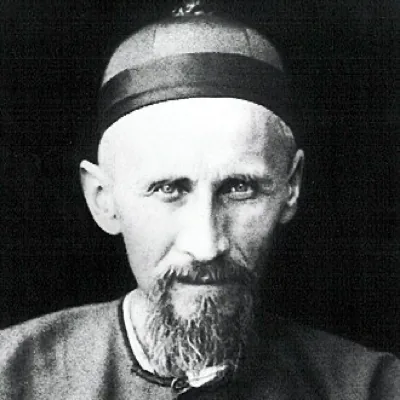
Saint Joseph Freinademetz
Missionary of the Divine Word, apostle of Shandong
Saint Valerius of Trier
Second Bishop of Trier
Saints Juventinus and Maximinus
Soldier martyrs
In the same region
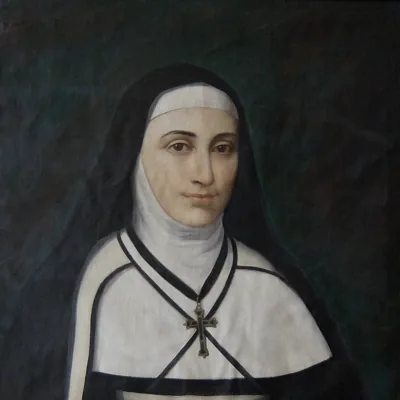
Blessed Adèle de Batz de Trenquelléon
Foundress of the Daughters of Mary Immaculate
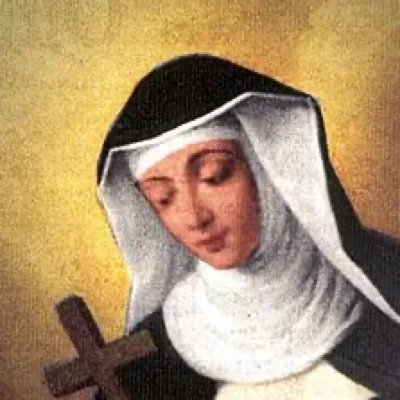
Blessed Agnes of Langeac
Dominican mystic of the Velay
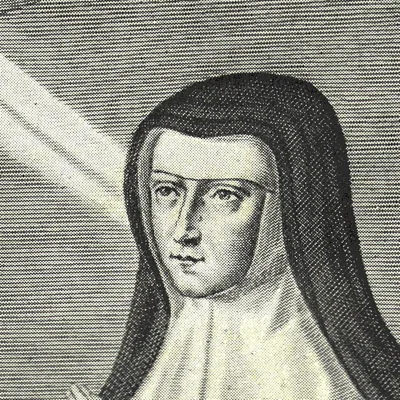
Blessed Alix Le Clerc
Foundress of the Congregation of Notre Dame