
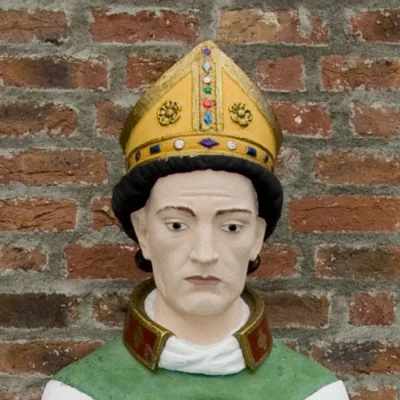
Augustinus Nidrosiensis
Saint Eystein Erlendsson
Archbishop of Nidaros, builder of the cathedral
Trained at Saint-Victor in Paris, Archbishop of Nidaros from 1161 to 1188, he anchored the Church of Norway in the Roman reform, crowned the first crowned king of the country and launched the great Gothic cathedral over the tomb of Saint Olaf.
Born into the nobility of Trøndelag, Eystein (Øystein) Erlendsson studied with the canons of Saint-Victor, in Paris, then served as chaplain and treasurer to King Inge. At the death of Archbishop Jon Birgersson in 1157, the king designated him for the see of Nidaros; he received the pallium from Pope Alexander III in 1161, took the Latin name Augustine and introduced the canons regular of Saint Augustine into Norway. It was he who consecrated Saint Thorlak, Bishop of Skálholt.
An ally of the jarl Erling Skakke, in 1163 he had adopted a law of succession reserving the crown to the king's legitimate son and crowned the young Magnus Erlingsson, the first royal coronation in Norwegian history. He wrote the Passio Olavi, a Latin account of the life and miracles of Saint Olaf, and made Nidaros a European shrine: the impetus of the Gothic cathedral, with the transept and the octagon that houses the shrine of the martyr king, is owed to him.
The conflict with King Sverre, an excommunicated usurper, forced him into exile in England from 1180 to 1183, where he stayed notably at the abbey of Bury St Edmunds. Having returned to his diocese after a reconciliation, he died at Nidaros on 26 January 1188. A Norwegian synod proclaimed him a saint in 1229; without formal process, his cult was received by Rome, which entered him in the Roman Martyrology: "At Nidaros, in Norway, Saint Augustine (Eystein) Erlendsson, bishop, who defended against princes the Church entrusted to his care and built it up with the greatest zeal."
Celebrated on the same day
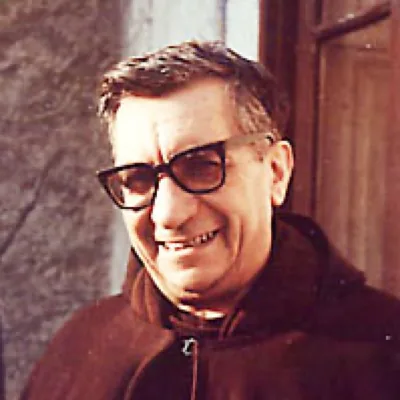
Blessed Gabriel Allegra
Franciscan, translator of the Bible into Chinese
Saint Alberic of Cîteaux
Second abbot of Cîteaux
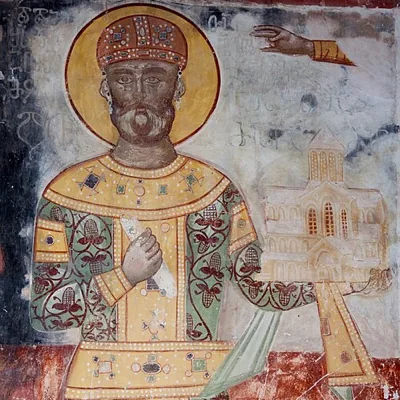
Saint David IV the Builder
King of Georgia
Saint Theogenes of Hippo
Martyr of Hippo
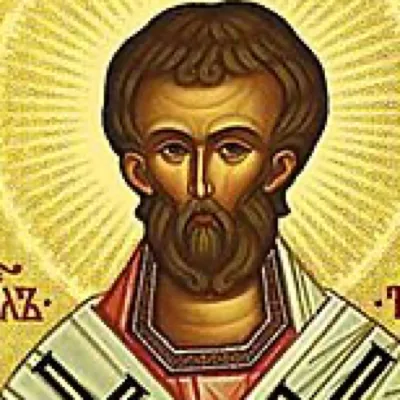
Saint Timothy
Disciple of Saint Paul, Bishop of Ephesus
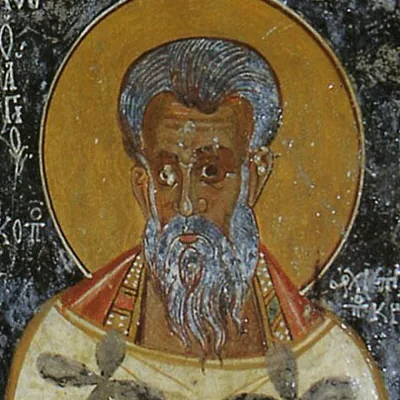
Saint Titus
Disciple of Saint Paul, Bishop of Crete
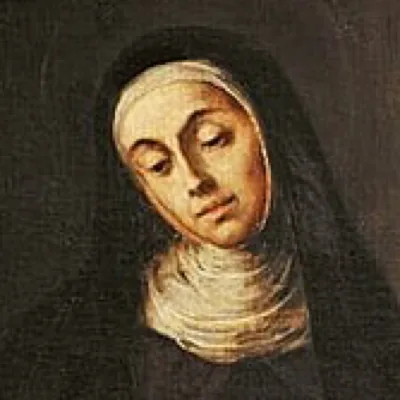
Saint Paula
Roman widow, foundress of the monasteries of Bethlehem
In the same region
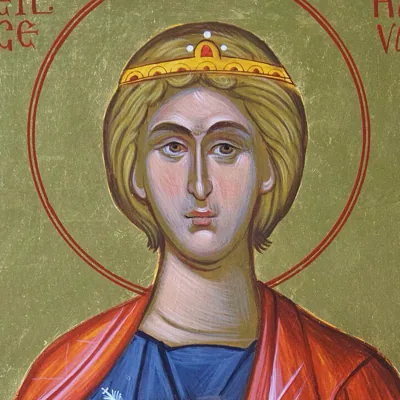
Saint Hallvard
Martyr, patron of Oslo
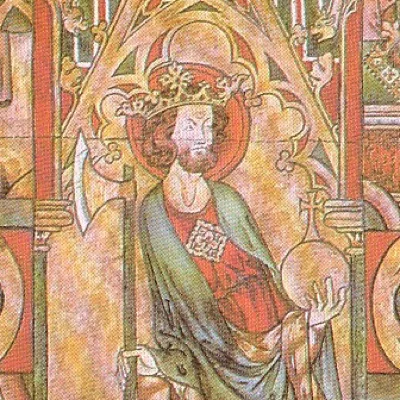
Saint Olaf of Norway
King of Norway and martyr, ‘eternal king of Norway’
Saint Thorfinn of Hamar
Bishop of Hamar, exiled for the liberty of the Church