
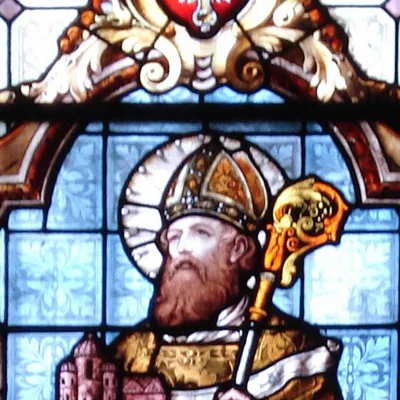
Chancellor to Charles Martel who became Bishop of Metz and founded the abbey of Gorze, he gave the canons their first rule of common life and introduced the liturgy and chant of Rome into Gaul.
Born in the early eighth century in Hesbaye, in present-day Belgium, of a noble Frankish family related to the Pippinids, Chrodegang was educated at the abbey of Saint-Trond and then at Metz. He became referendary and then chancellor to Charles Martel, an office he kept under Pepin the Short. Ordained Bishop of Metz on 1 October 742, he remained active in the affairs of the kingdom: in 753 Pepin sent him to meet Pope Stephen II, who was threatened by the Lombards, and he escorted him to Gaul.
After the death of Saint Boniface, the pope conferred the pallium on him, making him an archbishop and legate of the Holy See to the Franks. Around 748–749 he founded the abbey of Gorze, near Metz, and supported those of Gengenbach and Lorsch. Around 755 he drew up for the clergy of his cathedral a rule in thirty-four chapters inspired by Saint Benedict, the Regula canonicorum: the canons lived in common while serving the faithful. Partly taken up at the Council of Aachen in 816, it spread throughout the West.
He introduced the Roman liturgy and the chant that came from Rome to Metz, the origin of the famous Metz school of chant, and in 762, at the synod of Attigny, he founded an association of prayer between bishops and abbots. He obtained the relics of Saint Nazarius for Lorsch and those of Saint Gorgonius for Gorze. He died at Metz on 6 March 766 and was buried in the abbey of Gorze; an important relic is kept in Metz Cathedral. Paul the Deacon, at the end of the eighth century, devoted a laudatory notice to him in his history of the bishops of Metz.
Celebrated on the same day
The Forty-Two Martyrs of Amorium
Byzantine officers, martyrs
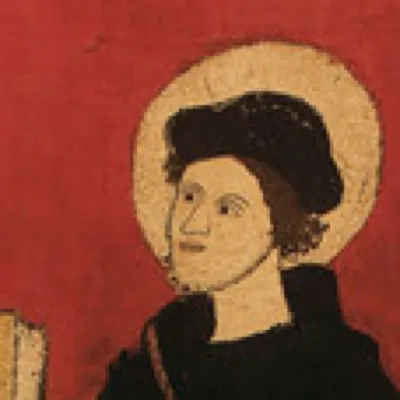
Saint Fridolin of Säckingen
Missionary monk, apostle of the Upper Rhine
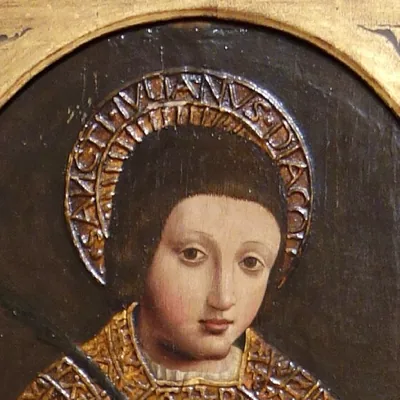
Saint Julian of Toledo
Archbishop of Toledo, theologian
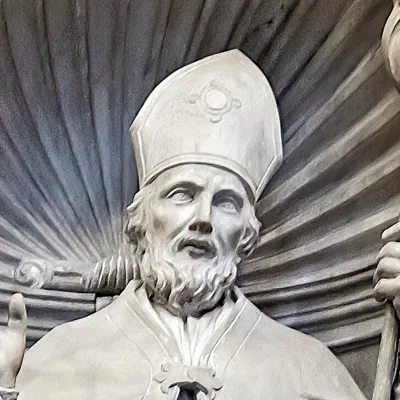
Saint Oleguer of Barcelona
Bishop of Barcelona, archbishop of Tarragona
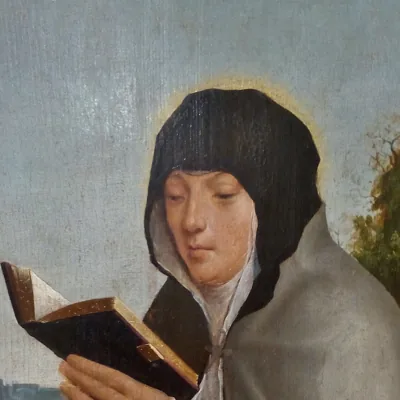
Saint Colette of Corbie
Reformer of the Poor Clares
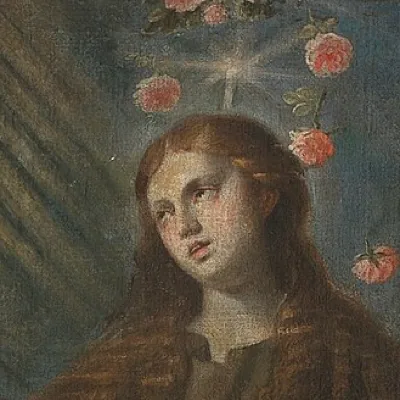
Saint Rose of Viterbo
Virgin, Franciscan tertiary
Servant of God Peter Porekuu Dery
Cardinal, Archbishop of Tamale
In the same region
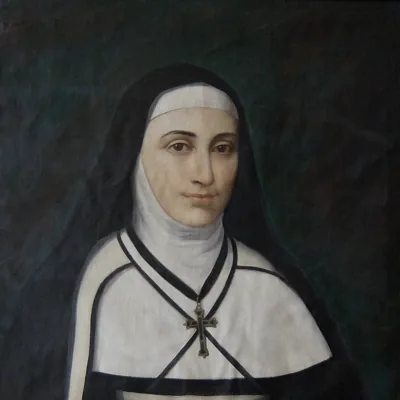
Blessed Adèle de Batz de Trenquelléon
Foundress of the Daughters of Mary Immaculate
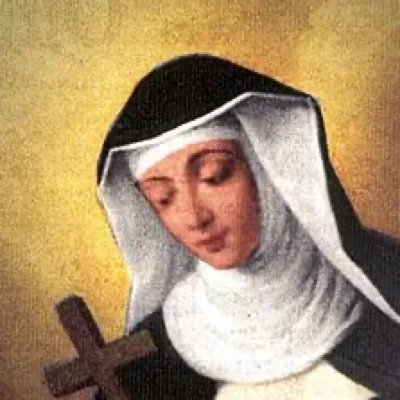
Blessed Agnes of Langeac
Dominican mystic of the Velay
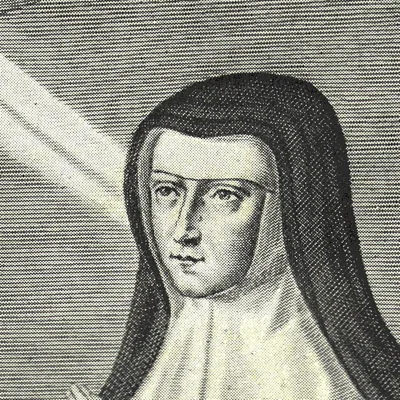
Blessed Alix Le Clerc
Foundress of the Congregation of Notre Dame