
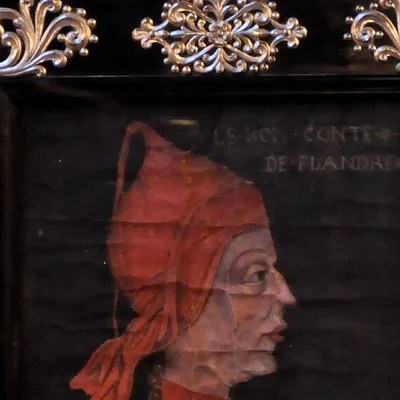
The son of the holy King Cnut of Denmark, Count of Flanders from 1119 to 1127 and a defender of the poor during the famine, he was assassinated at prayer in the church of Saint Donatian in Bruges.
Born around 1084, Charles was the son of King Cnut IV of Denmark, honoured as a saint, and of Adela of Flanders. After the murder of his father in 1086, he was brought up at the court of his grandfather, Count Robert I of Flanders; he went on pilgrimage to the Holy Land and fought at the side of his cousin, Count Baldwin VII, who named him heir. Count of Flanders in 1119, he made himself the guardian of justice and public peace.
During the famine of 1124–1125 he distributed bread, forbade the brewing of beer to preserve grain and fought speculators. In seeking to have the servile status of the Erembalds, a powerful clan of Bruges, recognised, he drew down their hatred: on 2 March 1127 he was assassinated while praying in the church of Saint Donatian. The notary Galbert of Bruges left a famous account of these events. Leo XIII confirmed his cult in 1882; his relics are venerated in the cathedral of Saint Saviour in Bruges.
Celebrated on the same day
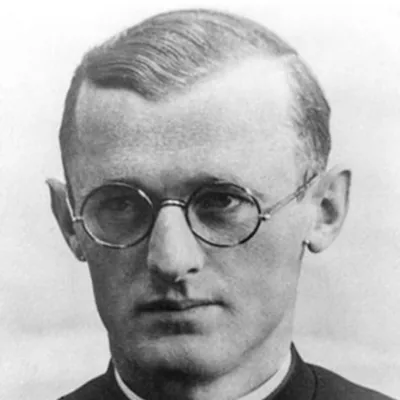
Blessed Engelmar Unzeitig
The “Angel of Dachau”
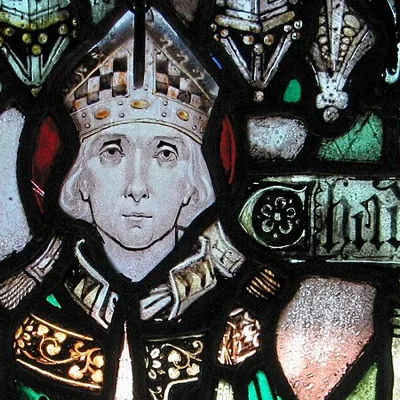
Saint Chad
Bishop of the Mercians at Lichfield
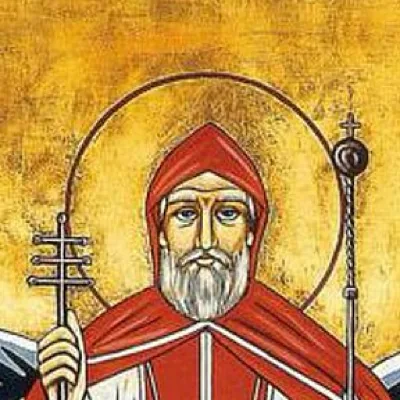
Saint John Maron
First Maronite Patriarch of Antioch
Saint Nicholas Owen
Jesuit brother, builder of priest-holes
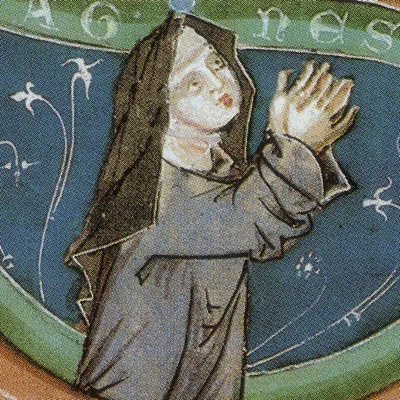
Saint Agnes of Bohemia
Princess who became a Poor Clare

Servant of God Shahbaz Bhatti
Minister for Minorities, assassinated for his defence of the Christians of Pakistan
In the same region
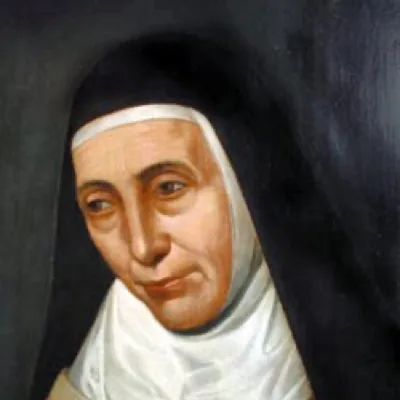
Blessed Anne of St Bartholomew
Companion of St Teresa, protector of Antwerp
Blessed Émilie d'Oultremont
Mother Marie de Jésus, foundress of Marie-Réparatrice
Blessed Eve of Liège
Recluse of Saint Martin, promoter of the feast of Corpus Christi