
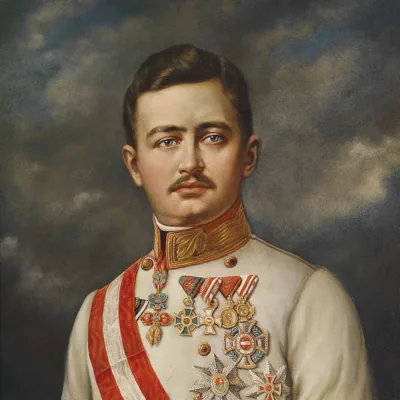
The last sovereign of the House of Austria, who came to the throne in the midst of war, sought peace, refused to abdicate out of fidelity to his mission and died poor in exile on Madeira.
Born on 17 August 1887 at the castle of Persenbeug, great-nephew of Franz Joseph, Charles married in 1911 Princess Zita of Bourbon-Parma, by whom he would have eight children. Having become heir to the throne after the assassination of Archduke Franz Ferdinand at Sarajevo, he succeeded the emperor in November 1916, in the midst of the world war.
He at once tried to end the conflict, notably through the secret negotiations conducted in 1917 by his brothers-in-law Sixtus and Xavier of Bourbon-Parma, and supported the calls for peace of Benedict XV; in June 1917 he created a Ministry of Social Affairs and had the working hours of women and children limited. In November 1918 he renounced taking part in affairs of state without abdicating. Exiled in Switzerland, he failed in 1921 to regain the throne of Hungary and was relegated by the Allies to Madeira.
Ill and destitute, he died of pneumonia at Funchal on 1 April 1922, at 34, offering his sufferings for his peoples. He rests in the church of Nossa Senhora do Monte, at Funchal. John Paul II beatified him in Rome on 3 October 2004.
Celebrated on the same day
Blessed Genaro Fueyo Castañón and Companions
Martyrs of Nembra
Blessed Pino Puglisi
Parish priest of Brancaccio, martyr of the Mafia
Saint Gaspar del Bufalo
Founder of the Missionaries of the Precious Blood
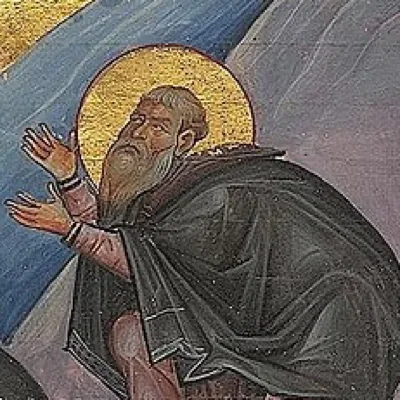
Saint Hilarion
Hermit, father of Palestinian monasticism
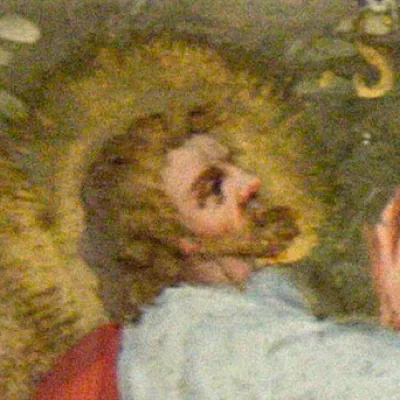
Saint Malchus
Captive monk, whose story was told by Saint Jerome
Saint Severinus of Bordeaux
Bishop of Bordeaux
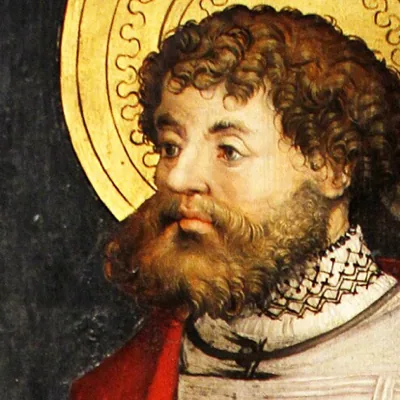
Saint Wendelin
Hermit and shepherd, patron of the countryside
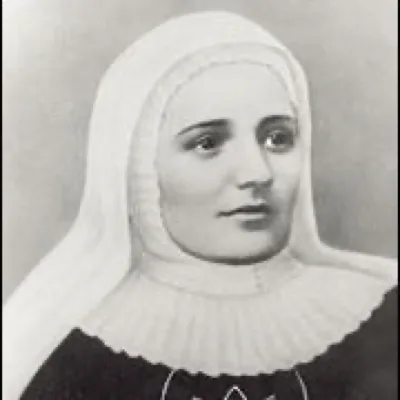
Saint Laura Montoya
Missionary to the Indigenous peoples of Colombia
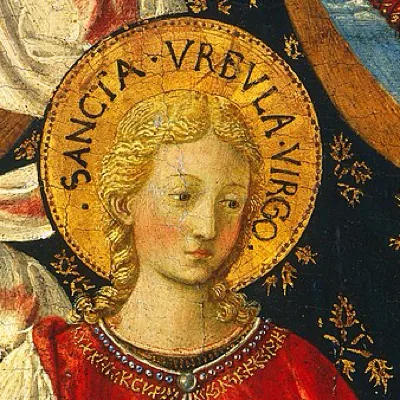
Saint Ursula and Companions
Virgin martyrs of Cologne
In the same region
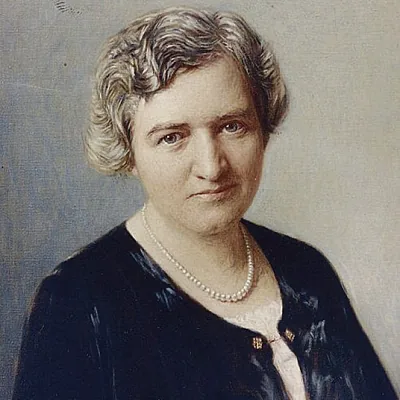
Blessed Hildegard Burjan
Politician, founder of Caritas Socialis
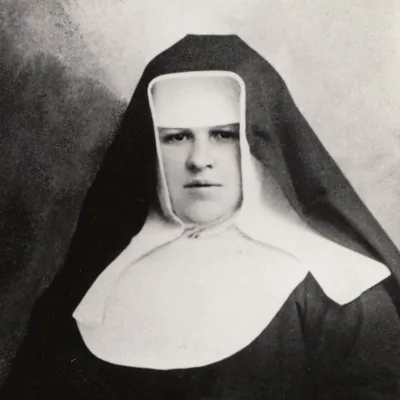
Blessed Maria Restituta Kafka
Franciscan nurse, martyr
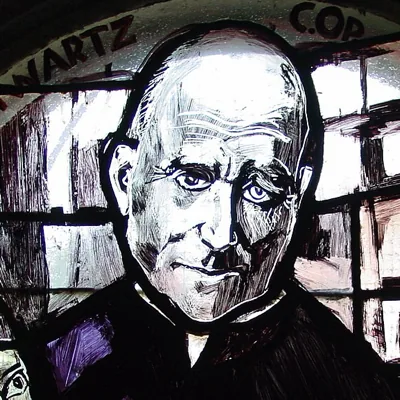
Blessed Anton Maria Schwartz
Apostle of the workers of Vienna, founder of the Calasanctians