
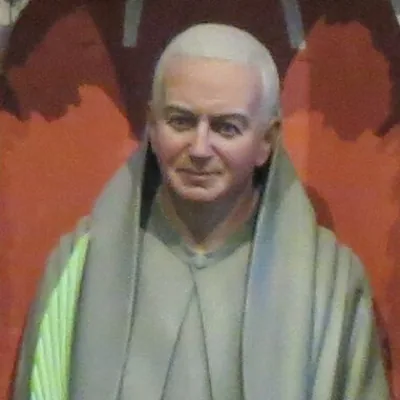
A convert from Suffolk of explosive temperament, a monk of Dieulouard and of Saint-Edmund’s in Paris, he spent seventeen years in the Fleet prison, converting his visitors, before being hanged at Tyburn.
Born in 1583 in Suffolk and brought up a Protestant, Bartholomew Roe was converted after trying, in vain, to make an imprisoned Catholic abjure. Having entered the English College at Douai in 1607, he was dismissed in 1610 for his disregard of discipline. He then joined the English Benedictine priory of Saint Laurence at Dieulouard, in Lorraine (the present Ampleforth Abbey), was ordained in 1615 and became a founding member of the priory of Saint Edmund in Paris, whence his name of Alban of Saint Edmund.
Sent on a mission to London, he was arrested and banished, returned in 1618 and remained in prison until 1623, then was exiled again. Returning two years later, he spent seventeen years in the Fleet prison, whose lax regime allowed him to exercise his ministry by day; he translated devotional works, made many converts and played cards in the taverns, the stake being short prayers.
Transferred to Newgate in 1641 and condemned as a priest, he was taken to Tyburn on 21 January 1642 with the priest Thomas Reynolds. There he preached with humour and asked the sheriff whether his life would be spared if he became a Protestant; on his affirmative reply, he called the crowd to witness that his religion was his only treason. Beatified in 1929, he was canonised by Paul VI in 1970.
Celebrated on the same day
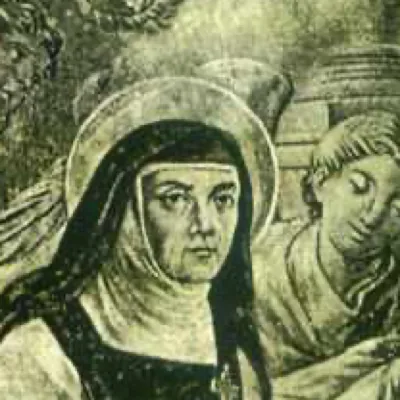
Blessed Inés de Benigànim
Discalced Augustinian, mystic
Blessed Jean-Baptiste Turpin du Cormier and Companions
Martyrs of Laval
Saint Epiphanius of Pavia
Bishop of Pavia, peacemaker of kings
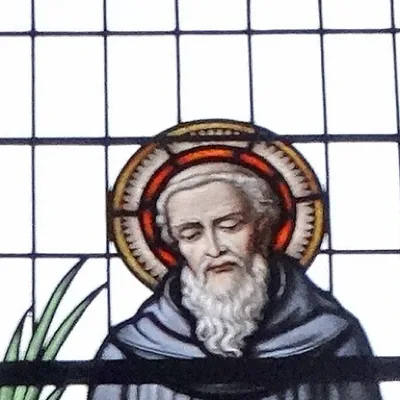
Saint Meinrad of Einsiedeln
Hermit and martyr of the “Dark Forest”
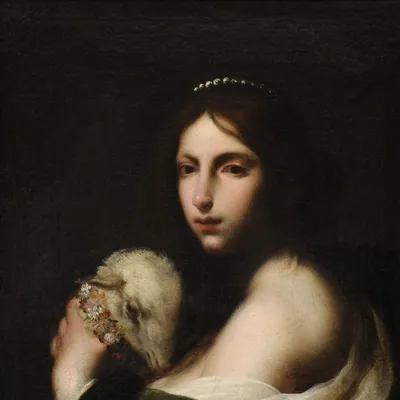
Saint Agnes
Virgin and martyr of Rome
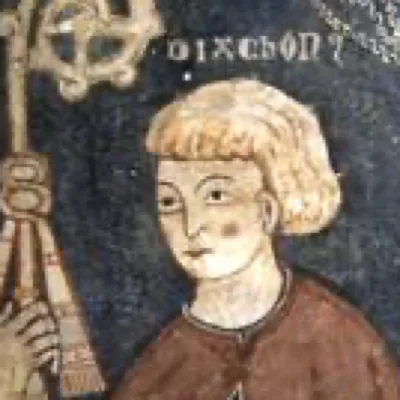
Saints Fructuosus, Augurius and Eulogius
Bishop of Tarragona and his two deacons, martyrs
In the same region
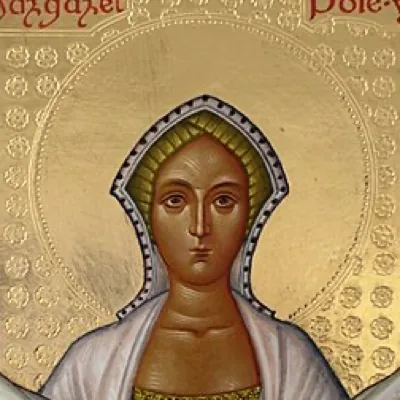
Blessed Margaret Pole
Countess of Salisbury, martyr
Blessed Adrian Fortescue
Knight of Malta, Dominican tertiary, martyr
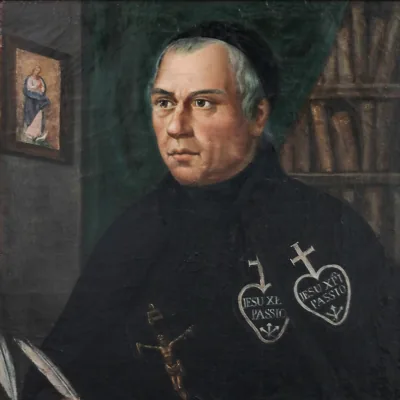
Blessed Dominic Barberi
Passionist, apostle of England