
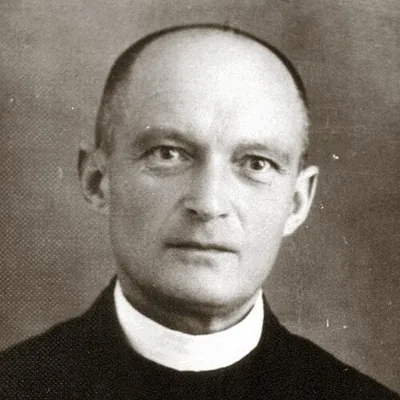
A Polish priest who, after the Soviet camps, chose to stay at Karaganda to serve clandestinely the Catholic deportees of Central Asia.
Born at Berdychiv, in Ukraine, into a Polish family, Władysław Bukowiński was ordained priest at Kraków in 1931 and then exercised his ministry in the diocese of Lutsk. Arrested by the NKVD in 1940, he narrowly escaped the massacre of the prisoners in June 1941, then hid Jewish children under the German occupation. Arrested again in 1945 with his bishop, he was sentenced to ten years of forced labour, which he served in the camps of Chelyabinsk and Bakal and then in the copper mine of Zhezkazgan, in Kazakhstan.
Released in 1954 but obliged to reside at Karaganda, he refused to return to Poland and in 1955 took Soviet nationality in order to remain with the Polish, German and Ukrainian deportees. He celebrated Mass in secret in houses, curtains drawn, and visited scattered Catholics, which earned him a new sentence in 1958. He died at Karaganda on 3 December 1974; he was beatified in the cathedral of Our Lady of Fatima at Karaganda on 11 September 2016.
Celebrated on the same day
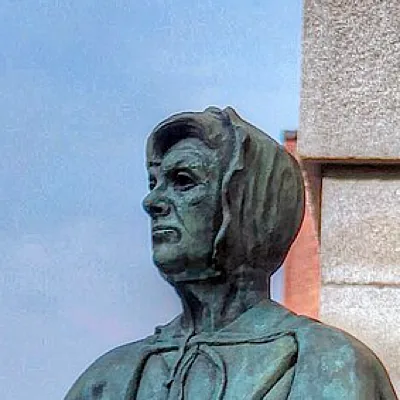
Blessed Margaret Ball
Former Lady Mayoress of Dublin, who died in prison
Blessed Conor O’Devany
Franciscan Bishop of Down and Connor, martyr
Blessed Dermot O’Hurley
Archbishop of Cashel, martyr
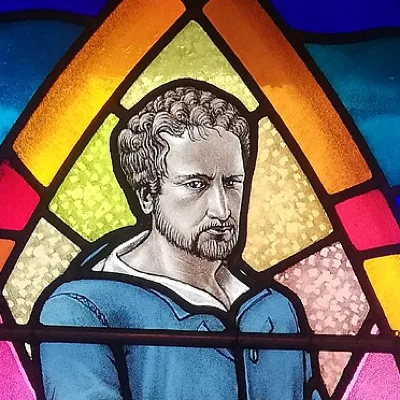
Blessed Dominic Collins
Jesuit brother, martyr of Youghal
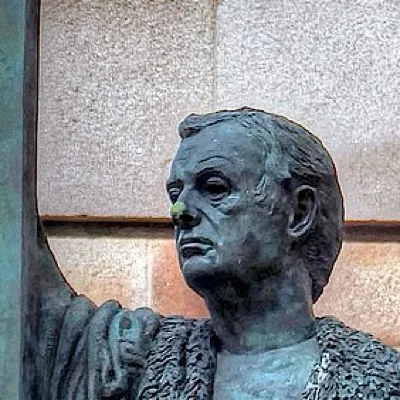
Blessed Francis Taylor
Mayor of Dublin, died in prison
Blessed John Kearney
Franciscan of Cashel, martyr
Blessed Martyrs of Ireland
Dermot O’Hurley and his sixteen companions
Blessed Maurice MacKenraghty
Priest martyr of Clonmel
Blessed Patrick O’Healy
Bishop of Mayo, martyr
Blessed Peter Higgins
Dominican, prior of Naas, martyr
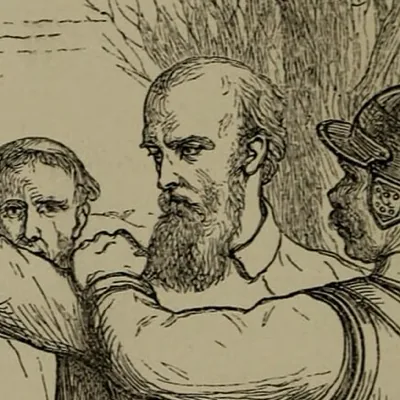
Blessed Terence Albert O’Brien
Dominican bishop of Emly, martyr
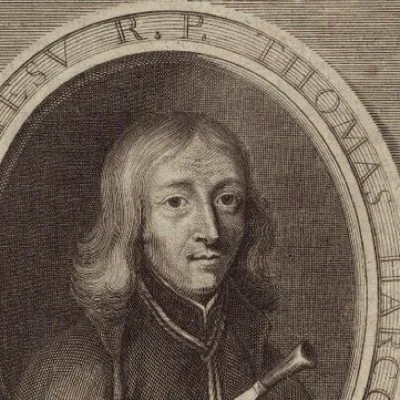
Blessed Thomas Whitbread
Provincial of the English Jesuits, martyr of the Popish Plot
Blessed William Tirry
Augustinian of Cork, martyr
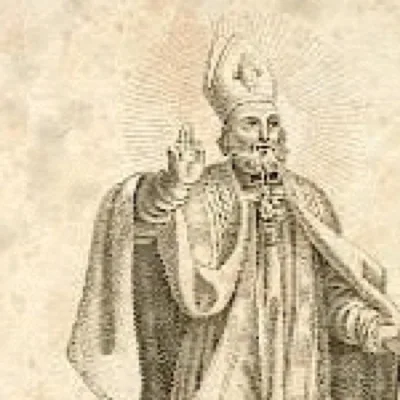
Saint Adalbert of Magdeburg
Missionary to Rus’, first Archbishop of Magdeburg
Saint John of Matera
Abbot, founder of Pulsano
Saint Methodius of Olympus
Bishop of Olympus, Father of the Church and martyr
Saints Julius and Aaron
Martyrs of Caerleon
In the same region
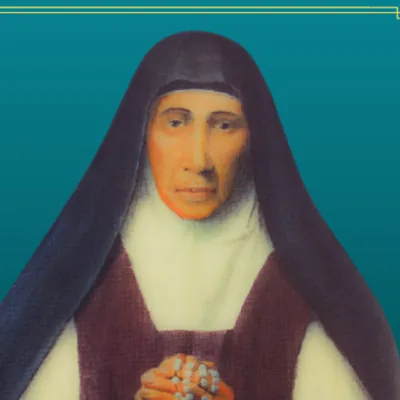
Blessed Eliswa Vakayil
Widow, foundress of the first Indian Carmelites
Blessed Isabel Fernandez
Widow of Domingos Jorge, martyr with her son Ignatius
Blessed Lucy de Freitas
Japanese widow, Franciscan tertiary, burned alive at eighty