
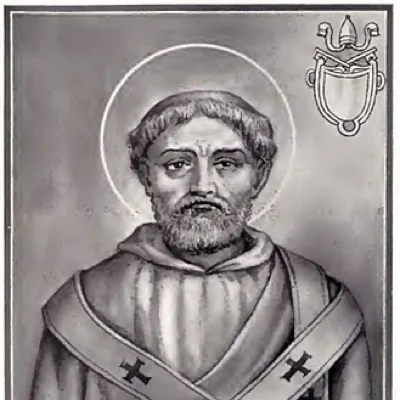
Fourteenth Bishop of Rome, coming from Africa, Victor wished to impose on all the Churches the celebration of Easter on Sunday and threatened to break with the communities of Asia, before Saint Irenaeus urged him to moderation.
Victor governed the Church of Rome from about 189 to 199. The Liber Pontificalis calls him an African, and Saint Jerome counts him, with Apollonius, among the first Christian writers in Latin, before Tertullian (On Illustrious Men, 34 and 53). His pontificate was dominated by the question of the date of Easter, which the Churches of Asia celebrated on the 14th of the Jewish month of Nisan, whatever the day of the week. At his request, Eusebius relates (Ecclesiastical History, V, 23–24), synods held in Palestine, Pontus, Gaul and elsewhere pronounced for Sunday.
Polycrates, Bishop of Ephesus, defended the Asian custom inherited, he said, from the apostles John and Philip. Victor then undertook to cut off the Churches of Asia from communion, but several bishops reproached him for it, foremost among them Saint Irenaeus of Lyon, who reminded him that his predecessors had kept the peace despite this difference. Eusebius also reports that he excommunicated Theodotus the tanner, who saw in Jesus only a man. Another source, the Refutation of All Heresies, shows Victor handing to the Empress Marcia the list of Christians condemned to the mines of Sardinia, whom Commodus had released.
The Liber Pontificalis places his burial at the Vatican, near Saint Peter. Medieval tradition honoured him as a martyr, but no early source attests this: the Roman Martyrology of 2004 commemorates him on 28 July as pope, recalling that he fixed the celebration of Easter on Sunday.
Celebrated on the same day
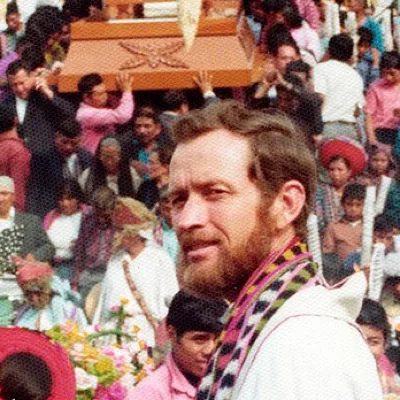
Blessed Stanley Rother
Priest of Oklahoma, martyr in Guatemala
Saint Botvid
Lay missionary, apostle of Södermanland
Saint Melchor García Sampedro
Dominican bishop, martyr in Tonkin
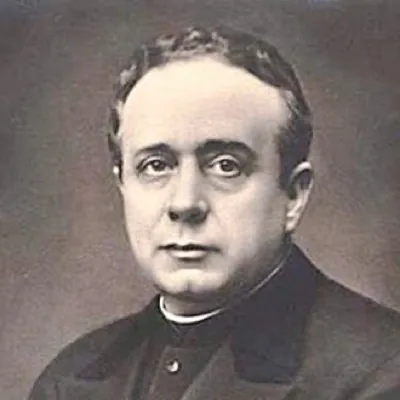
Saint Pedro Poveda
Founder of the Teresian Institution, martyr
Saint Samson of Dol
Bishop-abbot of Dol
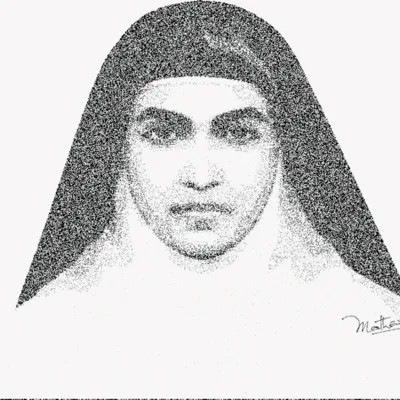
Saint Alphonsa of the Immaculate Conception
Franciscan Clarist of Bharananganam
Saint Catherine Thomas
The “beateta” of Majorca
Holy Martyrs of the Thebaid
Martyrs of Upper Egypt
Saints Nazarius and Celsus
Martyrs of Milan
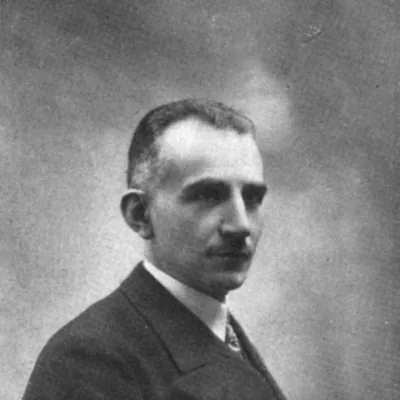
Servant of God Ángel Herrera Oria
Journalist, founder of the ACdP, Bishop of Málaga and cardinal
In the same region
Blessed Angelina of Marsciano
Foundress of the Franciscan Sisters of the Third Order Regular
Blessed Anna Rosa Gattorno
Widow, foundress of the Daughters of St Anne
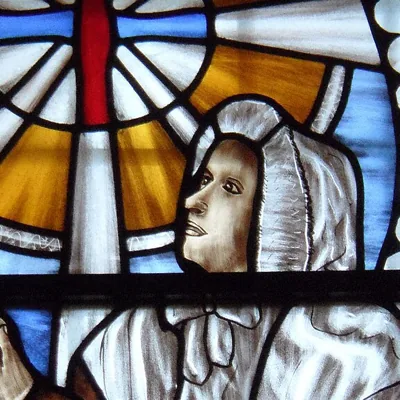
Blessed Anna Maria Taigi
Mother of a family and Roman mystic