
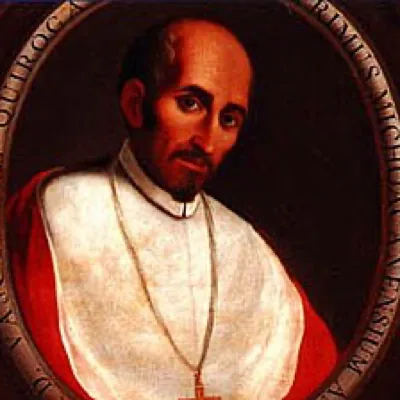
A Castilian jurist who became the first Bishop of Michoacán, he founded the hospital-villages of Santa Fe and gave each Purépecha village its trade; the Indians still call him “Tata Vasco”.
Born around 1470 at Madrigal de las Altas Torres, in Castile, Vasco de Quiroga was a jurist trained in canon law, in the service of the Crown. In 1531 he arrived in Mexico City as oidor, judge of the second Audiencia charged with repairing the abuses of the first. From 1532 he founded at his own expense near Mexico City the hospital-village of Santa Fe, where the Indians lived in community, learned trades and cared for their sick, then a second on the shore of Lake Pátzcuaro.
Sent as visitor to Michoacán, ravaged by the exactions of Nuño de Guzmán, he won the trust of the Purépechas without recourse to arms. Proposed by Charles V as first bishop of the new diocese, this layman was ordained priest and then consecrated bishop by Juan de Zumárraga. He established his see at Pátzcuaro, founded there in 1540 the College of Saint Nicholas to train priests who knew the indigenous languages, and drew up for his hospitals ordinances in which the influence of Thomas More’s Utopia can be recognised.
During nearly thirty years of episcopate he encouraged the craft specialisation of the villages — copper at Santa Clara, guitars at Paracho, lacquerware at Uruapan — and travelled his immense diocese to a very advanced age. He died on 14 March 1565 at Pátzcuaro, according to the Holy See (one tradition has him die on a pastoral visit at Uruapan), and rests there. Pope Francis, who had celebrated at Morelia in 2016 with his crozier and chalice, declared him venerable on 22 December 2020.
Celebrated on the same day
Blessed Eve of Liège
Recluse of Saint Martin, promoter of the feast of Corpus Christi
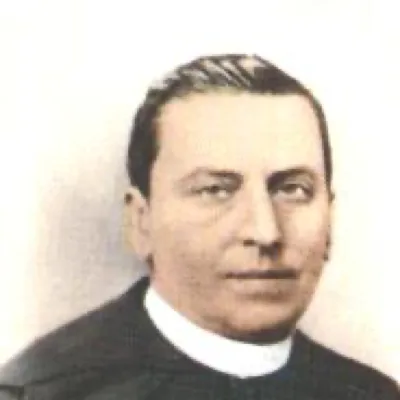
Blessed Giacomo Cusmano
Doctor of the poor, founder of the “Boccone del Povero”
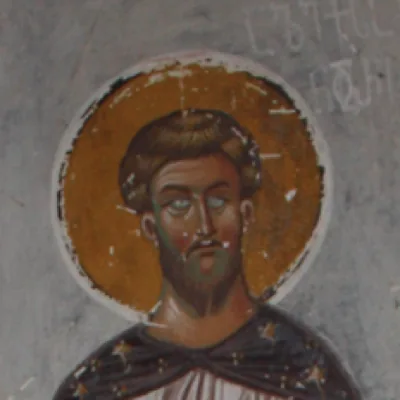
Saint Alexander of Pydna
Martyr
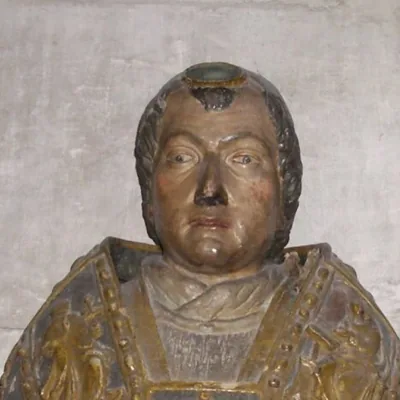
Saint Lubin of Chartres
Monk and bishop of Chartres
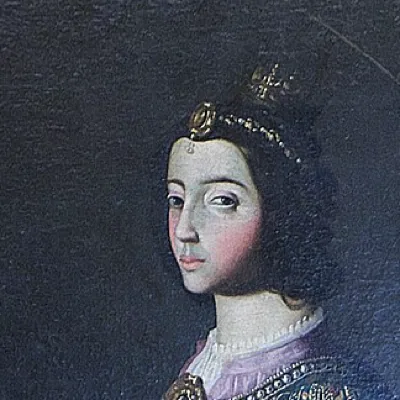
Saint Matilda
Queen of Germany, mother of Otto the Great
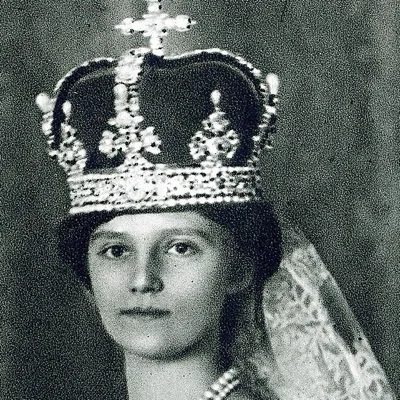
Servant of God Zita of Bourbon-Parma
Last Empress of Austria and Queen of Hungary
In the same region
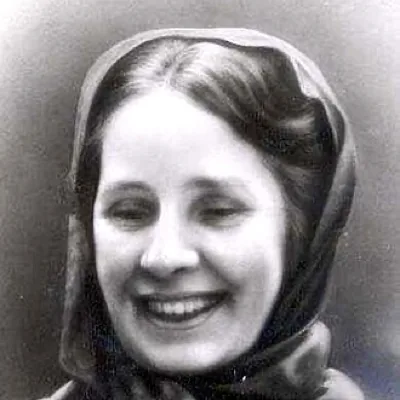
Blessed Concepción Cabrera de Armida
Conchita, mother of a family and mystic
Blessed Dina Bélanger
Pianist and mystic of Jesus and Mary
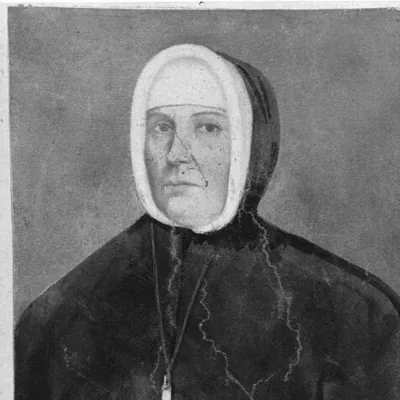
Blessed Émilie Tavernier-Gamelin
Foundress of the Sisters of Providence