
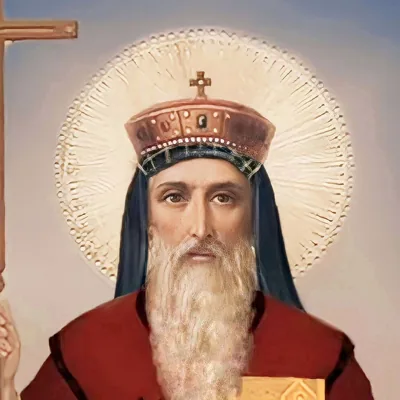
Head of the Church of Persia, beheaded on a Good Friday with a hundred or so clerics for refusing to deny Christ: his martyrdom opened the great persecution of Shapur II.
Son of a dyer, as his surname indicates, Simeon became around 316 coadjutor of Papa bar Aggai, bishop of Seleucia-Ctesiphon, the capital of the Sasanians, and then his successor at the head of the Church of Persia. When Shapur II went to war against the Roman Empire, now Christian, he regarded the Christians of his kingdom as allies of the enemy and demanded of their leader that he levy a double tax on them; Simeon refused.
Arrested, he was taken to Karka de Ledan, the royal residence of Beth Huzaye, near ancient Susa. He refused to worship the sun; the eunuch Guhashtazad, a former tutor of the king who had apostatised, returned to the faith on seeing him pass and died a martyr before him. Simeon was beheaded on Good Friday, in 341 or 344 according to historians, after seeing a hundred or so bishops, priests and deacons executed. The Acts of the Persian Martyrs preserve the memory of this persecution, which lasted almost forty years.
Celebrated on the same day
Blessed Clare Gambacorta
Dominican prioress of Pisa, disciple of Catherine of Siena
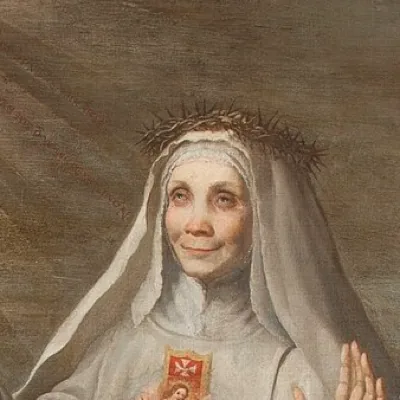
Blessed Mariana de Jesús Navarro
Mercedarian recluse, patroness of Madrid
Blessed Henry Heath
Franciscan, martyr at Tyburn
Blessed Lucien Botovasoa
Schoolteacher, secular Franciscan and martyr
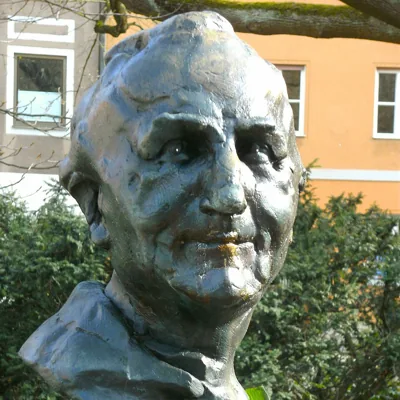
Blessed Max Josef Metzger
Priest of peace and of Christian unity
Saint Acacius of Melitene
Bishop of Melitene
Saint Donnan of Eigg and his Companions
Abbot of Eigg and his monks, martyrs
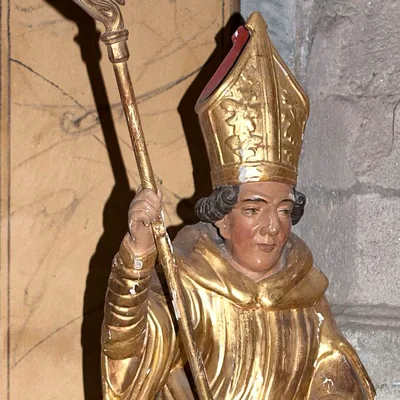
Saint Robert of La Chaise-Dieu
Founder of La Chaise-Dieu
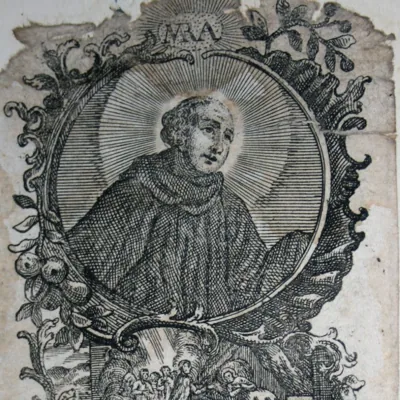
Saint Robert of Molesme
Founder of Molesme and of Cîteaux
Saint Kateri Tekakwitha
The Lily of the Mohawks
In the same region
Saint Barbashmin
Catholicos of Seleucia-Ctesiphon, martyr
Saint Benjamin
Deacon, martyr in Persia
Saint Ghevond and Companions
Priest martyrs of Nishapur (the Ghevondiank)