
A young Christian of Carales, present-day Cagliari, put to death around 304 for refusing to take part in pagan sacrifices; the basilica built over his tomb is among the oldest churches in Sardinia.
According to his Passion, written long after the events, Saturninus was crossing the city during a sacrifice in honour of the gods; recognised as a Christian, he refused to take part and was put to death, beheaded according to the most widespread tradition, during the persecution of Diocletian. The date of 304 and his youth belong to tradition, with no contemporary document.
The antiquity of his cult, on the other hand, is well attested: at the beginning of the sixth century the African bishop Fulgentius of Ruspe, exiled in Sardinia, founded a monastery near the martyr’s basilica, built in the Christian necropolis. Entrusted in 1089 to the monks of Saint-Victor of Marseille, rebuilt and reconsecrated in 1119, the basilica of San Saturnino retains its dome and part of its Greek-cross plan. In 1621 excavations in the necropolis brought to light remains attributed to the martyr, which have since been venerated in the cathedral of Cagliari. Principal patron of the city, he is celebrated there every 30 October.
Celebrated on the same day
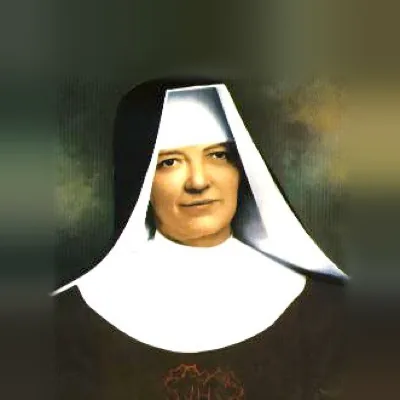
Blessed Maria Teresa Tauscher
Foundress of the Carmelites of the Divine Heart of Jesus
Blessed Oleksa Zarytsky
Greek-Catholic priest, martyr of the Gulag
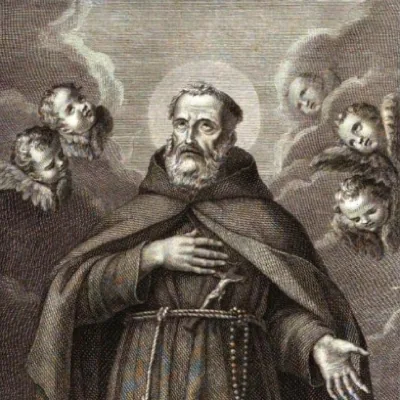
Saint Angelo of Acri
Capuchin, popular missionary of Calabria
Saint Gerard of Potenza
Bishop of Potenza
Saint Germanus of Capua
Bishop of Capua, papal legate to Constantinople
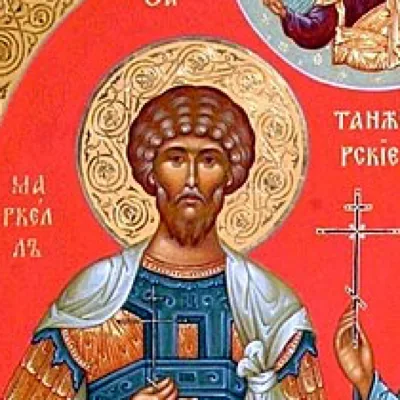
Saint Marcellus the Centurion
Centurion and martyr
Saint Serapion of Antioch
Bishop of Antioch
Saints Claudius, Lupercus and Victorius
Martyrs of León
Servant of God João de Deus Kamtedza
Mozambican Jesuit, martyr of Chapotera
Servant of God Sílvio Moreira
Portuguese Jesuit, martyr of Chapotera
In the same region
Blessed Angelina of Marsciano
Foundress of the Franciscan Sisters of the Third Order Regular
Blessed Anna Rosa Gattorno
Widow, foundress of the Daughters of St Anne
Blessed Anna Maria Taigi
Mother of a family and Roman mystic