
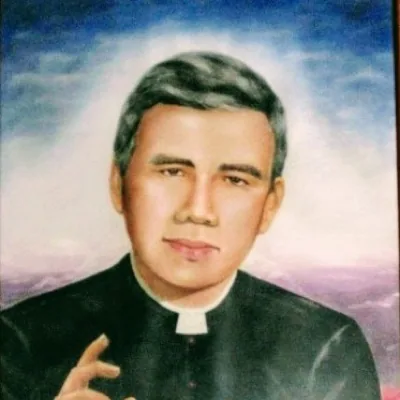
A Salvadoran Jesuit, a trainer of seminarians who became a priest to peasants, he formed “delegates of the Word” and denounced injustice; his assassination made Óscar Romero the defender of the poor.
Born on 5 July 1928 at El Paisnal, north of San Salvador, Rutilio Grande lost his mother at four and was brought up by a very pious grandmother. Having entered the seminary in 1941, he became a Jesuit, then a formator at the San José de la Montaña seminary and rector of the Externado San José. In 1967 began his friendship with Óscar Romero, whose master of ceremonies he was at his episcopal ordination in 1970.
In 1972 he became parish priest of Aguilares, the parish of his childhood, where he founded basic ecclesial communities and trained “delegates of the Word” among the peasants of the sugar-cane plantations, which earned him the hostility of the great landowners. On 13 February 1977, in his “Apopa sermon”, he denounced the expulsion of a Colombian priest: “If Jesus crossed the border near Chalatenango, they would not let him in.” A month later, on 12 March, he was machine-gunned with two parishioners on the road to El Paisnal. His death marked a turning point for Archbishop Romero, who from then on became the voice of the poor and persecuted.
I am quite aware that very soon the Bible and the Gospel will not be allowed to cross our borders: only the covers will reach us, for all the pages are subversive — against sin, that is.
Celebrated on the same day
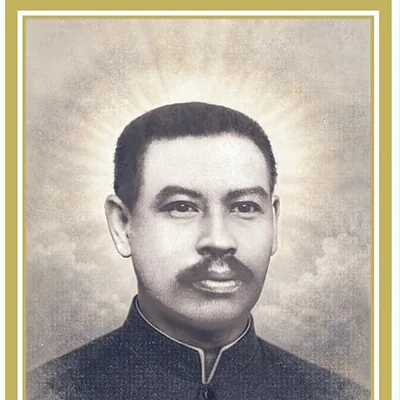
Blessed Francis Xavier Trương Bửu Diệp
Parish priest of Tắc Sậy, martyr of the Mekong Delta
Blessed Rutilio Grande and Companions
Martyrs of Aguilares
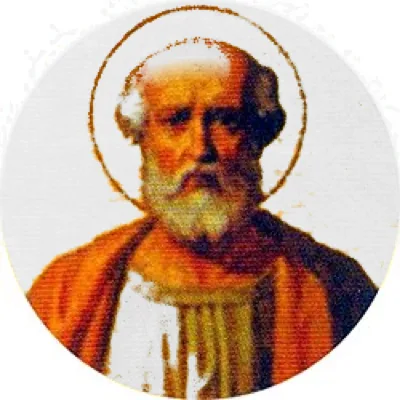
Saint Innocent I
Pope of the sack of Rome, defender of John Chrysostom
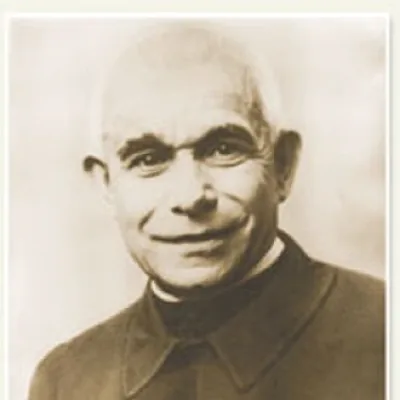
Saint Luigi Orione
Founder of the Little Work of Divine Providence
Saint Maximilian of Tebessa
Martyr, conscientious objector
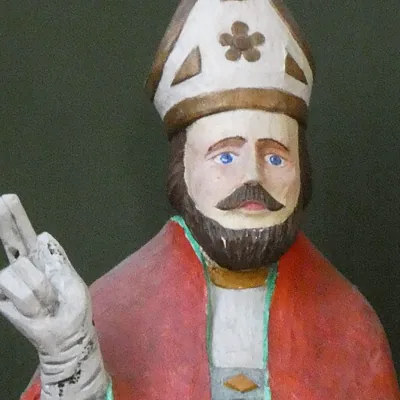
Saint Paul Aurelian
First bishop of Léon
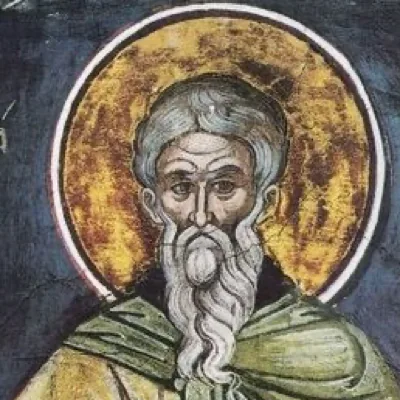
Saint Theophanes the Confessor
Monk, chronicler, confessor of the images
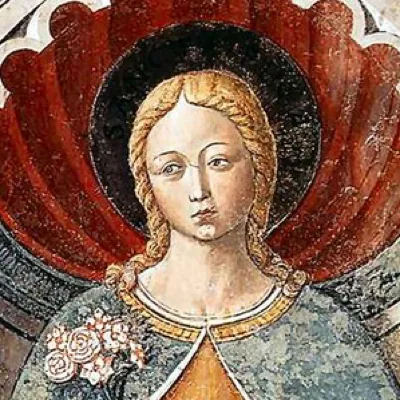
Saint Fina
Virgin, patroness of San Gimignano
Saints Peter, Dorotheus and Gorgonius
Servants of the imperial palace, martyrs
In the same region
Blessed María Encarnación Rosal
Reformer of the Bethlemites
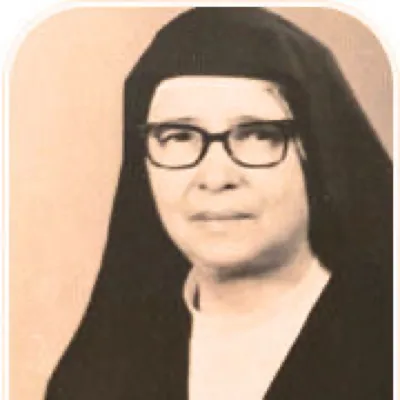
Blessed María Romero Meneses
Salesian, mother of the poor of San José
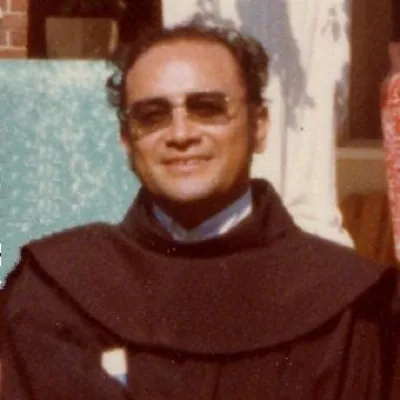
Blessed Augusto Rafael Ramírez Monasterio
Franciscan, martyr of the seal of confession