
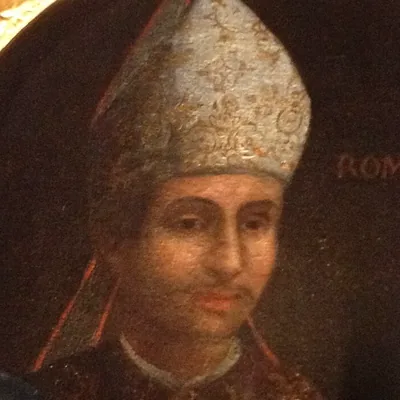
Bishop of Rouen under Clothar II and Dagobert, he fought paganism; the late legend of the Gargouille made him the popular patron of the city.
Born of an aristocratic family, probably native to the Vexin, where Wy-dit-Joli-Village venerates him as a son of the country, Romanus was brought up at the court of King Clothar II, like many young nobles destined for the offices of bishop or count. Chosen for the see of Rouen around 626, he set about destroying the pagan sanctuaries still frequented in the city and continued the evangelisation of the countryside. He died around 639; Saint Ouen succeeded him in 641.
His life is known only from late Lives, rich in miracles. The most famous legend, that of the Gargouille, appears in texts only at the end of the fourteenth century: Romanus is said to have tamed a dragon of the marshes of the Seine with the help of a condemned man. It justified the privilege of the Fierte, by which the cathedral chapter pardoned each year a condemned man who carried the saint's shrine in procession, until 1790.
Buried outside the walls in a red marble sarcophagus, Romanus had his remains recognised in 1036 by Archbishop Robert, then transferred to the cathedral around 1090, on 23 October, the date of his feast and of the Saint-Romain fair. His life is told by the windows of the cathedral and of the church of Saint-Godard, and his tomb is now placed beneath the high altar of the church of Saint-Romain at Rouen.
Celebrated on the same day
Blessed Marie-Clotilde Paillot and Companions
Martyrs of Valenciennes
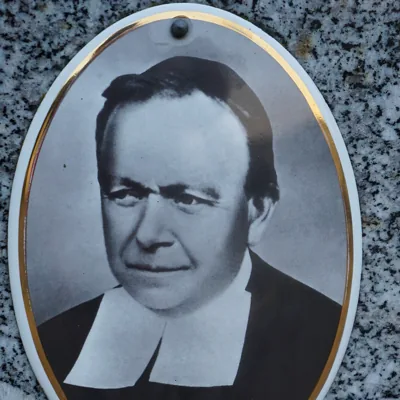
Blessed Arnold Rèche
Brother of the Christian Schools, novice master at Reims
Blessed Giovanni Angelo Porro
Servite, hermit of Monte Senario and catechist of Milan
Saint Allucius
Lay builder of hospices, peacemaker
Saint Ignatius of Constantinople
Bishop of Constantinople
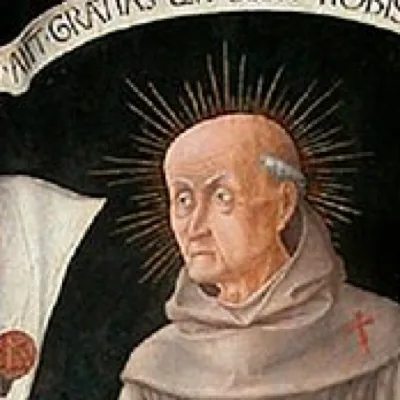
Saint John of Capistrano
Jurist turned Franciscan, preacher of central Europe
Saint Severinus Boethius
Philosopher and martyr, author of the Consolation of Philosophy

Saint Severinus of Cologne
Bishop of Cologne
Saints Servandus and Germanus
Martyrs, patrons of Cádiz
In the same region
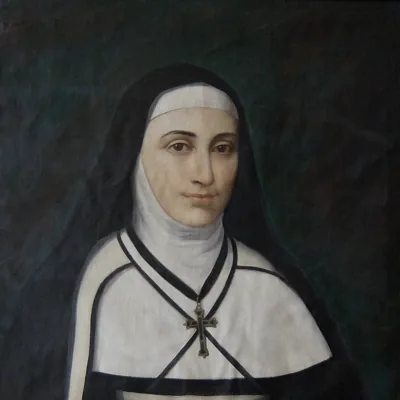
Blessed Adèle de Batz de Trenquelléon
Foundress of the Daughters of Mary Immaculate
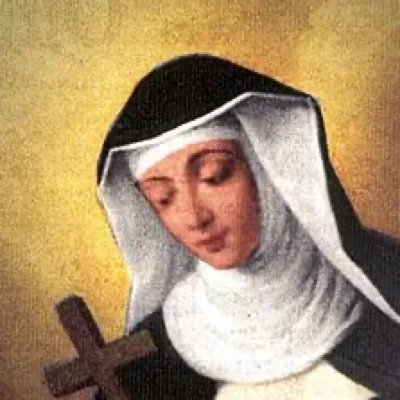
Blessed Agnes of Langeac
Dominican mystic of the Velay
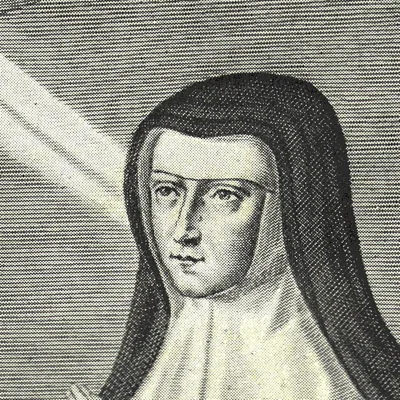
Blessed Alix Le Clerc
Foundress of the Congregation of Notre Dame