
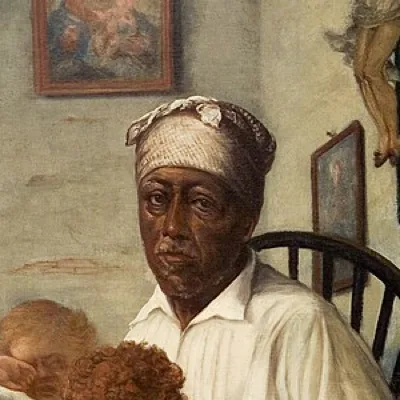
A self-taught Afro-Puerto Rican, he kept for decades a free school at home open to children of all races and conditions, from which several figures of the island emerged.
Born at San Juan on 24 October 1790 into a poor family of African descent, the son of a worker on the tobacco plantations, Rafael Cordero y Molina taught himself to read and write. Confirmed at fourteen by Bishop Juan Alejo de Arizmendi, the first bishop born on the island, he led a life of simple faith and resolved to pass on freely what he had learnt.
He opened in his house in Calle de la Luna a school where he welcomed the children of the town free of charge, without distinction of race or fortune, teaching them reading, penmanship, arithmetic and catechism; among his pupils were the politician Román Baldorioty de Castro and the writer Alejandro Tapia y Rivera. When the Economic Society of Friends of the Country awarded him a prize for virtue, he gave half the sum to his pupils and half to the poor. More than two thousand people followed his funeral in 1868, and the painter Francisco Oller immortalised his school in 1891. Pope Francis declared him venerable on 9 December 2013.
Celebrated on the same day
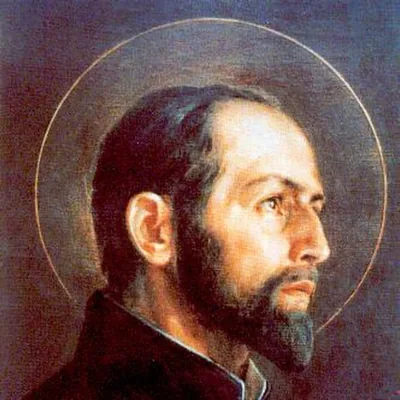
Saint Anthony Mary Zaccaria
Physician turned priest, founder of the Barnabites
Saint Athanasius of Jerusalem
Deacon of the Resurrection, martyr of Chalcedon
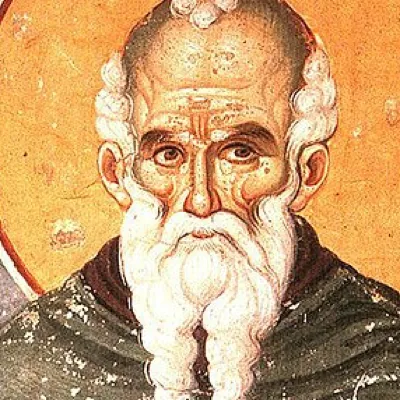
Saint Athanasius the Athonite
Founder of the Great Lavra
In the same region
Blessed María Encarnación Rosal
Reformer of the Bethlemites
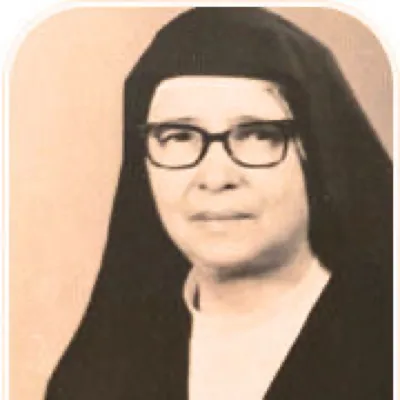
Blessed María Romero Meneses
Salesian, mother of the poor of San José
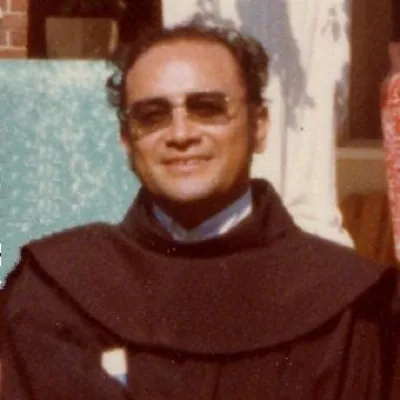
Blessed Augusto Rafael Ramírez Monasterio
Franciscan, martyr of the seal of confession