
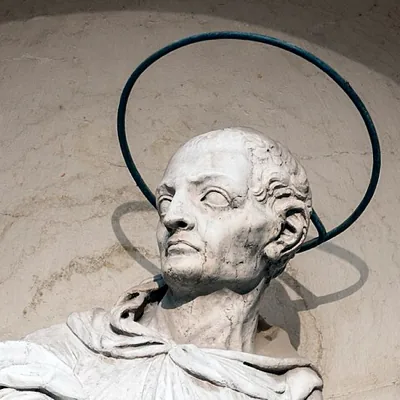
Doge of Venice from 976 to 978, he rebuilt the city after the fire that had destroyed Saint Mark’s, then fled secretly to become a monk and hermit at the abbey of Cuxa, in the Pyrenees, where he died.
Of an influential Venetian family, Peter Orseolo was elected doge in August 976, after the revolt that cost the life of his predecessor Peter IV Candiano and burned the ducal palace, the basilica of Saint Mark and part of the city. He had the palace rebuilt at his own expense and began the reconstruction of the basilica; he also founded a hospice for the poor near Saint Mark’s.
In the night of 1 September 978, he left Venice secretly with Abbot Guarinus of Cuxa and the future Saint Romuald, and reached the abbey of Saint-Michel-de-Cuxa, in the Catalan Pyrenees, now in France. He lived there as a simple monk, then as a hermit in a neighbouring cell, under the guidance of Romuald. He died on 10 January 987 or 988. His son, Peter II Orseolo, would be one of the greatest doges of Venice.
Venerated at Cuxa, where his body was placed in the abbey church in 1027, he was canonised by Clement XII on 18 April 1731; a halo was then added to his portrait in the gallery of the doges in the ducal palace. The Roman Martyrology commemorates him on 10 January as the doge turned monk who ‘shone by his piety and austerity’.
Celebrated on the same day
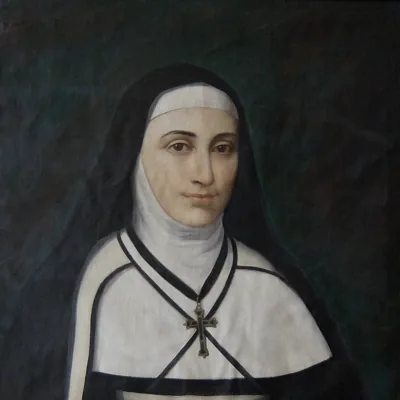
Blessed Adèle de Batz de Trenquelléon
Foundress of the Daughters of Mary Immaculate
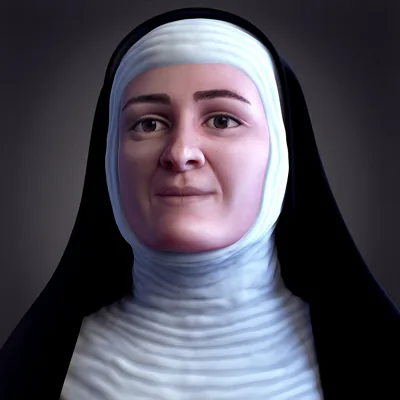
Blessed Ana de los Ángeles Monteagudo
Dominican of Arequipa
Blessed Dolores Rodríguez Sopeña
Apostle of the working-class districts of Madrid
Blessed Giles of Laurenzana
Franciscan brother, hermit of Basilicata
Blessed Gonçalo of Amarante
Dominican priest, hermit and bridge-builder
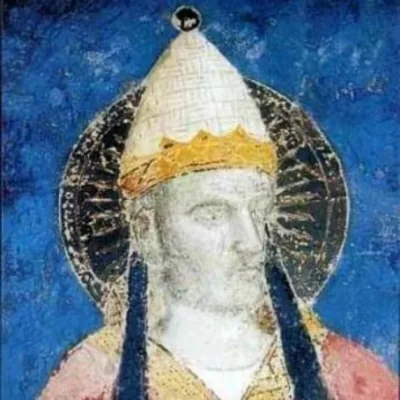
Blessed Gregory X
Pope, founder of the conclave
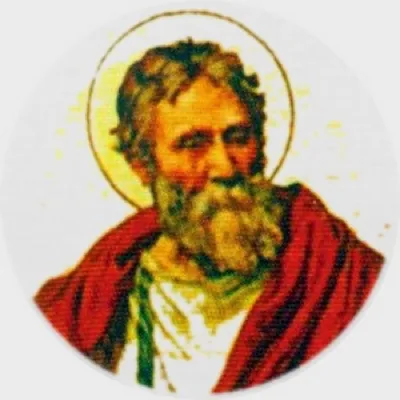
Saint Agatho
Pope, architect of the Third Council of Constantinople
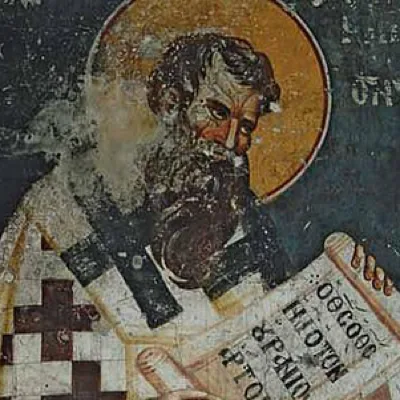
Saint Gregory of Nyssa
Bishop of Nyssa, Father of the Church
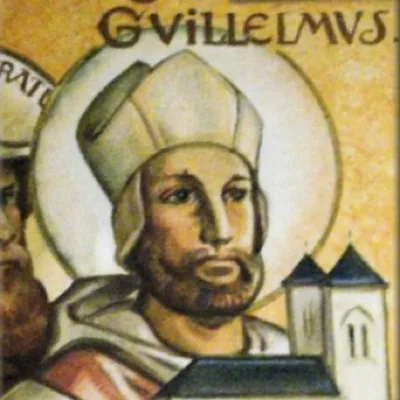
Saint William of Bourges
Archbishop of Bourges
Saint John of Jerusalem
Bishop of Jerusalem, adversary and later reconciled with Saint Jerome
Saint Miltiades
Pope, witness of the peace restored to the Church
Saint Léonie Aviat
Mother Françoise de Sales, foundress of the Oblates of Saint Francis de Sales
Servant of God Dora del Hoyo
Domestic worker, first numerary assistant of Opus Dei
Servant of God Eileen O'Connor
Co-founder of Our Lady's Nurses for the Poor
In the same region
Blessed Angelina of Marsciano
Foundress of the Franciscan Sisters of the Third Order Regular
Blessed Anna Rosa Gattorno
Widow, foundress of the Daughters of St Anne
Blessed Anna Maria Taigi
Mother of a family and Roman mystic