
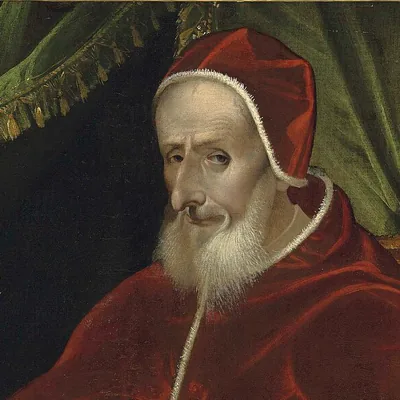
The son of Piedmontese peasants who became a Dominican, inquisitor and then pope, he applied the Council of Trent — Roman Catechism, Breviary and Missal — and formed the Holy League victorious at Lepanto.
Antonio Ghislieri was born on 17 January 1504 at Bosco, near Alessandria, into a poor family; as a child he tended sheep. Having entered the Dominicans at Voghera at fourteen under the name of Michele, he taught theology, became prior, then inquisitor at Como and Bergamo. Paul IV made him Bishop of Sutri and Nepi in 1556, cardinal in 1557 and grand inquisitor in 1558; Pius IV appointed him Bishop of Mondovì, in his native Piedmont.
Elected pope on 7 January 1566, he kept under the purple the austerity of a monk. He put into effect the decrees of the Council of Trent: Roman Catechism (1566), Breviary (1568) and Roman Missal (1570), reform of the Curia and of the clergy; he proclaimed Thomas Aquinas a Doctor of the Church in 1567. His severity was also exercised in the action of the Inquisition and in the bull Regnans in excelsis (1570), which excommunicated Elizabeth I of England.
Faced with the Ottoman advance, he united Spain and Venice in the Holy League, whose fleet won at Lepanto on 7 October 1571; in thanksgiving he instituted the feast of Our Lady of Victory, which became that of the Rosary. He died in Rome on 1 May 1572 and rests at Santa Maria Maggiore. Clement XI canonised him in 1712.
Celebrated on the same day
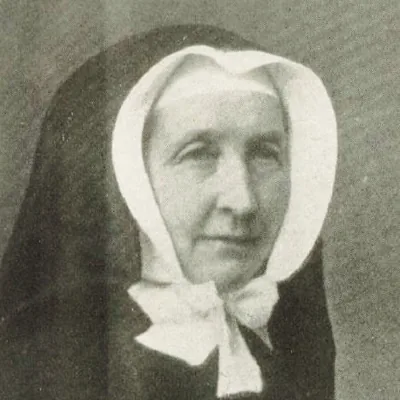
Blessed Pauline von Mallinckrodt
Foundress of the Sisters of Christian Charity
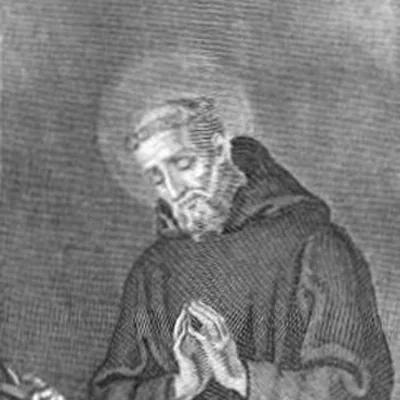
Blessed Benedict of Urbino
Capuchin, companion of Lawrence of Brindisi in Bohemia
Saint Adjutor
Crusader and hermit of Vernon
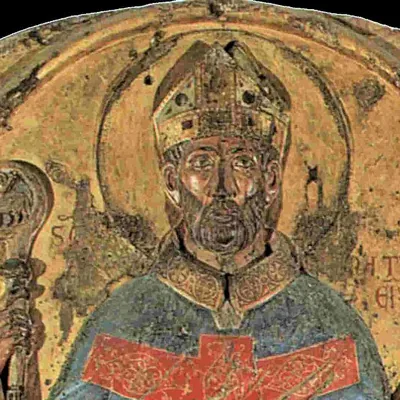
Saint Donatus of Euroea
Bishop of Euroea in Epirus
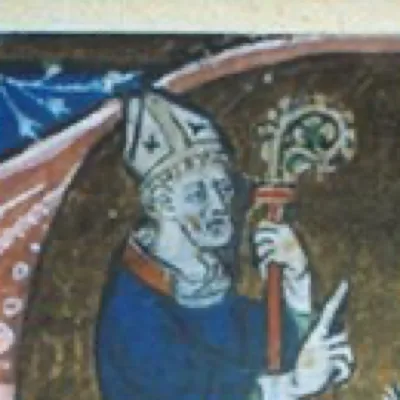
Saint Erconwald
Bishop of London, founder of Chertsey and Barking
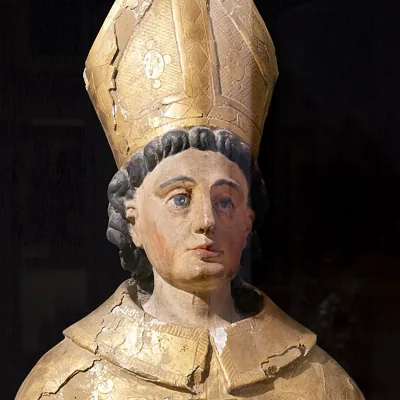
Saint Eutropius of Saintes
First Bishop of Saintes, martyr
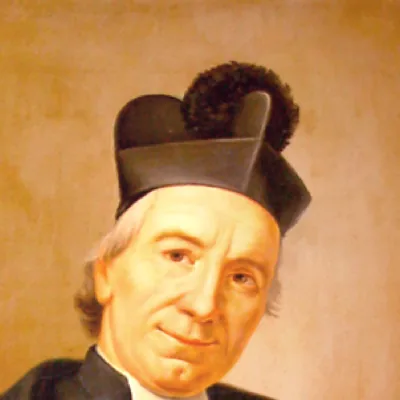
Saint Giuseppe Benedetto Cottolengo
Founder of the Little House of Divine Providence
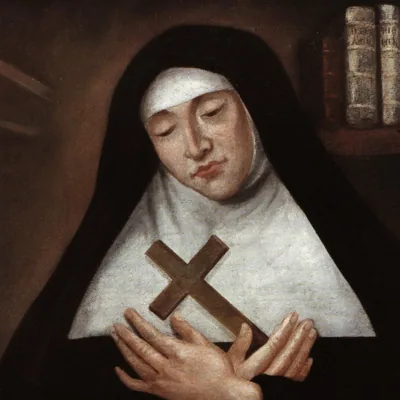
Saint Marie of the Incarnation
Mystic and foundress of the Ursulines of Quebec
Servant of God Michel Kayoya and Companions
Martyrs of fraternity in Burundi
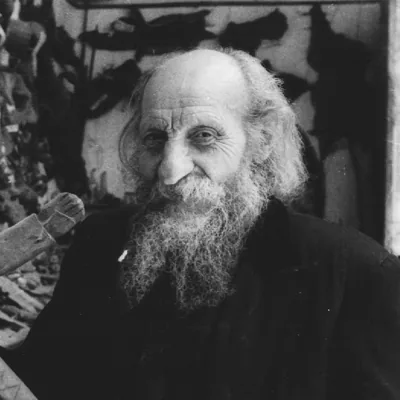
Venerable Carlo Crespi
Apostle of the poor of Cuenca
In the same region
Blessed Angelina of Marsciano
Foundress of the Franciscan Sisters of the Third Order Regular
Blessed Anna Rosa Gattorno
Widow, foundress of the Daughters of St Anne
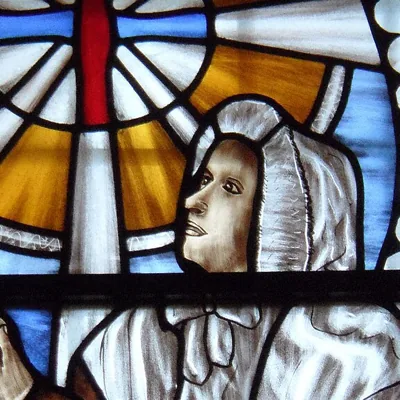
Blessed Anna Maria Taigi
Mother of a family and Roman mystic