
An architect who became a priest at thirty-three, builder of the seminary of Vitoria and servant of the poor of Balmaseda, he was abducted and killed by militiamen in August 1936 on Mount Candina.
The son of a lawyer, Pedro Asúa Mendía was born at Balmaseda, in Biscay, on 30 August 1890. A graduate in architecture in Madrid in 1914, he worked on several buildings in Bilbao and Madrid and from 1917 to 1920 built the Mendía schools of his native town. In 1920 he entered the seminary of Vitoria and was ordained a priest on 14 June 1924.
Bishop Mateo Múgica at once appointed him diocesan architect: he designed and directed, from 1926 to 1930, the construction of the major seminary of Vitoria, then planned the reform of the seminaries of Santiago de Compostela, Oviedo and Saturrarán, as well as a convent of Poor Clares at Cantalapiedra. A priest at Balmaseda from 1924 to 1936, he led an austere life, devoted to catechesis and to the poor.
At the beginning of the Civil War he had to go into hiding. After celebrating his last Mass on 25 August 1936, he was arrested by militiamen near Balmaseda and killed on 29 August on Mount Candina, at Liendo, in Cantabria. His remains have rested since 1956 in the chapel of the seminary he had built. He was beatified on 1 November 2014 in the new cathedral of Vitoria by Cardinal Angelo Amato; Pope Francis then hailed in him an ‘admirable example of strength in faith’.
Celebrated on the same day
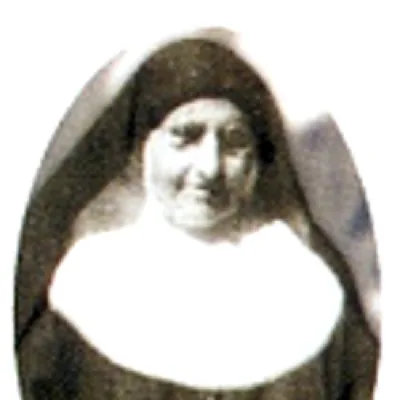
Blessed Fidela Oller and Companions
Martyrs of the Sisters of Saint Joseph of Girona
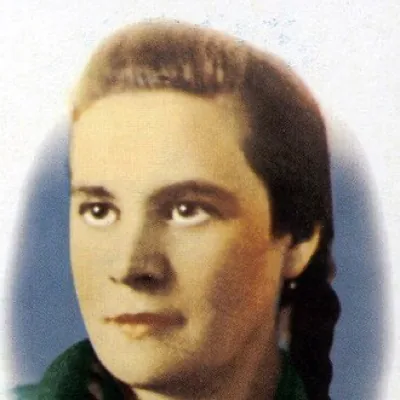
Blessed Teresa Bracco
Young peasant, martyr of purity
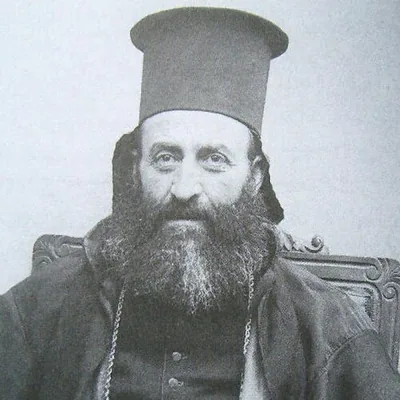
Blessed Flavianus Michael Malke
Syriac Catholic bishop of Gazireh, martyr
Blessed John of Perugia and Peter of Sassoferrato
Franciscan martyrs at Valencia
Saint Sabina
Roman martyr, titular of the basilica on the Aventine
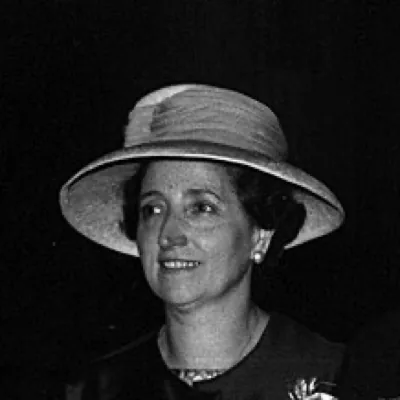
Servant of God Paquita Domínguez
Schoolteacher, wife and mother of a family
In the same region
Blessed Anne of Jesus
Carmelite, heir of Teresa of Avila, foundress in France and Flanders
Blessed Ana María Janer
Foundress of the Sisters of the Holy Family of Urgell
Blessed Ana María Mogas
Foundress of the Franciscan Missionaries of the Mother of the Divine Shepherd