
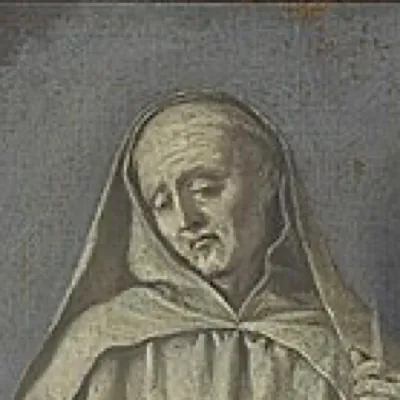
A canon of Saint-Martin of Tours who became a monk, second abbot of Cluny, he spread the Cluniac reform in France and Italy and made his abbey the hearth of monastic renewal.
Born around 878 into a noble family, the son of Abbo, Odo was vowed by his father to Saint Martin. A page at the court of William the Pious, duke of Aquitaine, he became a canon of Saint-Martin of Tours, then studied in Paris under Remigius of Auxerre. Reading the Rule of Saint Benedict decided him to become a monk: around 909 he entered the abbey of Baume, in the Jura, where Abbot Berno entrusted the school to him; he brought there only his books, about a hundred volumes. Berno founded Cluny in 910 and Odo followed him.
At Berno’s death, in 927, he was elected abbot of Cluny and accepted only under threat of excommunication. He completed the buildings, obtained from Pope John XI in 931 the protection of the Holy See and the right to reform other monasteries, and restored Benedictine observance at Fleury, Saint-Martial of Limoges, Sens and elsewhere. Called to Rome from 936, he reformed Saint Paul outside the Walls and several Roman monasteries, and acted as mediator between Alberic, prince of the Romans, and King Hugh of Italy.
The author of the Collationes, of a Life of Saint Gerald of Aurillac, of a poem on the Redemption, the Occupatio, and of hymns in honour of Saint Martin, he is known through the Life written by his disciple John of Salerno. Returning to Gaul, he fell ill at Tours, at the monastery of Saint-Julien, after the feast of Saint Martin, and died there on 18 November 942. He was buried there; the Huguenots burned the greater part of his remains in the sixteenth century. The Benedictines also keep his feast with the other holy abbots of Cluny.
Celebrated on the same day
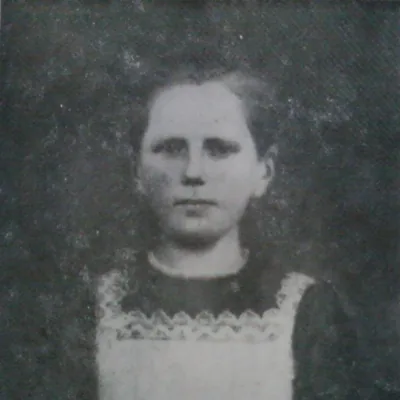
Blessed Karolina Kózka
Young peasant girl, martyr of purity
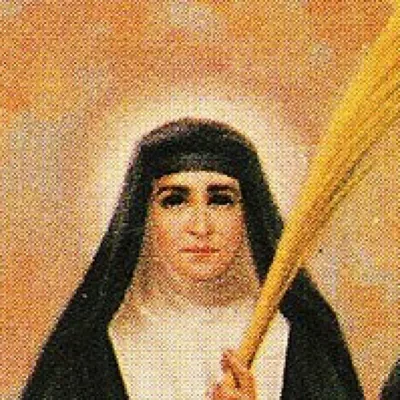
Blessed María Gabriela de Hinojosa and Companions
Visitation martyrs of Madrid
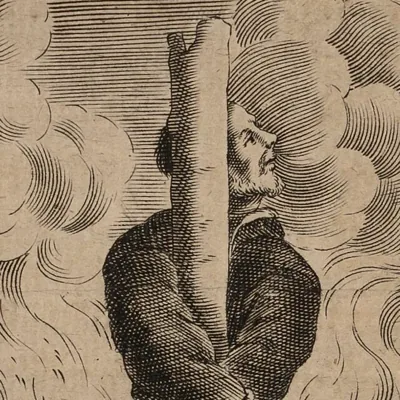
Blessed Leonard Kimura and Companions
Jesuit brother and four laymen burned at Nagasaki (1619)
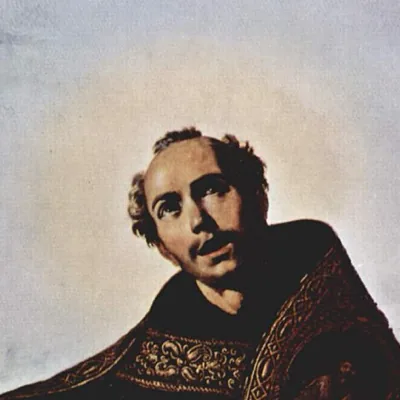
Saint Romanus of Antioch
Deacon and martyr
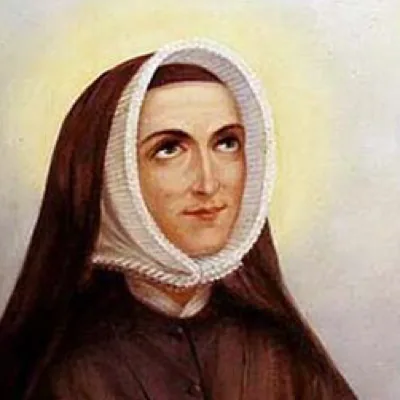
Saint Rose Philippine Duchesne
The woman who prays always
In the same region
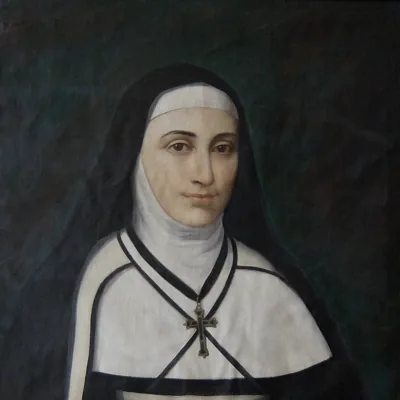
Blessed Adèle de Batz de Trenquelléon
Foundress of the Daughters of Mary Immaculate
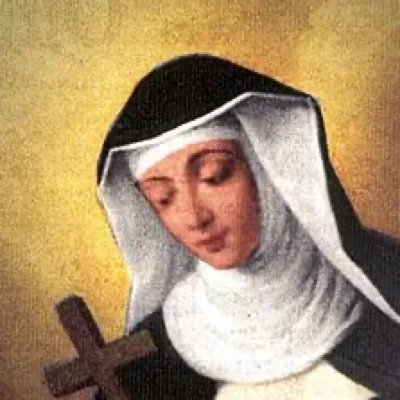
Blessed Agnes of Langeac
Dominican mystic of the Velay
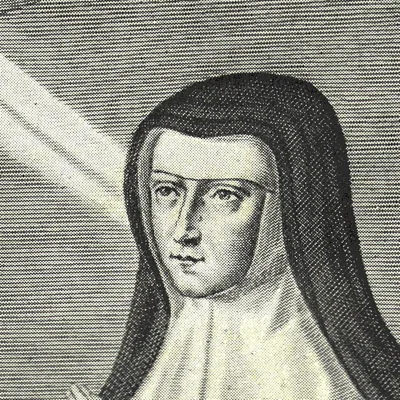
Blessed Alix Le Clerc
Foundress of the Congregation of Notre Dame