
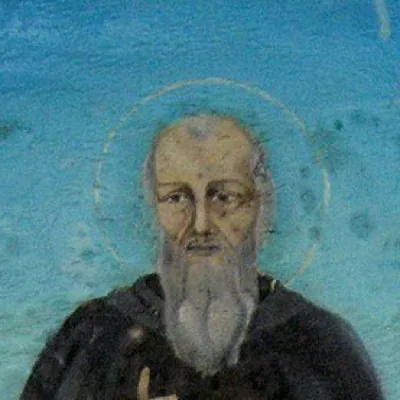
A great monk of the Byzantine rite in Calabria, ascetic, copyist and poet, he founded at the end of his long life the abbey of Grottaferrata, near Rome, where the Greek rite is still celebrated in communion with Rome.
Nicholas was born around 910 at Rossano, in Byzantine Calabria. Married and the father of a daughter, he left the world at about thirty after a serious illness, took the monastic habit under the name Nilus and lived as a hermit in the region of the Mercourion, home of Italo-Greek monasticism. He then founded near Rossano the monastery of Sant’Adriano, renowned for its asceticism, its copyists and its hymns.
Around 980, fleeing Saracen incursions, he made his way with his disciples to Campania and Lazio: the abbot of Monte Cassino entrusted to him the monastery of Vallelucio, then he settled at Serperi, near Gaeta. Respected by popes and emperors, in 998 he interceded with Otto III on behalf of the antipope John Philagathos, his fellow countryman, who had been cruelly mutilated.
In 1004, almost a hundred years old, he obtained from the count of Tusculum a piece of land at Grottaferrata, in the Alban Hills, in order to found a monastery there; he died there on 26 September 1004. His disciple Bartholomew completed the foundation. The abbey of Grottaferrata, a monastery of the Byzantine rite in communion with Rome, preserves his memory; he is the patron of Rossano.
Celebrated on the same day
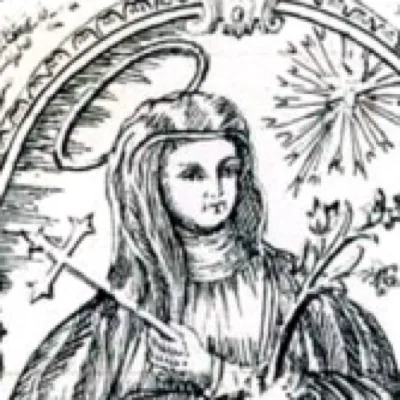
Blessed Lucia of Caltagirone
Franciscan tertiary of Salerno
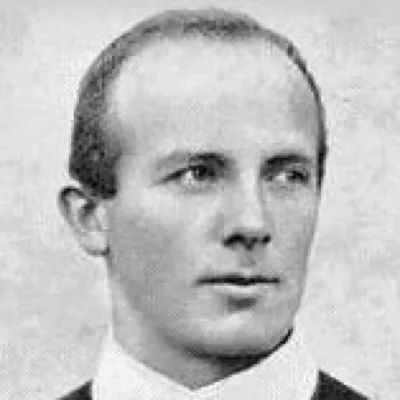
Blessed Kaspar Stangassinger
Redemptorist, educator of future priests
Blessed Luigi Tezza
Apostle of Lima
Saint John of Meda
Priest, reformer of the Humiliati
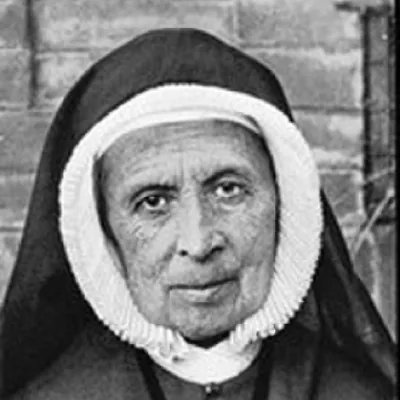
Saint Thérèse Couderc
Foundress of the Cenacle
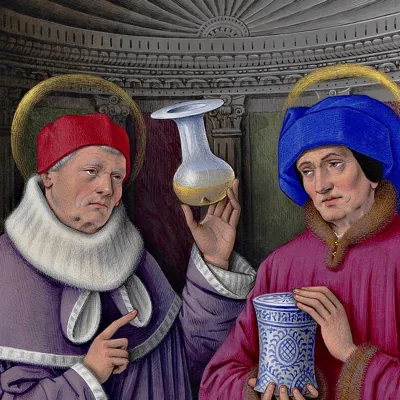
Saints Cosmas and Damian
Anargyroi physicians and martyrs
In the same region
Blessed Angelina of Marsciano
Foundress of the Franciscan Sisters of the Third Order Regular
Blessed Anna Rosa Gattorno
Widow, foundress of the Daughters of St Anne
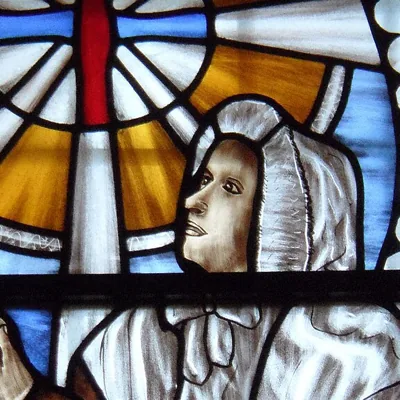
Blessed Anna Maria Taigi
Mother of a family and Roman mystic