
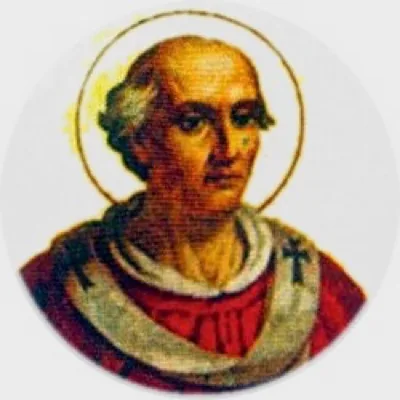
Pope from 858 to 867, he asserted the authority of the See of Peter against kings and archbishops, defended the indissolubility of marriage against King Lothair II and answered the questions of the newly baptised Bulgarians.
The son of a Roman notable, trained at the Lateran, Nicholas served Popes Sergius II, Leo IV and Benedict III as deacon and counsellor. Elected in April 858 in the presence of the Emperor Louis II, he is one of the few popes of the early Middle Ages to bear the title ‘the Great’. He wished the law of the Church to apply to all, the powerful included: he overturned the decisions of the archbishops Hincmar of Reims and John of Ravenna when they exceeded their rights.
King Lothair II of Lotharingia having repudiated his wife Theutberga in order to marry Waldrada, with the approval of a synod held at Metz, Nicholas annulled this synod, deposed the archbishops of Cologne and Trier who had presided over it and maintained the indissolubility of marriage, despite the pressure of the emperor, who came to besiege Rome. In the East, he refused to recognise Photius in the place of Patriarch Ignatius, deposed by the emperor, which opened a lasting crisis between Rome and Constantinople.
In 866 he sent to King Boris of Bulgaria, newly baptised, missionaries and one hundred and six answers to his questions on the Christian life, in which he affirmed in particular the freedom of consent to marriage and condemned torture. He also supported the mission of Cyril and Methodius, whom he summoned to Rome. He died on 13 November 867; the Roman Martyrology commemorates him on that day.
Celebrated on the same day
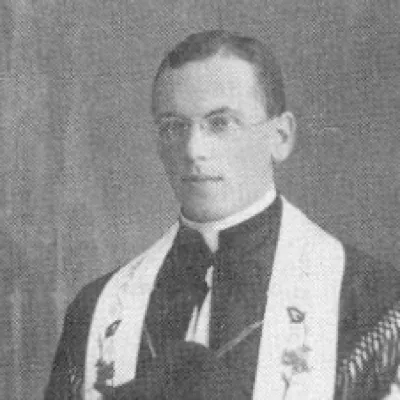
Blessed Carl Lampert
Provicar of Innsbruck, martyr
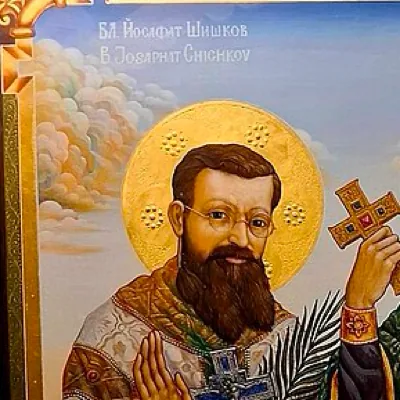
Blessed Josaphat Shishkov
Assumptionist, educator and parish priest of Varna, martyr
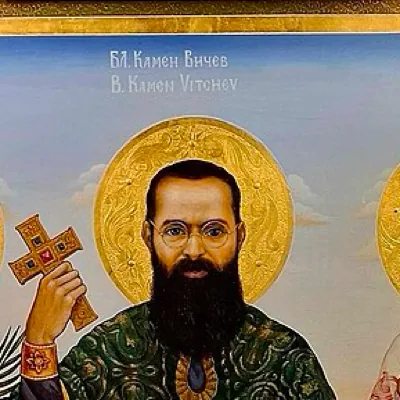
Blessed Kamen Vitchev
Assumptionist of the Byzantine rite, rector of the college of Plovdiv, martyr
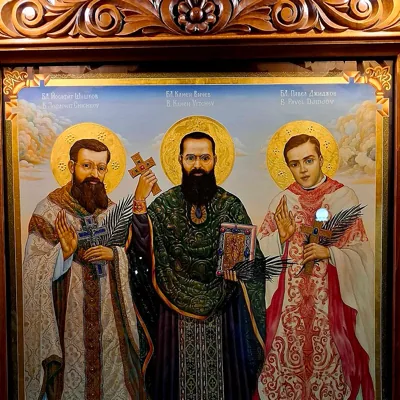
Blessed Kamen Vitchev, Pavel Djidjov and Josaphat Chichkov
Assumptionist priest martyrs of Bulgaria
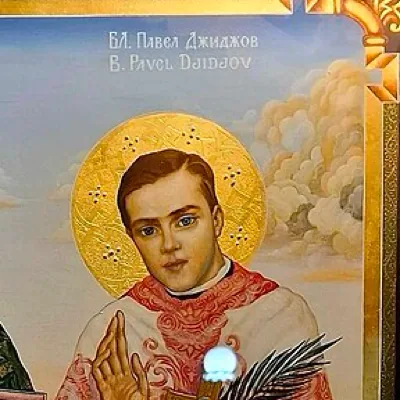
Blessed Pavel Djidjov
Assumptionist, bursar and defender of his congregation, martyr
Saint Abbo of Fleury
Abbot of Fleury, scholar and martyr
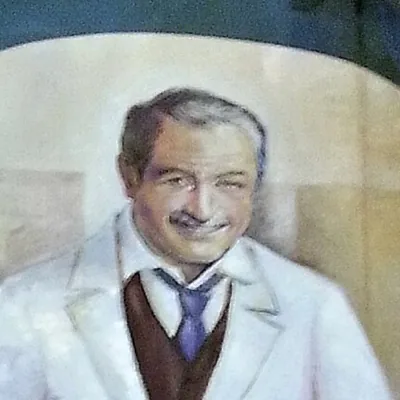
Saint Artemide Zatti
The relative of all the poor
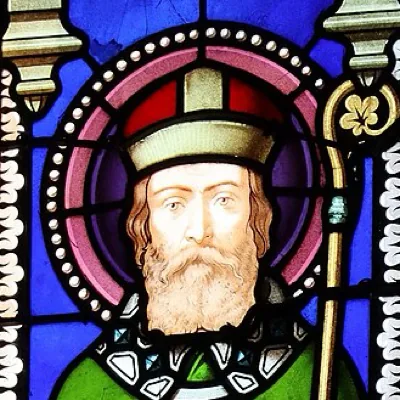
Saint Brice of Tours
Disciple and successor of Saint Martin
Saint Eugenius of Toledo
Bishop of Toledo, poet and liturgist
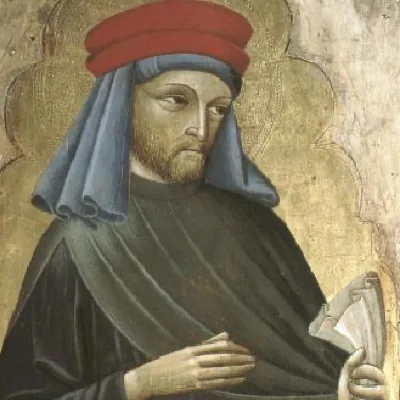
Saint Homobonus of Cremona
Merchant, patron of tailors
Saint Imier
Hermit and evangeliser of the valley of Saint-Imier
Saint Agostina Pietrantoni
Nursing sister, martyr of the Santo Spirito hospital
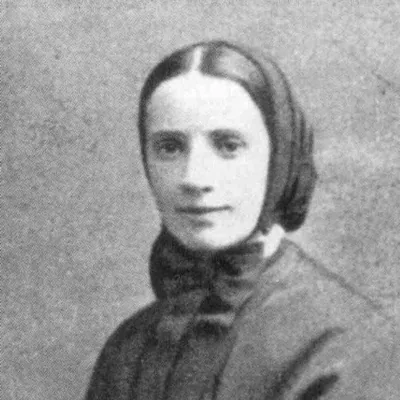
Saint Frances Xavier Cabrini
Mother of the emigrants
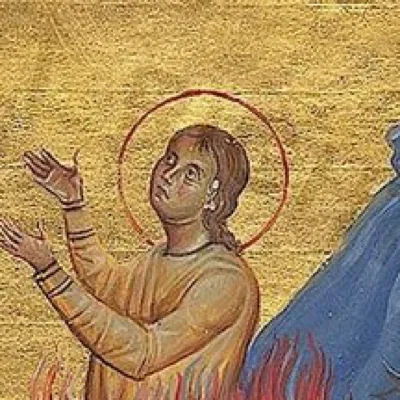
Saints Antoninus, Zebinas, Germanus and Manatha
Martyrs of Caesarea
Saints Arcadius, Paschasius, Probus, Eutychian and Paulillus
Spanish martyrs at the court of Genseric
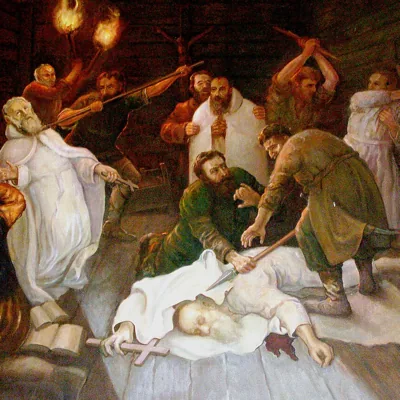
Holy Five Brother Martyrs
The first martyrs of Poland
In the same region
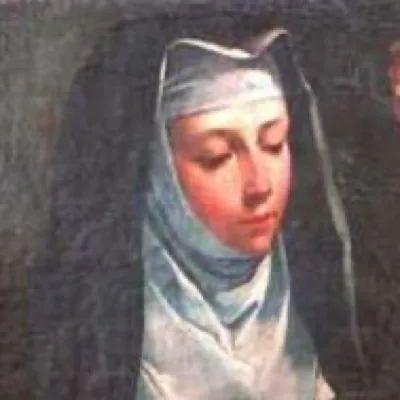
Blessed Angelina of Marsciano
Foundress of the Franciscan Sisters of the Third Order Regular
Blessed Anna Rosa Gattorno
Widow, foundress of the Daughters of St Anne
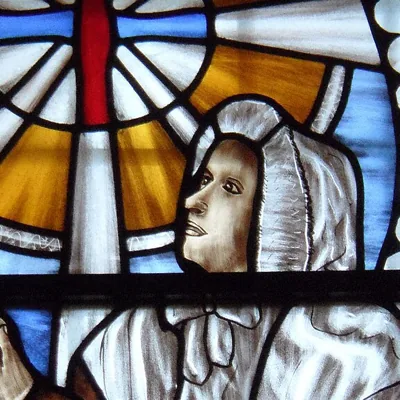
Blessed Anna Maria Taigi
Mother of a family and Roman mystic