
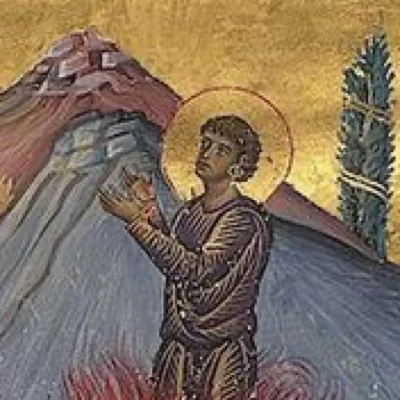
A Christian Goth faithful to the Creed of Nicaea, burned alive around 370 by order of King Athanaric for refusing to worship the idol of the tribe.
In the fourth century the Goths settled north of the lower Danube, in present-day Moldavia and Wallachia, were still mostly pagan; some had received the Gospel, some in the Arian form preached by Ulfilas, others in the faith of Nicaea. Nicetas belonged to the latter. Around 370 King Athanaric unleashed a persecution to bring his people back to the ancestral gods: an idol was carried on a wagon from tent to tent, and those who refused to worship it were burned, often in their own dwellings.
Nicetas thus died in the flames, around 370; his compatriot Saint Sabbas was to be drowned in the Buzău in 372, in the course of the same persecution. His remains were collected and carried in 375 to Mopsuestia, in Cilicia, where his passion was put in writing; his cult then spread to Constantinople, which dedicated a church to him. The Roman Martyrology commemorates him on 15 September, the day of this translation; the Romanian Orthodox Church venerates him under the name ‘Nichita Romanul’.
Celebrated on the same day
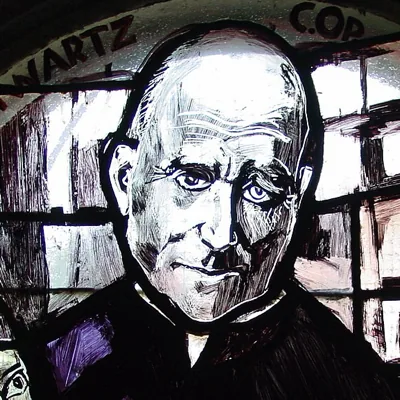
Blessed Anton Maria Schwartz
Apostle of the workers of Vienna, founder of the Calasanctians
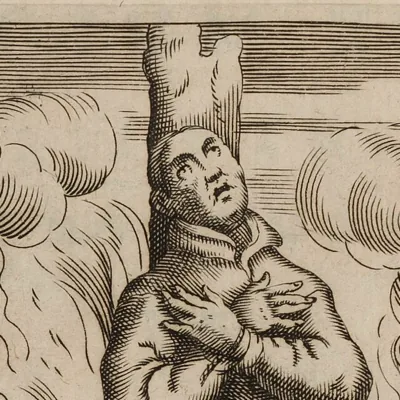
Blessed Camillo Costanzo
Calabrian Jesuit, martyr of Tabira
Blessed Paolo Manna
Missionary in Burma, founder of the Pontifical Missionary Union of the Clergy
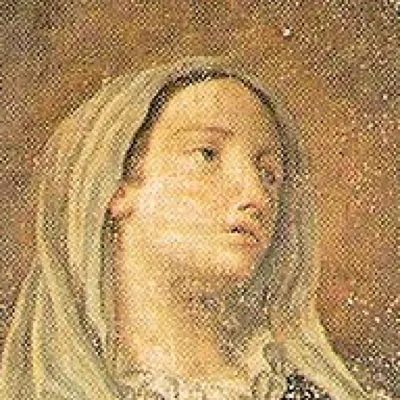
Saint Catherine of Genoa
Mystic and servant of the sick
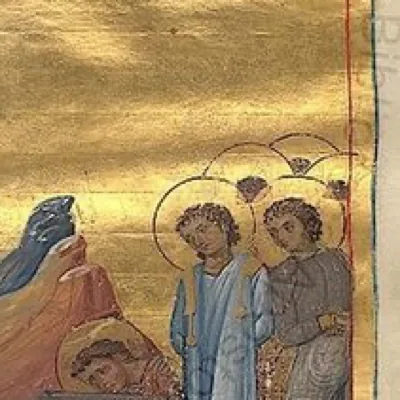
Saints Strato, Valerius, Macrobius and Gordian
Martyrs of Tomis under Licinius
Servant of God Joseph Chhmar Salas
First Cambodian bishop
Servant of God Joseph Chhmar Salas and Companions
Martyrs of Cambodia
In the same region
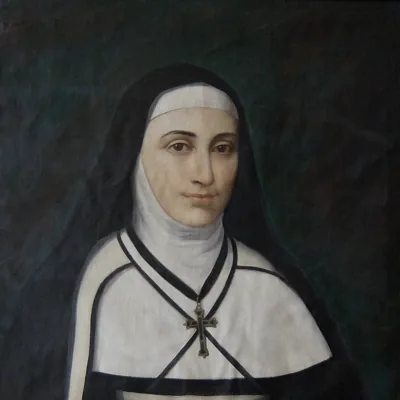
Blessed Adèle de Batz de Trenquelléon
Foundress of the Daughters of Mary Immaculate
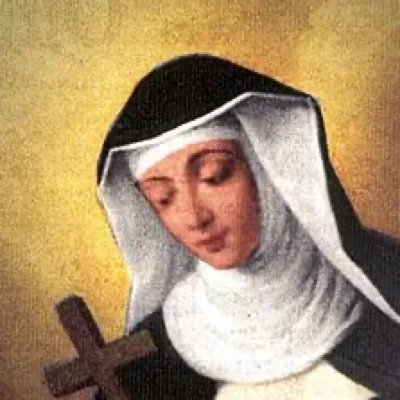
Blessed Agnes of Langeac
Dominican mystic of the Velay

Blessed Alexandrina of Balazar
Paralysed peasant woman, victim for sinners