
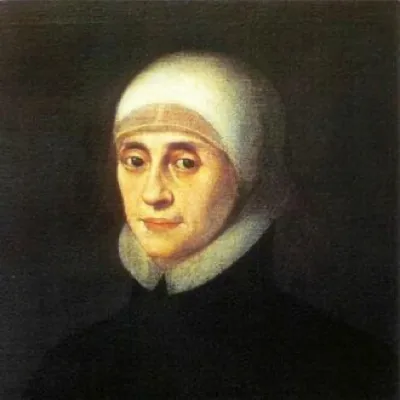
A Yorkshirewoman who wanted for women an active religious life on the model of the Jesuits, without enclosure, in the service of the education of girls; her institute, suppressed in 1631, gave rise to the Loreto Sisters and the Congregation of Jesus.
Born on 23 January 1585 at Mulwith, in Yorkshire, into a Catholic family tried by the penal laws, Mary Ward was brought up by her grandmother, long imprisoned for her faith. In 1606, she left for Saint-Omer among the Poor Clares, then founded at Gravelines, with her dowry, a monastery of Poor Clares for Englishwomen. Understanding that God was calling her to another form of life, she gathered from 1609 a group of companions for the education of young girls.
Her project was bold: religious women without enclosure, without choral office or habit, governed by a superior general and not by the bishops, on the model of the Society of Jesus. Her schools multiplied in Flanders, Bavaria, Austria, Italy and Bohemia; she travelled across Europe on foot, often ill. But her opponents denounced these “Jesuitesses”: Urban VIII suppressed the institute in 1631 and she was briefly held as a heretic in the convent of the Poor Clares at Munich.
Returning to England in 1637, she opened free schools in London, cared for the sick and visited prisoners, then withdrew to Yorkshire during the civil war. She died at Heworth, near York, on 30 January 1645, and was buried in the cemetery of Osbaldwick. Her work was reborn after her death: approved in 1703 and in 1877, she was recognised as foundress in 1909. Benedict XVI declared her venerable on 19 December 2009.
Celebrated on the same day
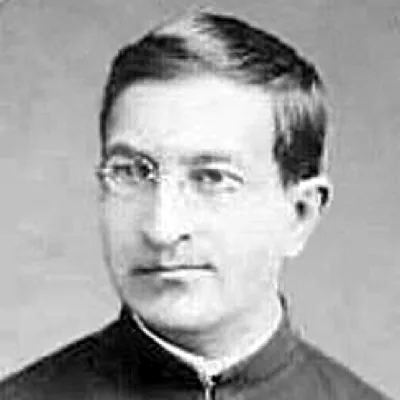
Blessed Bronisław Markiewicz
Founder of the Michaelites, educator of poor children
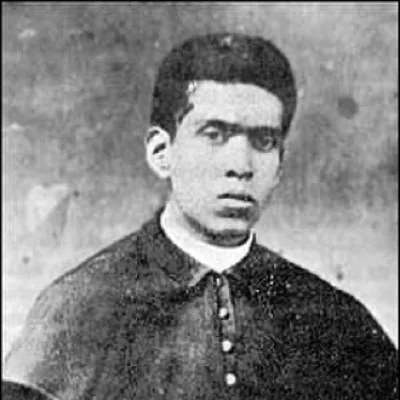
Saint David Galván Bermúdez
The priest of the shoemakers of Guadalajara
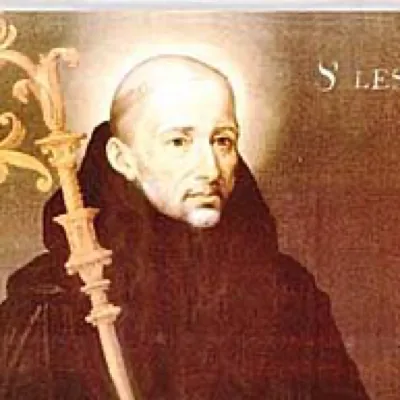
Saint Lesmes of Burgos
Abbot, protector of the pilgrims of Burgos
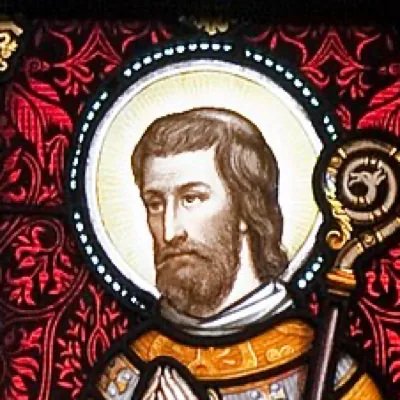
Saint Maedhoc of Ferns
First Bishop of Ferns
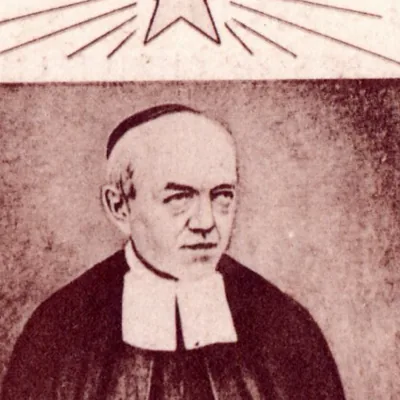
Saint Mutien-Marie Wiaux
Brother of the Christian Schools at Malonne
Saint Aldegund of Maubeuge
Foundress and abbess of Maubeuge
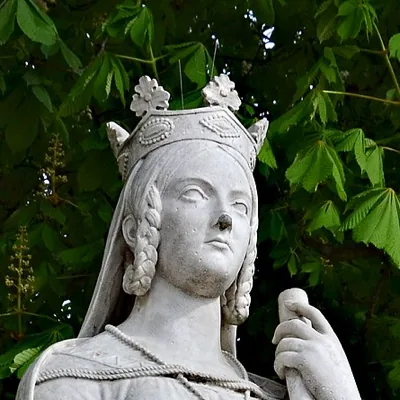
Saint Balthild
Queen of the Franks, nun at Chelles
Saint Hyacintha Marescotti
Nun of Viterbo, from worldliness to charity
Saint Martina
Virgin and martyr of Rome
In the same region
Blessed Margaret Pole
Countess of Salisbury, martyr
Blessed Adrian Fortescue
Knight of Malta, Dominican tertiary, martyr
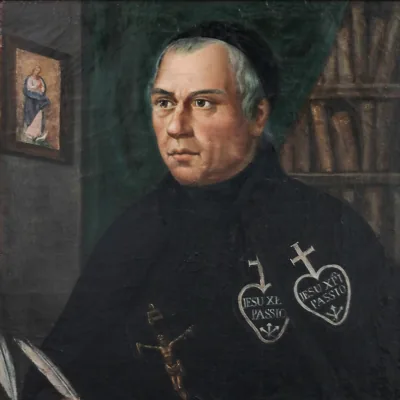
Blessed Dominic Barberi
Passionist, apostle of England