
Five Christians of Egypt, who had given themselves the names of prophets, arrested on their return from the mines of Cilicia where they had assisted the confessors, and beheaded at Caesarea on the same day as Saint Pamphilus.
Eusebius of Caesarea, who witnessed their trial, reports (Martyrs of Palestine, 11) that in February 309, five Egyptian Christians were returning from Cilicia, where they had of their own accord assisted the confessors condemned to the mines. Arrested at the gates of Caesarea, they appeared before the governor Firmilian. Asked his name, their spokesman replied with the name of a prophet: they had abandoned their names of pagan origin for those of Elias, Jeremiah, Isaiah, Samuel and Daniel. When the judge asked him his homeland, he replied: “Jerusalem”, meaning the heavenly Jerusalem.
Tortured, they were beheaded on 16 February. On the same day died the priest Pamphilus, the deacon Valens of Jerusalem and Paul of Jamnia, after two years in prison, then Porphyrius, the young servant of Pamphilus, the Cappadocian officer Seleucus, the old man Theodulus, of the governor’s household, and Julian, a Cappadocian who, arriving in the city, embraced the bodies of the martyrs and was at once executed. The Roman Martyrology unites all these martyrs in the same commemoration on 16 February.
Celebrated on the same day
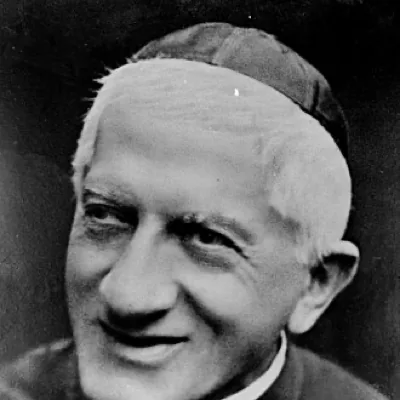
Saint Giuseppe Allamano
Rector of the Consolata, founder of the Consolata Missionaries
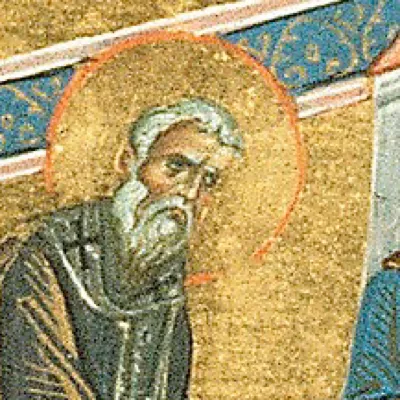
Saint Maruthas of Maiferqat
Bishop of Martyropolis
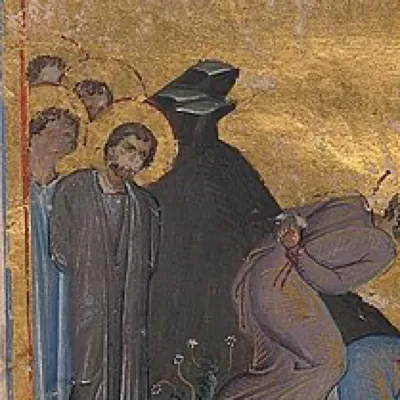
Saint Pamphilus of Caesarea
Priest, scholar and martyr
In the same region
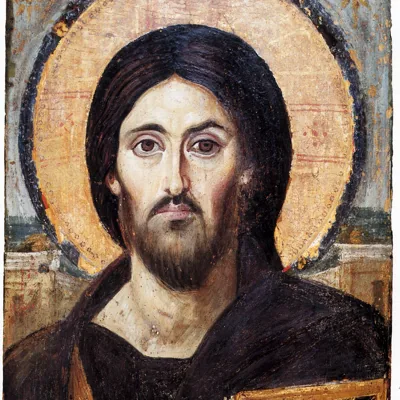
Jesus Christ
The Holy of Holies, the Word made flesh
The Fifty Martyrs of Eleutheropolis
Soldiers of Gaza, martyrs of the Arab conquest
The Franciscan Martyrs of Jerusalem
Friars of the Custody of the Holy Land, martyrs in 1391