
The Christians of Diocletian’s capital, where the last and most violent of the Roman persecutions broke out in 303: clerics, palace servants and whole families massacred by the sword, fire and drowning.
On 23 February 303, the day of the Terminalia, Diocletian’s soldiers destroyed the church of Nicomedia, his imperial residence; the next day the first edict of persecution was posted, which a Christian, Saint Euethius, at once tore down. After two fires in the imperial palace, blamed on the Christians, repression was unleashed. Eusebius of Caesarea and Lactantius, a witness of the events, report that whole families were beheaded or burned, and that others were cast into the sea with a stone round the neck.
Among them fell Bishop Anthimus, beheaded, the palace servants Peter, Dorotheus and Gorgonius, and a multitude of the faithful. The Roman Martyrology commemorates on 23 June “the many holy martyrs of Nicomedia” who, having taken refuge in the mountains and caves in the time of Diocletian, underwent martyrdom with serenity. The Byzantine tradition for its part honours the Christians burned in their church while they were celebrating the Nativity.
Celebrated on the same day
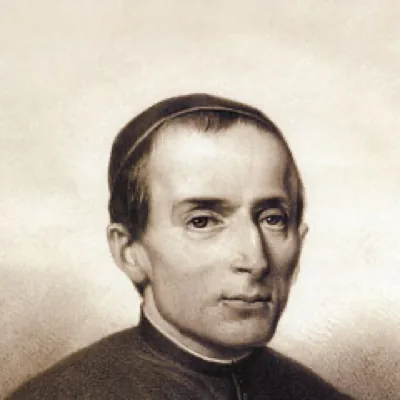
Saint Giuseppe Cafasso
Priest of Turin, “the priest of the gallows”
Saint Lanfranc of Pavia
Bishop of Pavia
Saint Thomas Garnet
Jesuit, protomartyr of Saint-Omer
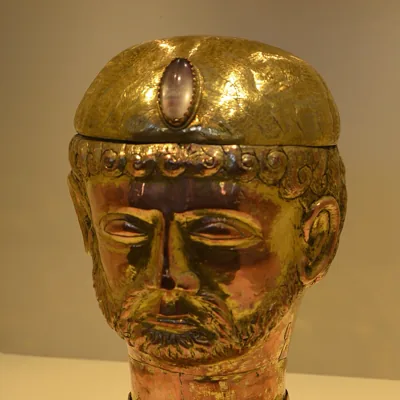
Saint Walhere of Onhaye
Priest and dean of Onhaye, martyr
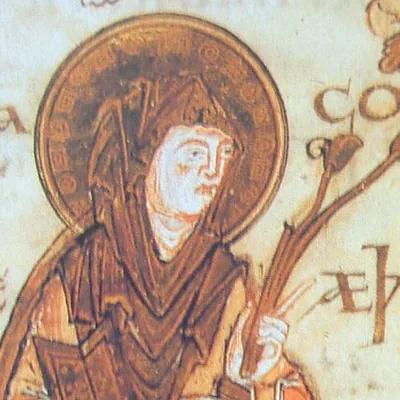
Saint Etheldreda of Ely
Queen of Northumbria, abbess of Ely
In the same region
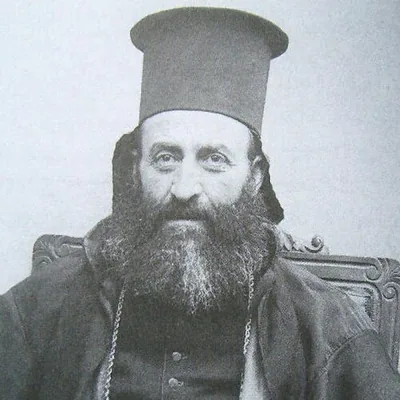
Blessed Flavianus Michael Malke
Syriac Catholic bishop of Gazireh, martyr
Blessed Salvatore Lilli
Franciscan, missionary in Lesser Armenia, martyr
Blessed Salvatore Lilli and his Seven Companions
Martyrs of Marash