
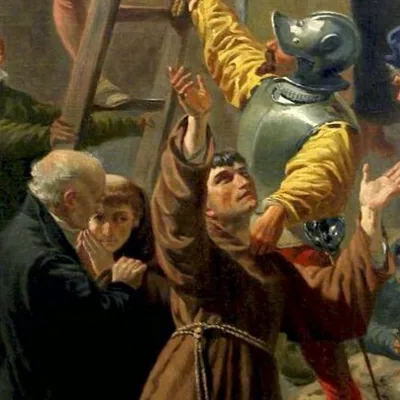
Nineteen priests and religious of Gorinchem, mostly Franciscans, hanged by the Sea Beggars near Brielle in 1572 for refusing to deny the Eucharist and the primacy of the pope.
On 26 June 1572, at the beginning of the Dutch Revolt, the Sea Beggars entered Gorinchem (Gorkum) and seized the castle where the clergy had taken refuge. Despite the free departure promised, they held back the priests and religious: eleven Franciscans of the town’s convent, among them their guardian Nicholas Pieck, the two parish priests Leonard Vechel and Nicholas Poppel, two Premonstratensians, a canon regular, a Dominican and other secular priests. Beaten and humiliated for nights on end, they were ordered to deny the real presence of Christ in the Eucharist and the authority of the pope.
On 6 July, they were embarked almost naked for Dordrecht, where they were exhibited to the crowd, then for Brielle, where they were made to walk around a gallows singing the Salve Regina. On 8 July, they appeared before Calvinist preachers; Willem van der Marck, Lord of Lumey, disregarded a letter from William of Orange asking that the priests be spared. During the night, the nineteen who refused to apostatise were hanged in a peat barn of the former convent of Saint Elizabeth at Rugge, then mutilated and thrown into a pit.
Their remains, exhumed in secret during the Twelve Years’ Truce, are for the most part preserved at Brussels, in the church of Saint Nicholas. Beatified by Clement X in 1675, they were canonised by Pius IX on 29 June 1867. The shrine built in 1932 on the place of the martyrdom, at Brielle, receives each year, around 9 July, the Dutch national pilgrimage.
Celebrated on the same day
Blessed Marie-Rose Deloye and Companions
Martyrs of Orange
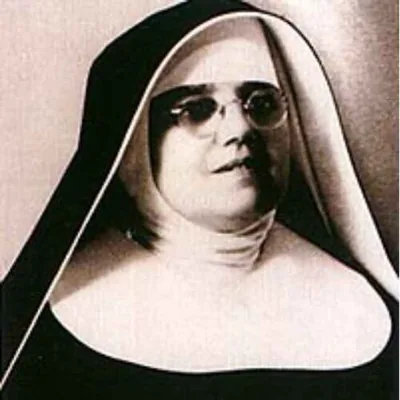
Blessed Marija Petković
Foundress of the Daughters of Mercy
Blessed Adrian Fortescue
Knight of Malta, Dominican tertiary, martyr
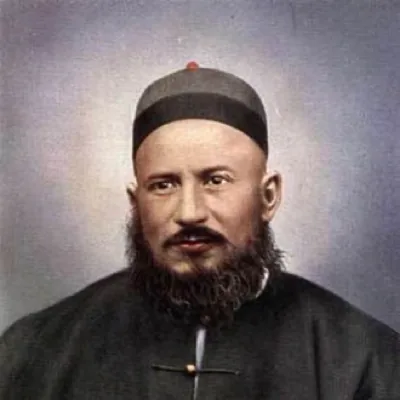
Saint Alberic Crescitelli
Missionary, martyr of Shaanxi
Saint Andrew Bauer
Alsatian Franciscan brother, martyr of Taiyuan
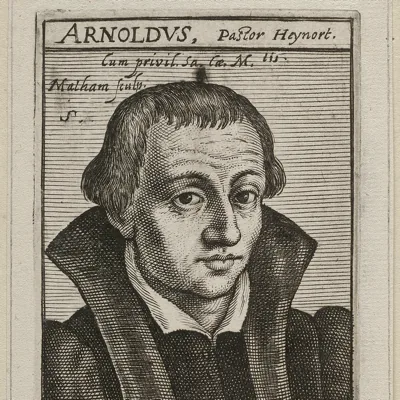
Saint Andrew Wouters
Parish priest of Heinenoord, martyr of Gorcum
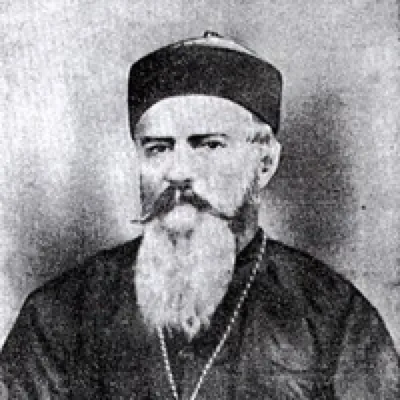
Saint Anthony Fantosati and Companions
Franciscan bishop, martyrs of Hunan
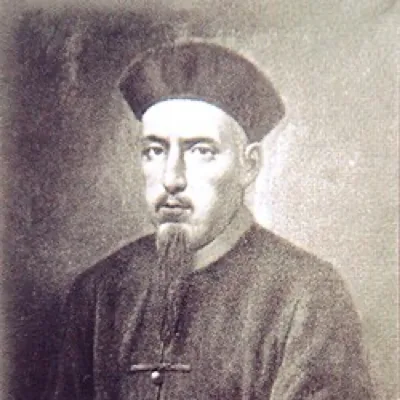
Saint Auguste Chapdelaine and Companions
Missionary, martyrs of Guangxi
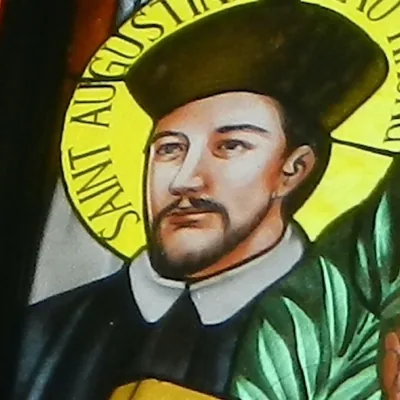
Saint Augustine Zhao Rong
Priest, martyr of Sichuan
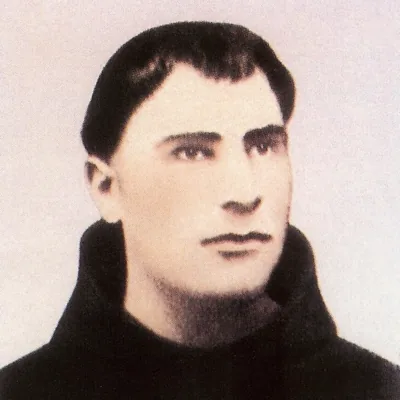
Saint Cesidio Giacomantonio
Franciscan, martyr of Hunan
Saint Chi Zhuzi
Catechumen of eighteen, martyr of Hebei
Saint Elia Facchini
Franciscan, rector of the seminary of Taiyuan, martyr
Saint Francis Díaz
Dominican, martyr of Fuzhou
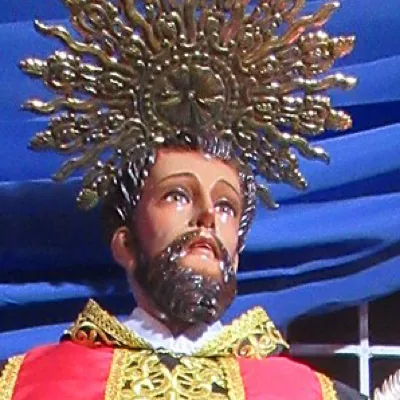
Saint Francis Fernández de Capillas
Dominican, protomartyr of China
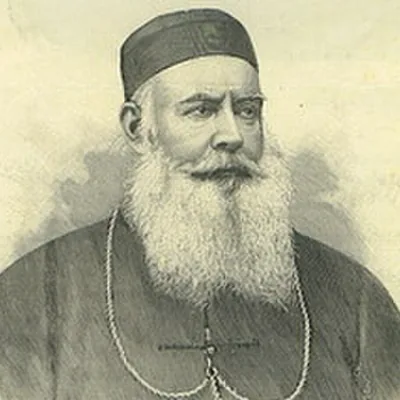
Saint Francis Fogolla
Franciscan bishop, martyr of Taiyuan
Saint Francis Serrano
Dominican, bishop-elect, martyr of Fuzhou
Saint Francis Zhang Rong
Peasant, porter of the mission, martyr of Taiyuan
Saint Francis Regis Clet
Lazarist, martyr of Wuchang
Saint Godfrey Coart
Franciscan, sacristan of Gorcum, martyr
Saint Gregory Grassi and Companions
Martyrs of Taiyuan
Saint James Zhao Quanxin
Former soldier, martyr of Taiyuan
Saint John Alcober
Dominican, martyr of Fuzhou
Saint John Chen Xianheng
Catechist and carer, martyr of Kaiyang
Saint John of Cologne
Dominican, parish priest of Hoornaar, martyr of Gorkum
Saint John of Triora
Franciscan, martyr of Changsha
Saint John Wang Rui
Seminarian, martyr of Taiyuan
Saint John Zhang Huan
Seminarian, martyr of Taiyuan
Saint John Zhang Jingguang
Seminarian, martyr of Taiyuan
Saint John Zhang Tianshen
Carpenter and catechist, martyr of Kaiyang
Saint John Baptist Luo Tingyin
Layman, martyr of Qingyanzhen
Saint John Gabriel Taurin Dufresse
Bishop, Vicar Apostolic of Sichuan, martyr of Chengdu
Saint Jean-Pierre Néel
Priest of the Paris Foreign Missions, martyr of Kaiyang
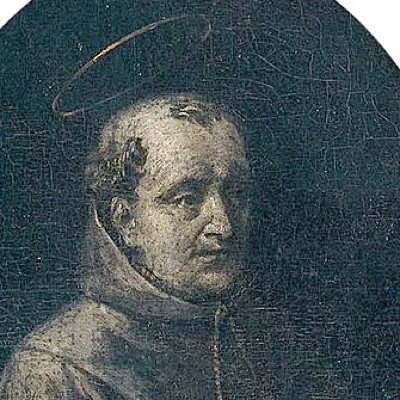
Saint Jerome of Weert
Franciscan, pilgrim to Jerusalem, martyr of Gorkum
Saint Jerome Lu Tingmei
Scholar and catechist, martyr of Maokou
Saint Joachim Hao Kaizhi
Lay catechist, martyr of Guiyang
Saint Joachim Royo
Dominican, martyr of Fuzhou
Saint Joseph Yuan Zaide
Priest, martyr of Chengdu
Saint Joseph Zhang Dapeng
Merchant and catechist, martyr of Guiyang
Saint Joseph Zhang Wenlan
Seminarian, martyr of Qingyanzhen
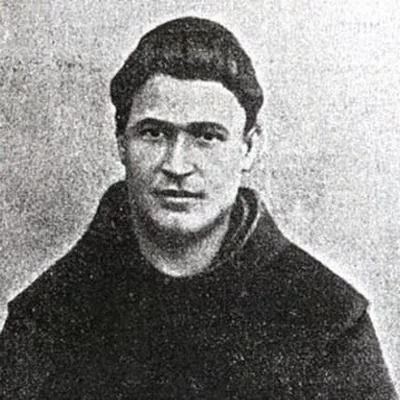
Saint Giuseppe Maria Gambaro
Franciscan, martyr of Hengzhou
Saint Lawrence Bai Xiaoman
Labourer, martyr of Xilin
Saint Lawrence Wang Bing
Catechist, martyr of Maokou
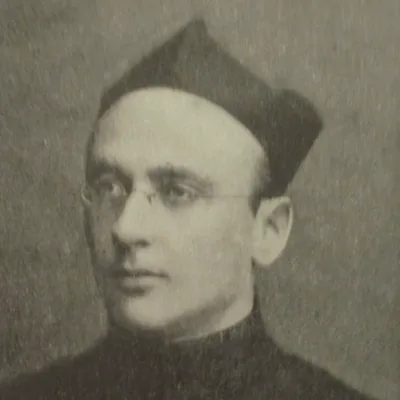
Saint Léon-Ignace Mangin and Companions
Jesuits and lay faithful, martyrs of Zhili
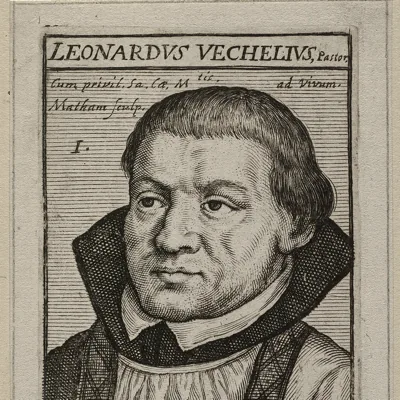
Saint Leonard Vechel
Parish priest of Gorkum, martyr
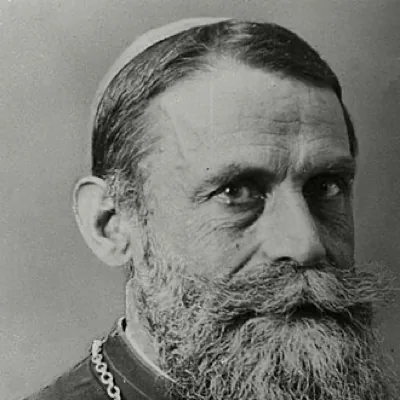
Saint Luigi Versiglia and Saint Callisto Caravario
Salesian protomartyrs
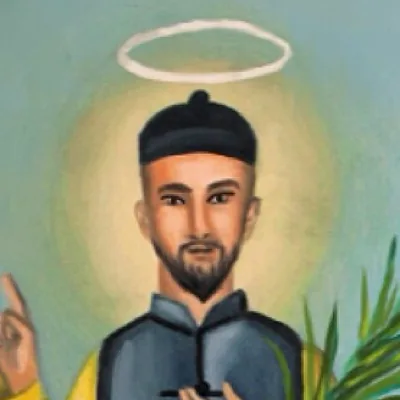
Saint Mark Ji Tianxiang
Opium-addicted physician, martyr of Hebei
Saint Martin Wu Xuesheng
Catechist, martyr of Kaiyang
Saint Matthias Feng De
Neophyte, night watchman of the cathedral, martyr of Taiyuan
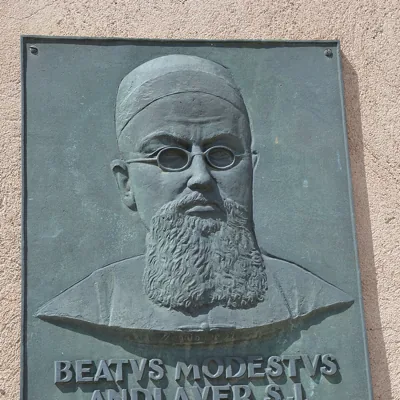
Saint Modeste Andlauer
Alsatian Jesuit, martyr of Wuyi
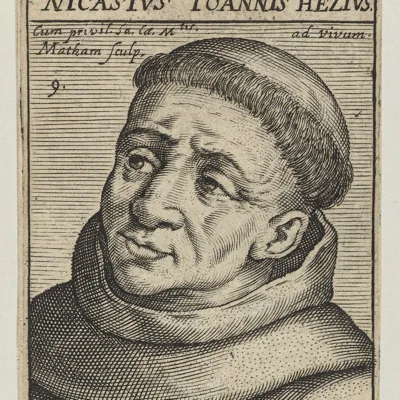
Saint Nicasius of Heeze
Franciscan and theologian, martyr of Gorcum
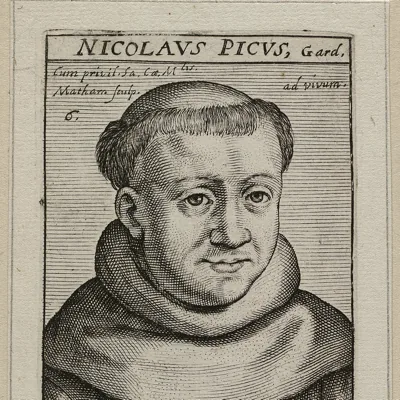
Saint Nicolaus Pieck
Guardian of the Franciscans of Gorcum, martyr
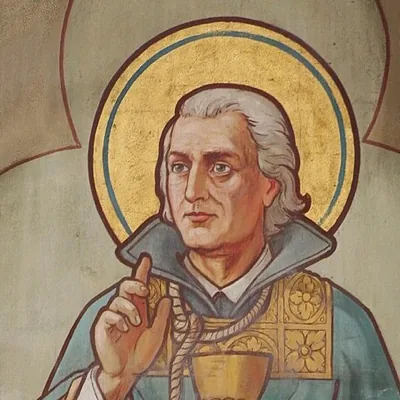
Saint Nicolaus Poppel
Curate of Gorcum, martyr
Saint Patrick Dong Bodi
Seminarian, martyr of Taiyuan
Saint Paul Chen Changpin
Seminarian, martyr of Qingyanzhen
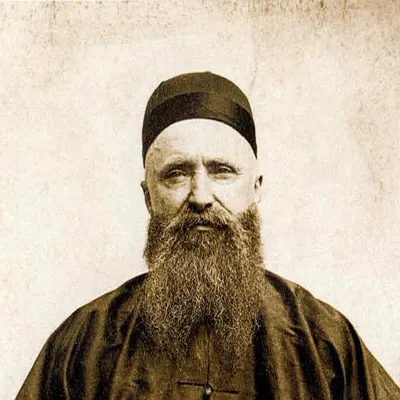
Saint Paul Denn
Jesuit, martyr of Zhujiahe
Saint Paul Liu Hanzuo
Priest, martyr of Chengdu
Saint Peter Liu Wenyuan
Lay catechist, martyr of Guiyang
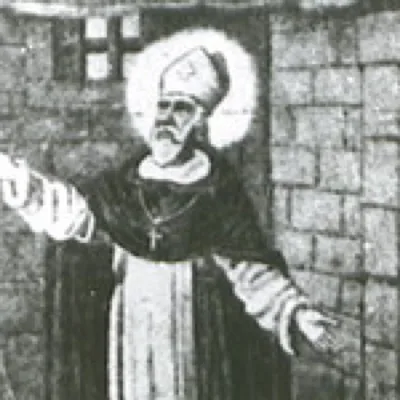
Saint Peter Sanz and Companions
Dominican bishop, martyrs of Fuzhou
Saint Peter Wang Erman
Cook of the seminary, martyr of Taiyuan
Saint Peter Wu Anbang
Catechist and writer, martyr of Taiyuan
Saint Peter Wu Guosheng
Lay catechist, martyr of Zunyi
Saint Peter Zhang Banniu
Mission labourer, martyr of Taiyuan
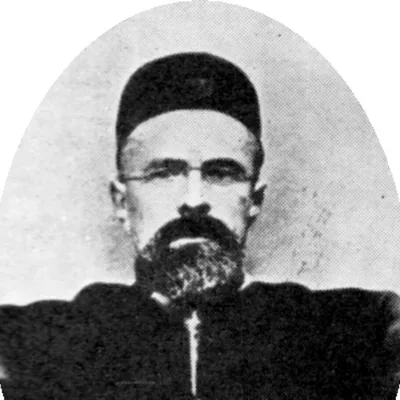
Saint Rémi Isoré
Jesuit from French Flanders, martyr of Wuyi
Saint Simon Chen Ximan
Catechist, martyr of Taiyuan
Saint Thaddeus Liu Ruiting
Priest, martyr of Quxian
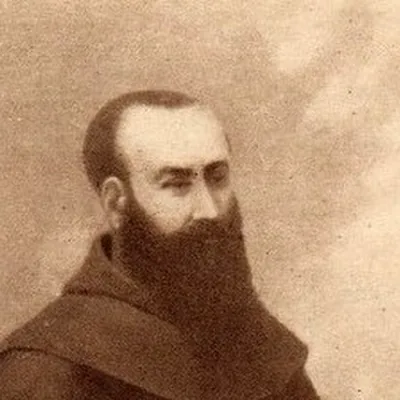
Saint Theodoric Balat
Franciscan from the Tarn, martyr of Taiyuan
Saint Thomas Shen Jihe
Servant of Bishop Grassi, martyr of Taiyuan
Saint Agatha Lin Zhao and Companions
Catechists, martyrs of Maokou
Saint Agnes Cao Guiying
Widow and catechist, martyr of Xilin
Saint Anna Wang
Young martyr of fourteen
Saint Lucy Yi Zhenmei
Virgin and catechist, martyr of Kaiyang
Saint Mary of Peace Giuliani
Franciscan Missionary of Mary, martyr of Taiyuan
Saint Mary of Saint Just Moreau
Franciscan Missionary of Mary, martyr of Taiyuan
Saint Mary of Saint Natalia Kerguin
Franciscan Missionary of Mary, martyr of Taiyuan
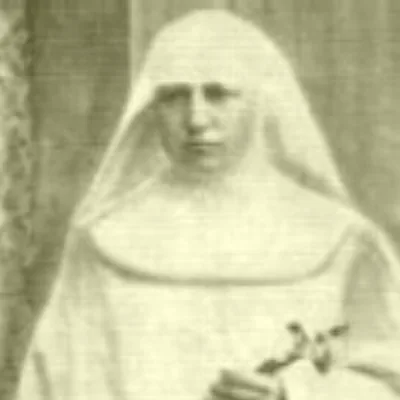
Saint Mary Adolphine Dierkx
Franciscan Missionary of Mary, first Dutch woman martyr
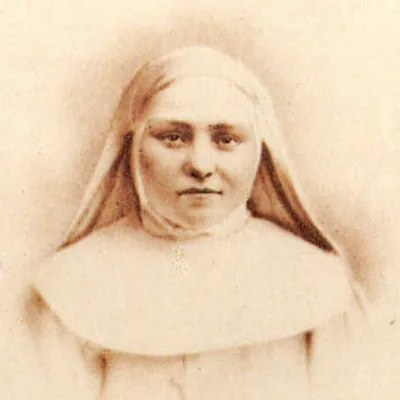
Saint Mary Amandina Jeuris
Franciscan Missionary of Mary, martyr of Taiyuan
Saint Mary Clare Nanetti
Franciscan Missionary of Mary, martyr of Taiyuan
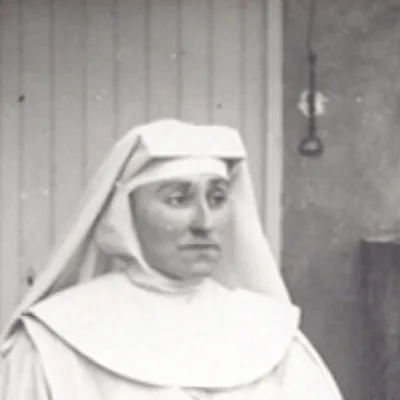
Saint Mary Hermina of Jesus
Franciscan Missionary of Mary, superior of the martyrs of Taiyuan
Saint Martha Wang Luo Mande
Widow, cook of the seminary, martyr of Qingyanzhen
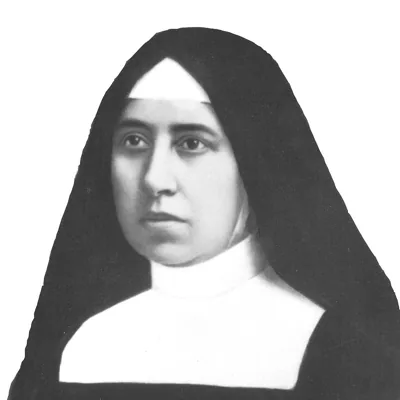
Saint Pauline of the Agonizing Heart of Jesus
First saint of Brazil
Saint Veronica Giuliani
Capuchin Poor Clare, stigmatic mystic
Saints Jean-Pierre Néel, Lucy Yi Zhenmei and Companions
Martyrs of Kaiyang (Kaizhou)
Saints Joseph Zhang Wenlan, Paul Chen Changpin and Companions
Martyrs of Qingyanzhen
Venerable Augustus Tolton
Former slave, first black priest of the United States
Venerable Rose Hawthorne Lathrop
Mother Mary Alphonsa, servant of incurable cancer patients
In the same region
Blessed Helena Stollenwerk
Co-foundress of the Missionary Sisters Servants of the Holy Spirit
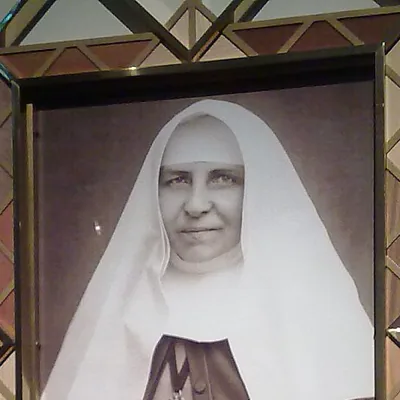
Blessed Josepha Stenmanns
Co-foundress of the Missionary Sisters Servants of the Holy Spirit
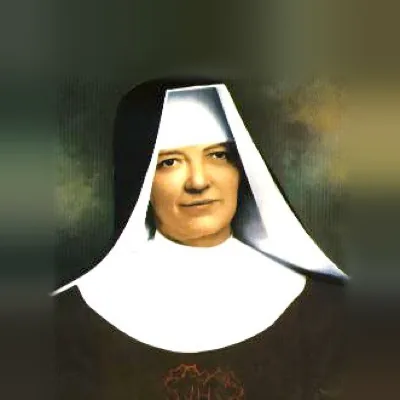
Blessed Maria Teresa Tauscher
Foundress of the Carmelites of the Divine Heart of Jesus