
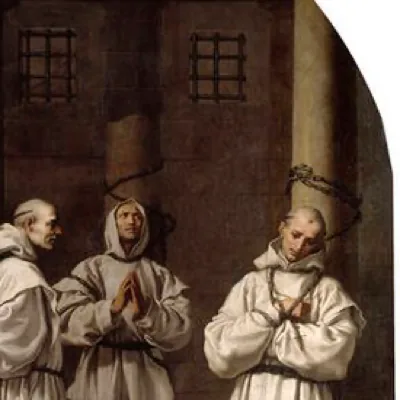
Eighteen Carthusians of London, Beauvale and Axholme, hanged at Tyburn or at York, or starved to death in chains at Newgate, for refusing Henry VIII’s religious supremacy (1535–1540).
At the beginning of the sixteenth century the London Charterhouse enjoyed immense prestige: people came there to seek counsel, and Thomas More lived there four years in retreat. When Henry VIII proclaimed himself Supreme Head of the Church of England, the government wished to obtain the public adherence of these monks; faced with their refusal, it set about breaking up the community. On 4 May 1535, the prior John Houghton and the priors of Beauvale and Axholme, Robert Lawrence and Augustine Webster, were hanged, drawn and quartered at Tyburn; on 19 June followed Humphrey Middlemore, William Exmew and Sebastian Newdigate, after thirteen days chained standing.
In May 1537, John Rochester and James Walworth, exiled to the charterhouse of Hull, were hanged in chains from the ramparts of York. On 29 May, ten monks and lay brothers who refused the oath of supremacy were thrown into Newgate prison, tied standing to posts, their hands behind their backs: Margaret Clement, the adopted daughter of Thomas More, fed them for a time in secret, disguised as a milkmaid. Nine died there of hunger and disease between June and September 1537; the last, the lay brother William Horne, was executed at Tyburn on 4 August 1540.
Leo XIII beatified the eighteen Carthusians by the decree of 29 December 1886; the three priors of 4 May 1535 were canonised by Paul VI on 25 October 1970 among the Forty Martyrs of England and Wales. Vicente Carducho painted their martyrdom for the charterhouse of El Paular, in Spain, and a plaque recalls their memory at Charterhouse Square, where a commemoration is held every 4 May.
Celebrated on the same day
Blessed Edvige Carboni
Stigmatised mystic of Sardinia
Blessed Sandra Sabattini
Medical student, friend of the poor
Blessed Emilio Moscoso
First martyr of Ecuador
Blessed George Haydock and his Eighty-Four Companions
Martyrs of England, Scotland and Wales beatified in 1987
Blessed Jean-Martin Moye
Founder of the Sisters of Providence, missionary in China
Blessed Thomas Hemerford and 106 Companions
Martyrs of England and Wales beatified in 1929
Saint Augustine Webster
Carthusian prior of Axholme, martyr
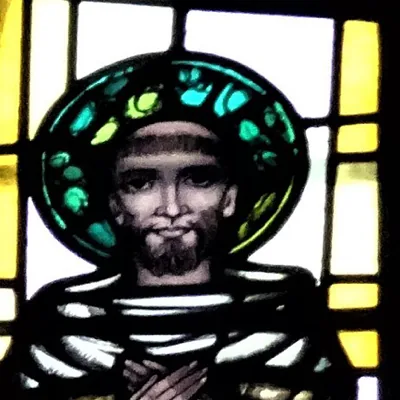
Saint Conleth of Kildare
First Bishop of Kildare
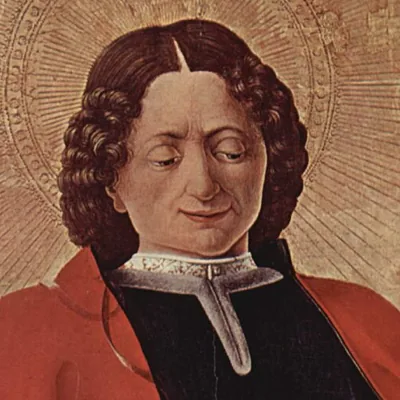
Saint Florian
Martyr of Lauriacum, protector against fire
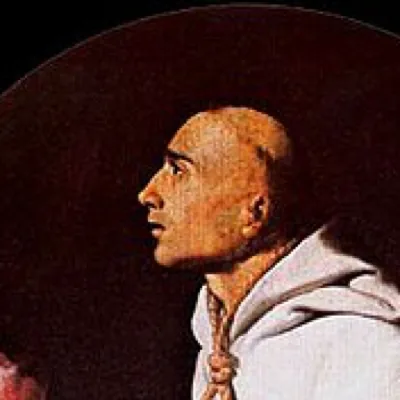
Saint John Houghton
Prior of the London Charterhouse, protomartyr of the Reformation
Saint Richard Reynolds
Brigittine monk, “the angel of Syon”
Saint Robert Lawrence
Prior of the Charterhouse of Beauvale, martyr
Saint Silvanus of Gaza
Bishop, martyr in the mines of Phaeno with thirty-nine companions
Saints Agapius and Secundinus
Exiled bishops, martyrs at Cirta
In the same region
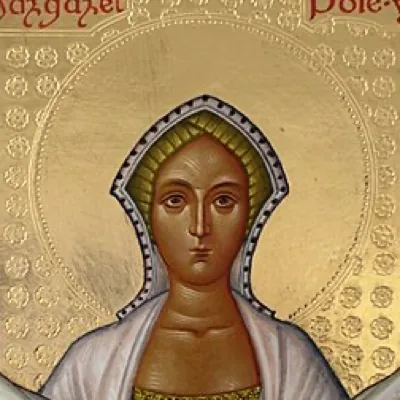
Blessed Margaret Pole
Countess of Salisbury, martyr
Blessed Adrian Fortescue
Knight of Malta, Dominican tertiary, martyr
Blessed Dominic Barberi
Passionist, apostle of England