
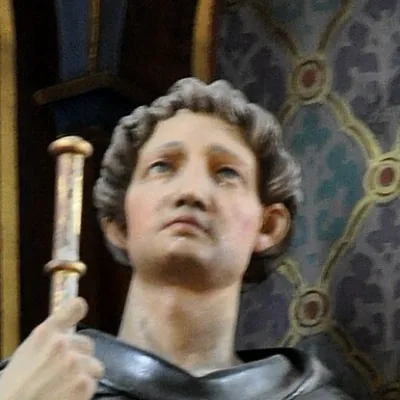
A hermit of the Limousin whose Life, written in the eleventh century, makes him a Frankish nobleman and liberator of captives; he is venerated at Saint-Léonard-de-Noblat and was invoked by prisoners throughout Europe.
Almost nothing is known of Leonard: no mention of him exists before 1028, the date at which the chronicler Adémar of Chabannes and Bishop Fulbert of Chartres cite him. His Life, written in the eleventh century, no doubt at the instigation of Jordan of Laron, bishop of Limoges, makes him a Frankish nobleman of the court of Clovis, converted by Saint Remigius in 496, who obtained from the king the right to visit and free the prisoners he judged worthy of it. His death is traditionally placed around 559.
According to this account, he refused the episcopate, entered the monastery of Micy, near Orléans, then withdrew as a hermit into a forest of the Limousin, where disciples joined him. Having obtained by his prayer the happy delivery of the queen, he received from the king the estate of Noblac, where he founded a monastery. Captives who invoked him saw their chains break and came to offer him their irons; many stayed with him to clear the forest and to find an honest life again.
His cult spread from the end of the eleventh century, especially after the release of Bohemond of Taranto in 1103, which he attributed to his intercession and for which he came to bring offerings to Noblac. Richard the Lionheart in 1193, then Charles VII in 1438, visited his tomb. A stage on the roads to Santiago, Saint-Léonard-de-Noblat, whose coat of arms bears prisoners’ irons, made his cult shine in England, in the Germanic countries and as far as Poland.
Celebrated on the same day
Blessed Ángel Marina Álvarez and his Companions
Dominican martyrs of Almagro, Almería and Huéscar
Blessed Antonio Arribas Hortigüela and Companions
Martyrs of Canet de Mar, Missionaries of the Sacred Heart
Blessed Cayetano Giménez Martín and Companions
Sixteen martyrs of Granada and Málaga
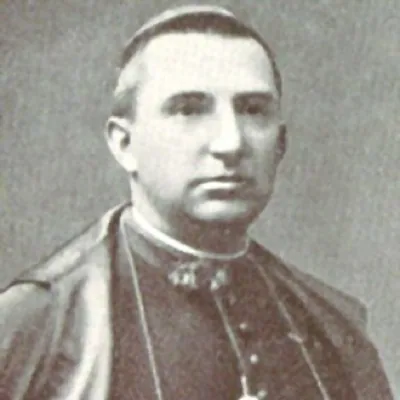
Blessed Cruz Laplana y Laguna
Bishop of Cuenca, martyr
Blessed Joan Huguet Cardona
Young priest of Menorca, martyr
Blessed José María Fernández Sánchez, Vicenç Queralt and Companions
Sixty martyrs of the Vincentian family
Blessed Juan Torres Torres and Companions
Martyrs of Ibiza and Formentera, diocesan priests
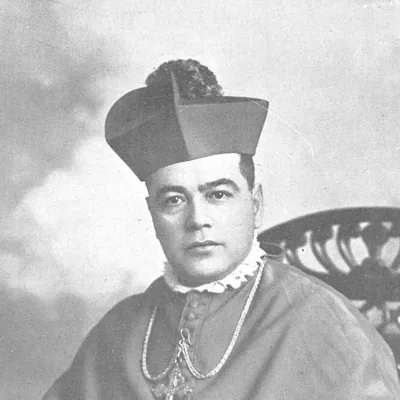
Blessed Manuel Basulto Jiménez and Companions
Bishop of Jaén and five martyrs of his diocese
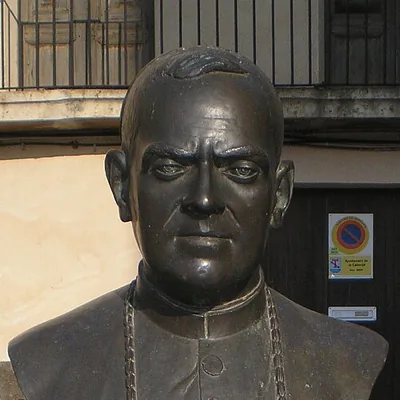
Blessed Manuel Borràs i Ferré and Companions
Martyrs among the clergy and religious of the Archdiocese of Tarragona
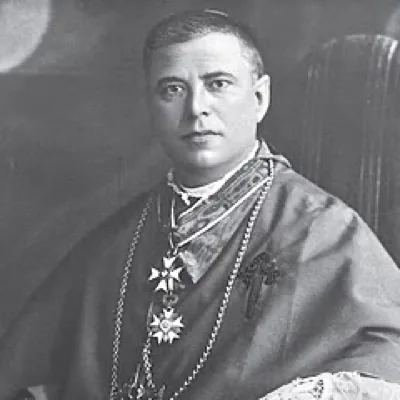
Blessed Narciso de Esténaga Echevarría and Companions
Bishop-prior of Ciudad Real and ten martyrs of his diocese
Blessed Salvi Huix Miralpeix
Oratorian, bishop of Lleida, martyr
Saint Callinicus and Companions
Soldiers of Gaza, martyrs in Jerusalem
Saint Illtud
Abbot of Llanilltud Fawr
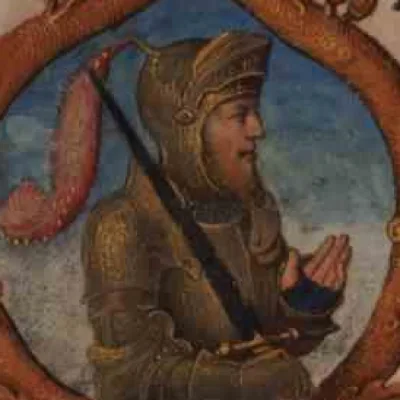
Saint Nuno of Saint Mary
Constable of Portugal, Carmelite brother
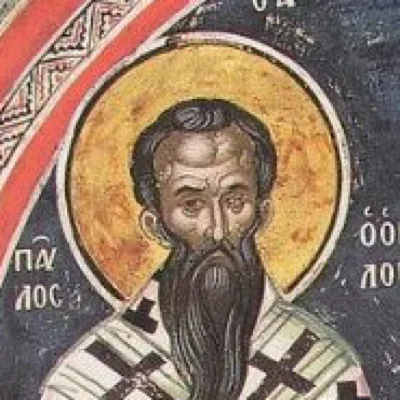
Saint Paul of Constantinople
Bishop of Constantinople, martyr
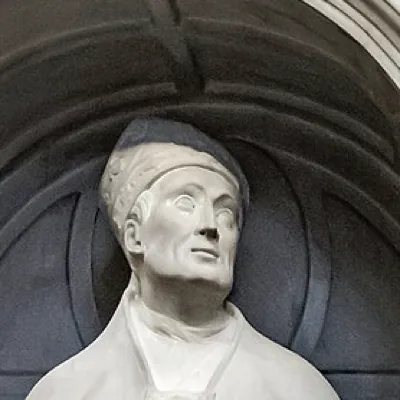
Saint Severus of Barcelona
Bishop of Barcelona and martyr
In the same region
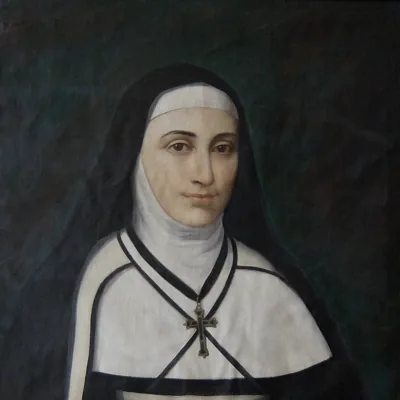
Blessed Adèle de Batz de Trenquelléon
Foundress of the Daughters of Mary Immaculate
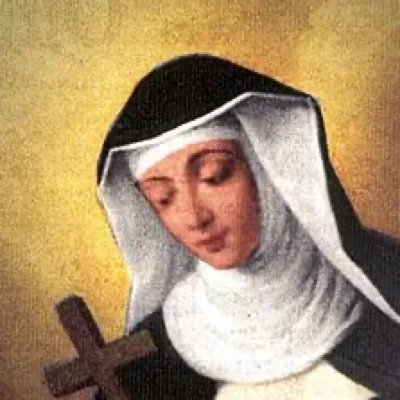
Blessed Agnes of Langeac
Dominican mystic of the Velay
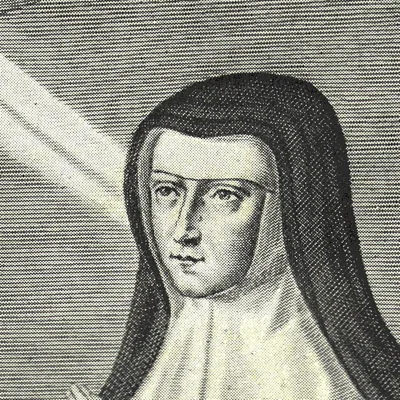
Blessed Alix Le Clerc
Foundress of the Congregation of Notre Dame