

A deacon of Pope Sixtus II, martyred at Rome in 258 under Valerian, he presented the poor as the “treasures of the Church”; he is one of the most venerated martyrs of Rome.
Lawrence was one of the seven deacons of Rome in the time of Pope Sixtus II; an ancient tradition, above all Spanish, has him born at Huesca, in Aragon. In August 258, Valerian’s edict struck at the clergy: Sixtus II was executed on 6 August and Lawrence died four days later, on 10 August, the date recorded by the Depositio martyrum of 354. Saint Ambrose reports that he asked to follow his bishop in death, and that, ordered to hand over the treasures of the Church which he administered, he presented the poor whom he assisted: “Here are the treasures of the Church.”
Ambrose, then the poet Prudentius and Saint Leo the Great, relate that he was burned on a gridiron; many historians think that he was rather beheaded, like Sixtus II, in accordance with the imperial edict, but the gridiron has become his attribute. He was buried in the Verano cemetery, on the Via Tiburtina, where Constantine had a basilica built, rebuilt by Pelagius II and then Honorius III: this is Saint Lawrence outside the Walls, one of the seven pilgrimage churches of Rome.
Named in the Roman Canon of the Mass, he is one of the patrons of Rome. In Spain, Philip II dedicated the Escorial to him in memory of the victory of Saint-Quentin, won on 10 August 1557. The shooting stars of mid-August are called in several countries “the tears of Saint Lawrence”.
Explore the 14 moments of their life →
It is done on this side: turn me over and eat.
Celebrated on the same day
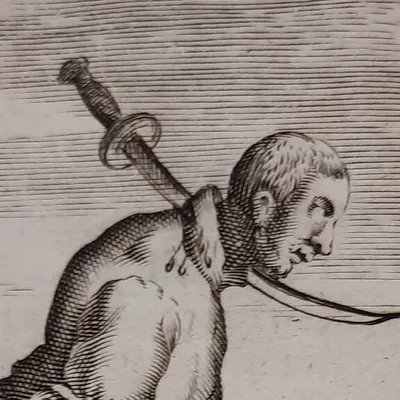
Blessed Augustine Ōta
Catechist received as a Jesuit in prison, martyr of the island of Iki
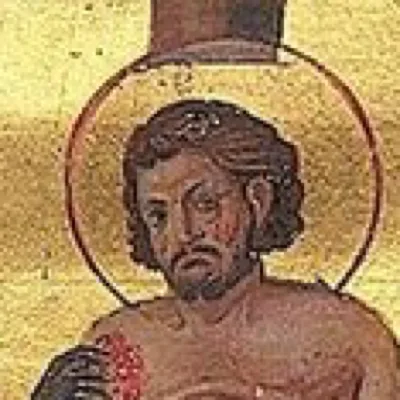
Holy Martyrs of Alexandria under Valerian
Martyrs and confessors, companions of Saint Dionysius
In the same region
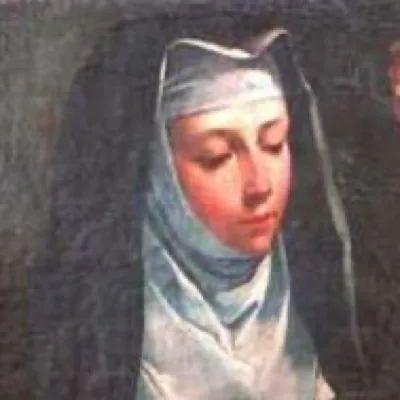
Blessed Angelina of Marsciano
Foundress of the Franciscan Sisters of the Third Order Regular
Blessed Anna Rosa Gattorno
Widow, foundress of the Daughters of St Anne
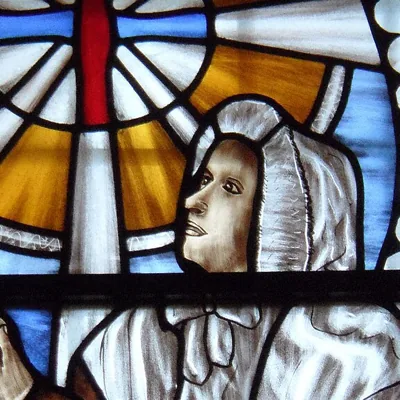
Blessed Anna Maria Taigi
Mother of a family and Roman mystic