
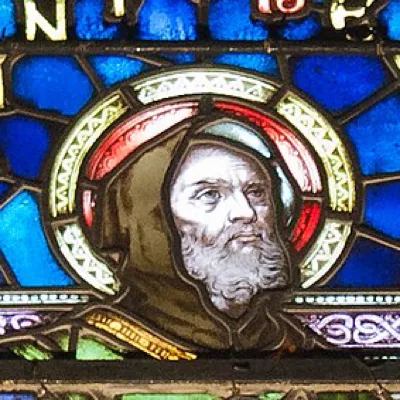
A hermit who withdrew to the valley of the two lakes, in the heart of the Wicklow Mountains, he founded the monastery of Glendalough there, which became one of the great pilgrimage sites of Ireland.
No contemporary document speaks of Cóemgen, “the well-born”, whom English calls Kevin. His late Latin Life, edited in the seventeenth century by John Colgan, makes him the son of a noble family of Leinster, baptised by Saint Cronan and trained by monks before being ordained priest; its first editor himself considered several of its marvellous stories doubtful.
Fleeing the disciples who sought him out, he withdrew to the valley of Glendalough, “the valley of the two lakes”. According to tradition, he lived there for seven years as a hermit, clothed in skins, sleeping in a hollow cut into the cliff above the upper lake, still called “Saint Kevin’s Bed”. In the twelfth century Gerald of Wales recorded the most famous legend about him: a blackbird having made her nest in his outstretched hand while he prayed, he is said to have remained motionless until the young birds flew.
The disciples eventually joined him and a monastery formed near the lower lake. Kevin governed it until his death, around 618 according to the Irish annals; he is said to have reached a very great age. Glendalough, with its round tower and its “seven churches”, became one of the great monastic centres and one of the first places of pilgrimage in the country; Saint Laurence O’Toole was its abbot in the twelfth century. Kevin is one of the patrons of the archdiocese of Dublin, and Seamus Heaney’s poem “St Kevin and the Blackbird” has made his legend known far beyond Ireland.
Celebrated on the same day
Saint Achilles Kiwanuka
Martyr of Uganda, page of Mwanga II
Saint Adolphus Mukasa Ludigo
Martyr of Uganda, steward of the royal gardens
Saint Ambrose Kibuuka
Martyr of Uganda, page of Mwanga II
Saint Anatolius Kiriggwajjo
Martyr of Uganda, page from Toro
Saint Bruno Sserunkuuma
Martyr of Uganda, converted from violence and drunkenness
Saint Caecilius of Carthage
Priest, spiritual father of Saint Cyprian
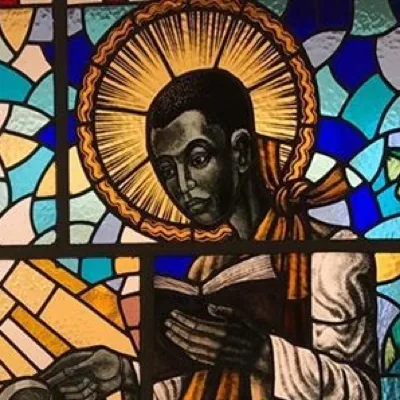
Saint Charles Lwanga and Companions
Martyrs of Uganda
Saint Gyavira Musoke
Martyr of Uganda, page and messenger
Saint Isaac of Córdoba
Monk of Tábanos, martyr
Saint James Buuzabalyawo
Martyr of Uganda, musician of the royal band
Saint John Grande
Hospitaller brother, “John the Sinner”
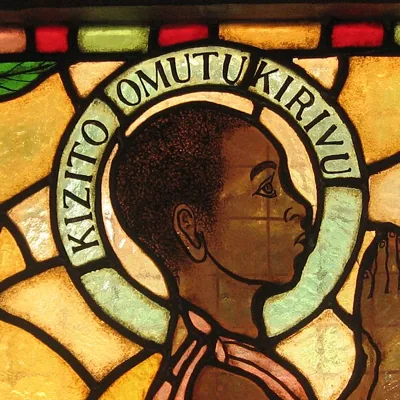
Saint Kizito
The youngest of the Martyrs of Uganda
Saint Luke Banabakintu
Martyr of Uganda, blacksmith and catechist of Mityana
Saint Mbaga Tuzinde
Martyr of Uganda, nephew of the chief executioner
Saint Mugagga Lubowa
Martyr of Uganda, page and craftsman
Saint Mukasa Kiriwawanvu
Martyr of Uganda, baptised in his blood
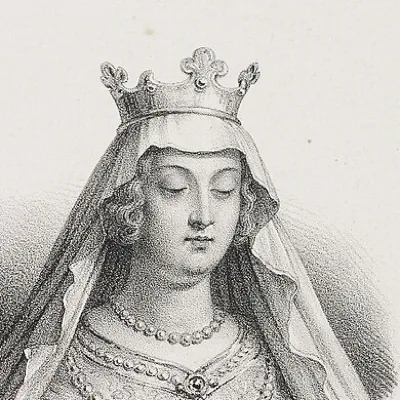
Saint Clotilde
Queen of the Franks, wife of Clovis
Venerable Ismael Perdomo
Archbishop of Bogotá
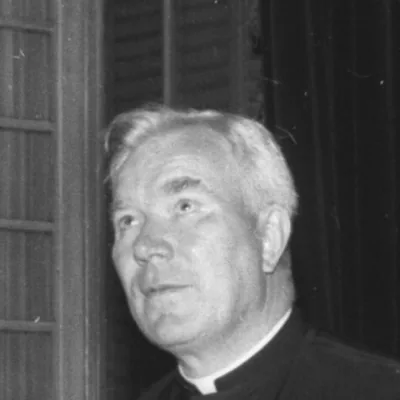
Venerable Patrick Peyton
The priest of the family rosary
In the same region
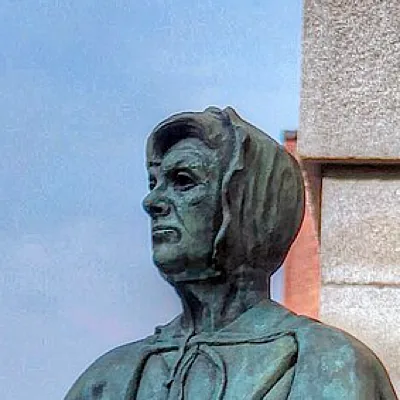
Blessed Margaret Ball
Former Lady Mayoress of Dublin, who died in prison
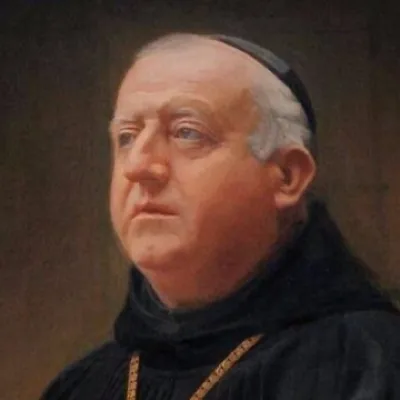
Blessed Columba Marmion
Abbot of Maredsous, spiritual master
Blessed Dermot O’Hurley
Archbishop of Cashel, martyr