
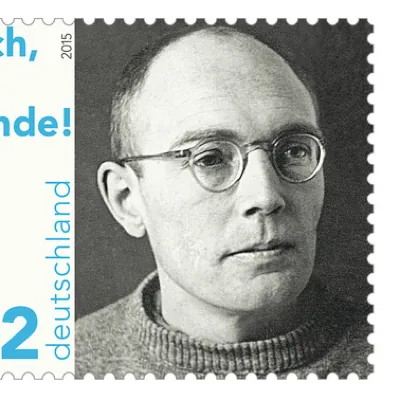
A leader of Catholic youth in Kleve, arrested as a deacon in 1939, he was secretly ordained priest in Dachau camp and died of tuberculosis shortly after the liberation.
Born in 1915 at Rees and brought up in Kleve, on the Lower Rhine, Karl Leisner led groups of young Catholics, organised camps and hikes in spite of Nazi prohibitions, and became diocesan youth leader at Münster. Close to the Schoenstatt movement, he was ordained deacon in March 1939, but tuberculosis sent him to a sanatorium at Sankt Blasien, in the Black Forest.
On 9 November 1939, a remark about the failed attempt on Hitler’s life, reported by another patient of the sanatorium, led to his arrest. Imprisoned at Freiburg, then at Sachsenhausen, he was transferred to Dachau in December 1940. On 17 December 1944, in the priests’ barracks, the bishop of Clermont, Gabriel Piguet, himself a deportee, ordained him priest in secret; he celebrated his first and only Mass on 26 December.
Freed on 4 May 1945, and dying, he passed away on 12 August at the Planegg sanatorium, near Munich. John Paul II beatified him in Berlin in 1996, together with Bernhard Lichtenberg; he rests in the martyrs’ crypt of Xanten Cathedral.
Bless also, O Most High, my enemies!
Celebrated on the same day
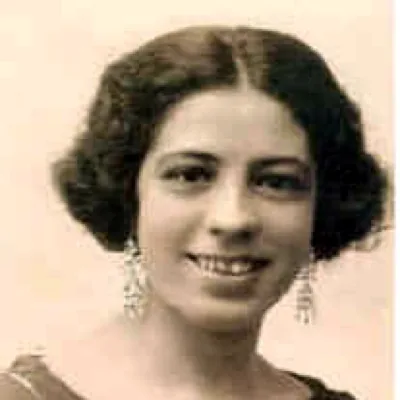
Blessed Victoria Díez
Schoolteacher of Hornachuelos, martyr
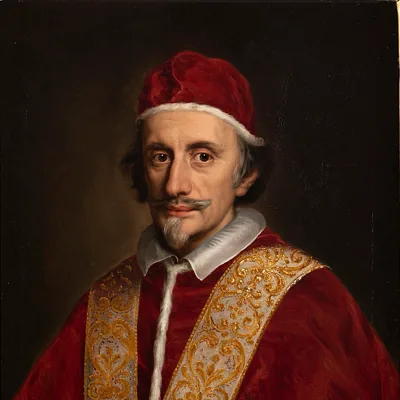
Blessed Innocent XI
Reforming pope, architect of the liberation of Vienna
Blessed Isidore Bakanja
Lay catechist, martyr of the scapular
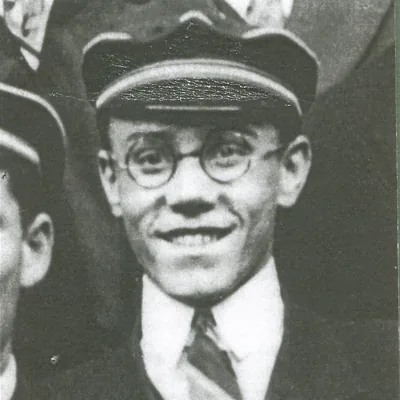
Blessed Maurice Tornay
Canon of the Great Saint Bernard, martyr of Tibet
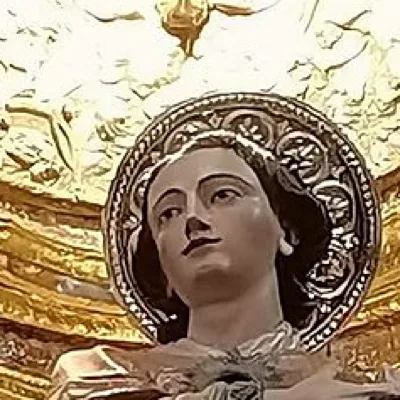
Saint Euplius
Deacon and martyr of Catania
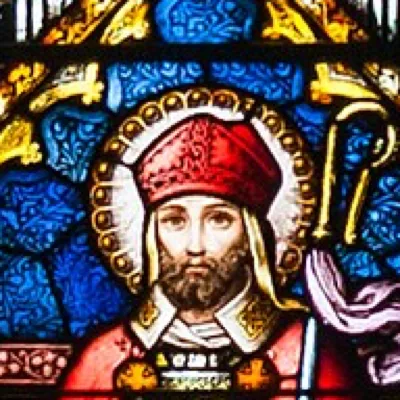
Saint Muredach of Killala
First bishop of Killala
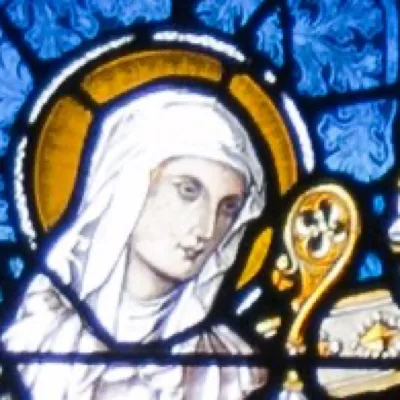
Saint Attracta
Abbess of Killaraght
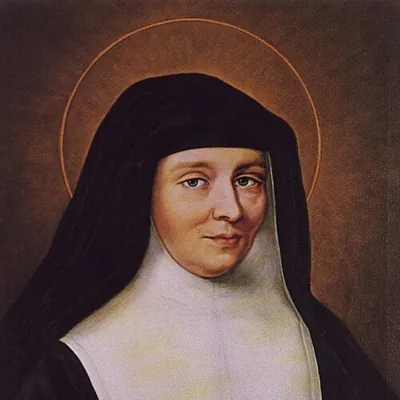
Saint Jane Frances de Chantal
Foundress of the Visitation
Saint Lelia of Killeely
Virgin of the diocese of Limerick
Saints Porcarius and Companions
Abbot and monk martyrs of Lérins
In the same region
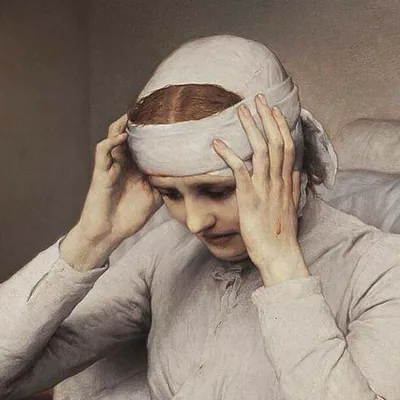
Blessed Anne Catherine Emmerich
The stigmatic of Dülmen
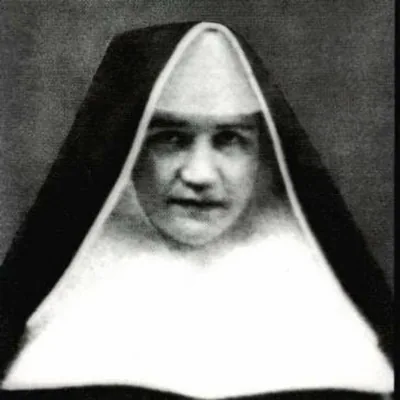
Blessed Blandine Merten
Ursuline, schoolteacher of the Saarland and Trier
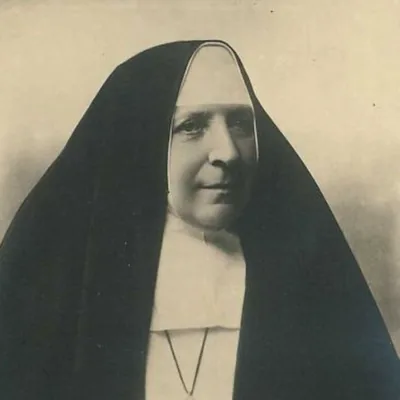
Blessed Clara Fey
Foundress of the Sisters of the Poor Child Jesus