

A young Christian woman of Padua martyred around 304 under Maximian, patroness of the city, whose basilica houses a great Benedictine abbey; Venice attributed to her the victory of Lepanto, won on her feast day.
Little is known of her life. According to her late Passion, Justina was a young girl of Padua, baptised by Saint Prosdocimus, who refused to sacrifice to the gods during the persecution of Maximian and died pierced by a sword around 304. Her cult is ancient: in the sixth century the poet Venantius Fortunatus was already recommending pilgrimage to her tomb at Padua.
Over her burial place rose the basilica of Santa Giustina, the heart of a Benedictine abbey whose reform, in the fifteenth century, gave birth to a congregation that renewed Italian monasticism. As the Christian victory of Lepanto was won on 7 October 1571, her feast day, Venice credited her with a share in it and celebrated her solemnly every year.
Celebrated on the same day
Blessed Ángel Cuartas Cristóbal and Companions
Seminarian martyrs of Oviedo
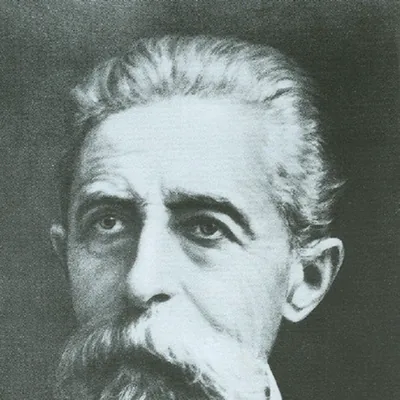
Blessed Giuseppe Toniolo
Economist, architect of the Catholic social movement
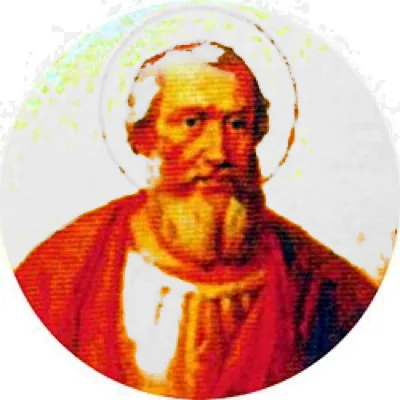
Saint Mark, Pope
Pope in 336, builder of San Marco at the Capitol
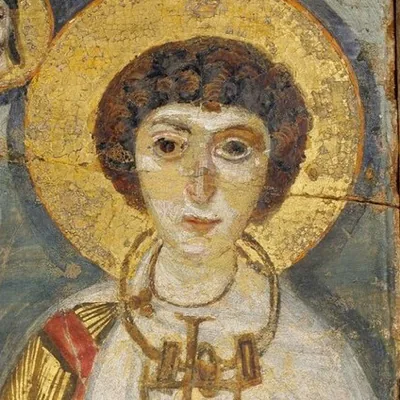
Saints Sergius and Bacchus
Roman officers, martyrs
In the same region
Blessed Angelina of Marsciano
Foundress of the Franciscan Sisters of the Third Order Regular
Blessed Anna Rosa Gattorno
Widow, foundress of the Daughters of St Anne
Blessed Anna Maria Taigi
Mother of a family and Roman mystic