
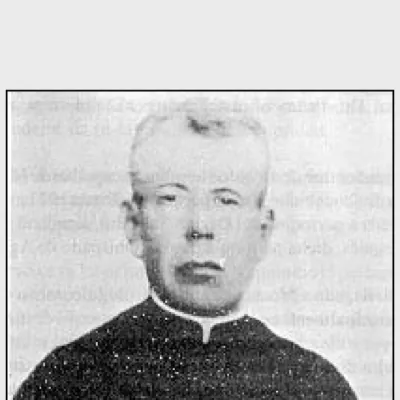
The son of a poor family of Guadalajara, a country priest at Mechoacanejo for his whole priestly life, arrested on his way to say Mass and shot on a rubbish heap at San Julián in 1927.
Born at Guadalajara on 20 December 1866 into a modest family, Julio Álvarez Mendoza entered the conciliar seminary in 1880 thanks to the help of his father's employers. Ordained priest on 2 December 1894 by Archbishop Pedro Loza y Pardavé, he was sent to Mechoacanejo, in northern Jalisco, of which he remained pastor until his death. There he taught craft trades to his parishioners and, having learned the tailor's trade, himself sewed clothes for the poorest.
After the suspension of public worship in 1926, he chose to remain among his faithful. On 26 March 1927 soldiers recognised him and arrested him on the road to a ranch where he was going to celebrate Mass; he was dragged to Villa Hidalgo, Aguascalientes and León, then to San Julián. On 30 March 1927 he was placed on a rubbish heap to be shot: he declared that he was dying innocent and forgave his executioners, crossed his arms and waited for the volley.
The inhabitants gathered his body and buried it at San Julián; his remains were later brought back to Mechoacanejo. Beatified in 1992, he was canonised by John Paul II on 21 May 2000 with Cristóbal Magallanes and his companions.
I am going to die innocent. I have done no wrong. My crime is to be a minister of God. I forgive you.
Celebrated on the same day
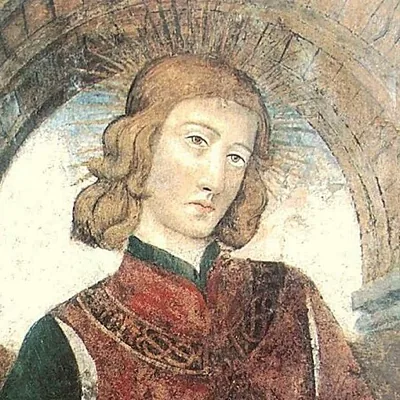
Blessed Amadeus IX of Savoy
Duke of Savoy
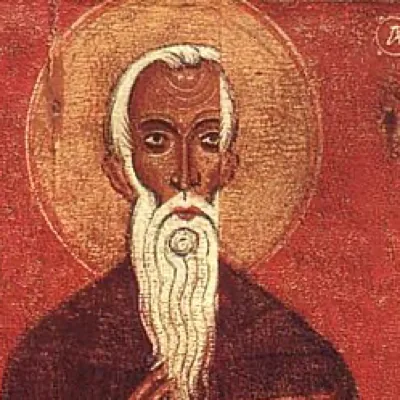
Saint John Climacus
Hegumen of Sinai, author of The Ladder of Divine Ascent
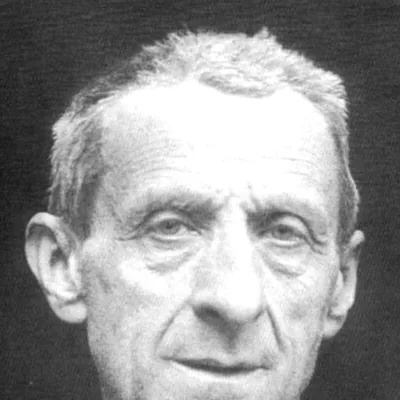
Saint Leonard Murialdo
Priest of Turin, founder of the Josephites
Saint Ludovic of Casoria
Franciscan, apostle of charity in Naples
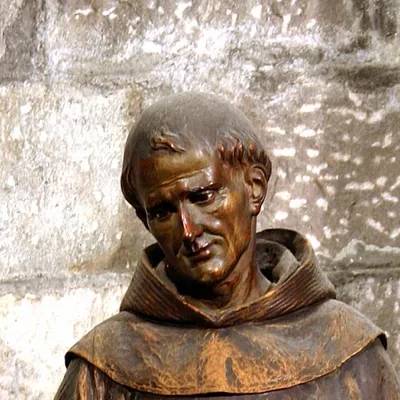
Saint Peter Regalado
Franciscan reformer, patron of Valladolid
Saint Secundus of Asti
Martyr, patron of Asti
Saint Zosimus of Syracuse
Keeper of the tomb of Saint Lucy, Bishop of Syracuse
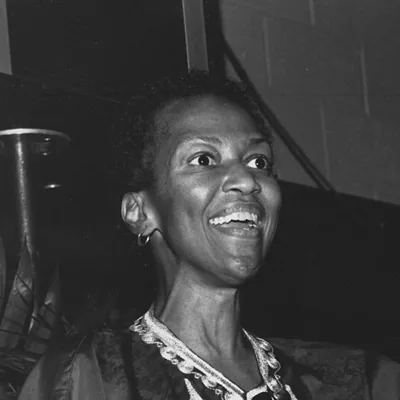
Servant of God Thea Bowman
Franciscan sister, voice of Black Catholics
In the same region
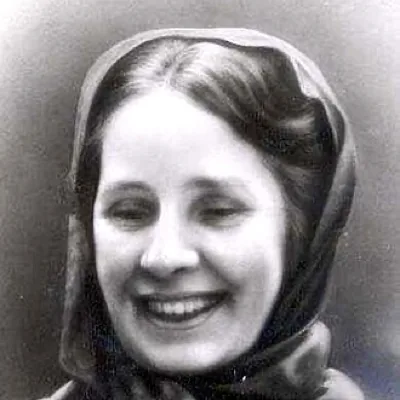
Blessed Concepción Cabrera de Armida
Conchita, mother of a family and mystic
Blessed Dina Bélanger
Pianist and mystic of Jesus and Mary
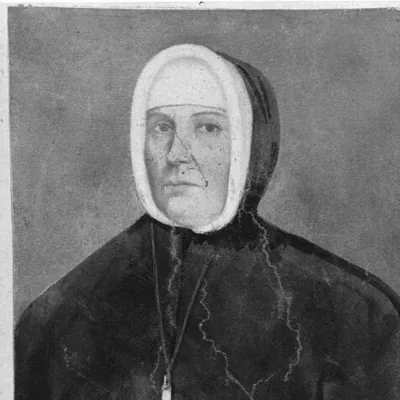
Blessed Émilie Tavernier-Gamelin
Foundress of the Sisters of Providence