
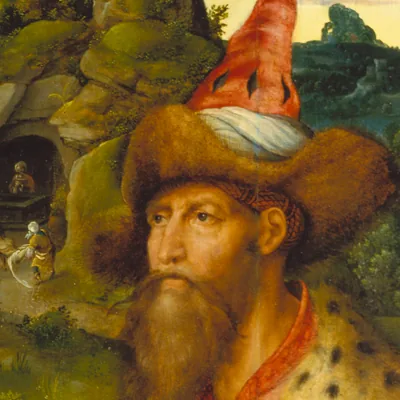
A member of the Sanhedrin and a secret disciple of Jesus, he obtained the body of the Crucified from Pilate and laid it in his own new tomb, hewn out of the rock.
All four Gospels name him. A native of Arimathea, “a town of the Jews”, he was a “respected member of the council” (Mark 15:43), “a good and righteous man” who had not agreed to the decision of the others and “was waiting for the kingdom of God” (Luke 23:50-51); Saint John adds that he was a disciple of Jesus, “but secretly, for fear of the Jews” (John 19:38).
On the evening of Good Friday he dared to go to Pilate to ask for the body of Jesus. With Nicodemus he took it down from the cross, wrapped it in a linen shroud with spices and laid it in a new tomb which he had had hewn out of the rock, in a garden near Calvary, then rolled a great stone across the entrance (Matthew 27:57-60). The Basilica of the Holy Sepulchre preserves this tomb; a Syriac chapel there shows tombs cut in the rock, said to be those of Joseph of Arimathea and Nicodemus. Medieval legends made him guardian of the Grail and apostle of Glastonbury in England.
Celebrated on the same day
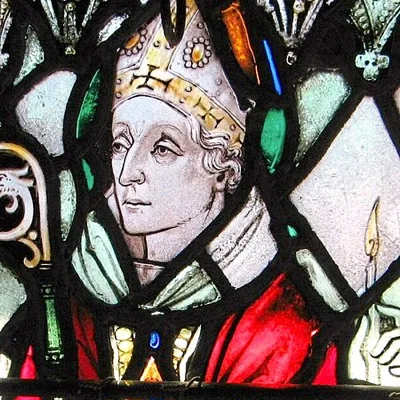
Saint Aidan of Lindisfarne
Monk of Iona, apostle of Northumbria
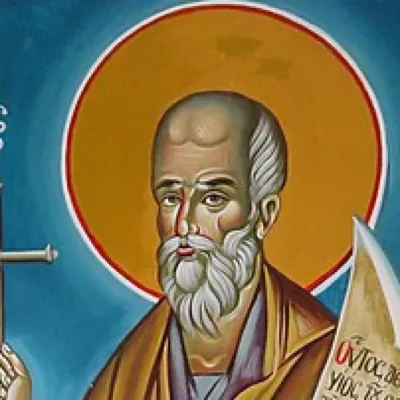
Saint Aristides of Athens
Philosopher, apologist
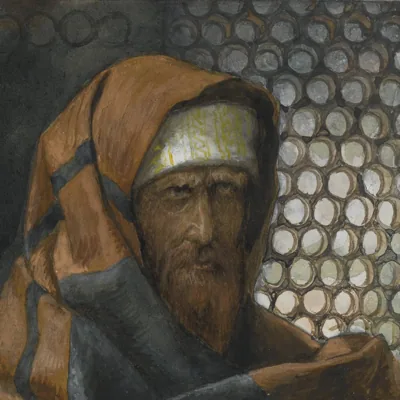
Saint Nicodemus
Pharisee, disciple by night
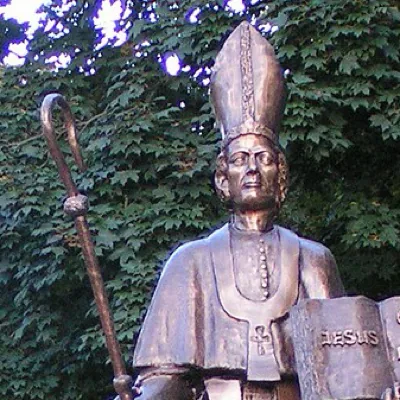
Saint Paulinus of Trier
Bishop of Trier, died in exile for the faith of Nicaea
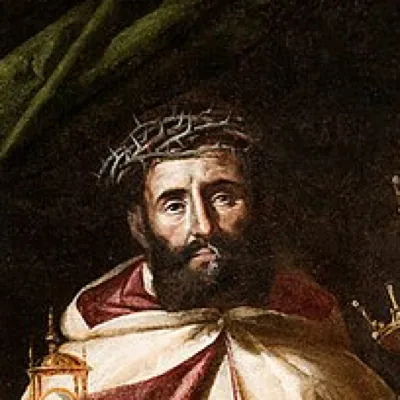
Saint Raymond Nonnatus
Mercedarian, hostage for the captives
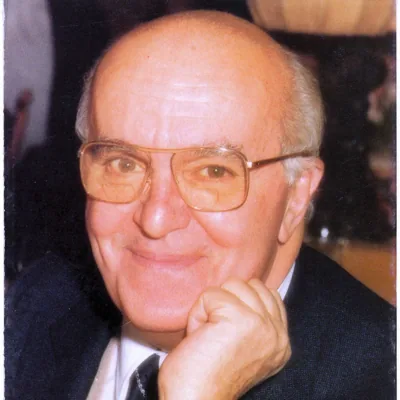
Venerable Marcello Candia
The industrialist of the lepers of Amazonia
In the same region
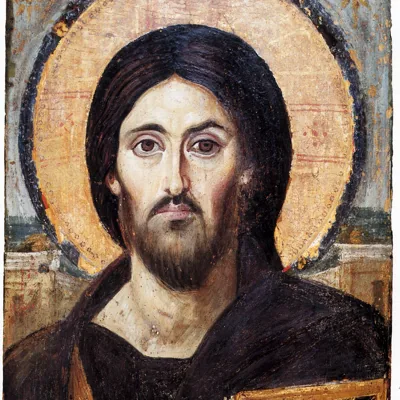
Jesus Christ
The Holy of Holies, the Word made flesh
The Fifty Martyrs of Eleutheropolis
Soldiers of Gaza, martyrs of the Arab conquest
The Franciscan Martyrs of Jerusalem
Friars of the Custody of the Holy Land, martyrs in 1391