
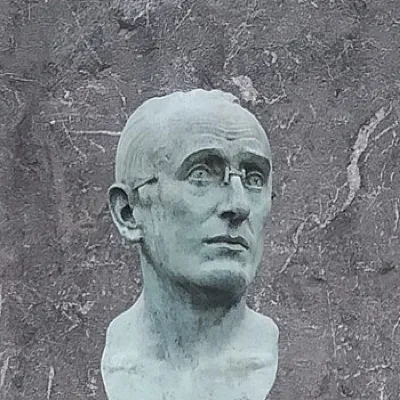
Curate of Mondragón from 1941, he trained generations of young workers and inspired the cooperatives that gave rise to the Mondragon Corporation, in the name of the social teaching of the Church.
Born on 22 April 1915 in the hamlet of Barinaga, at Markina in Biscay, José María Arizmendiarrieta entered the seminary of Vitoria. During the civil war he served in the Basque army as an editor of the Basque-language daily “Eguna”; arrested after the fall of Bilbao in 1937, he narrowly escaped execution at the end of a summary court martial. Back at the seminary, he celebrated his first Mass on 1 January 1941 and was sent in February to Mondragón, a small industrial town of Gipuzkoa worn down by the war.
Chaplain of Catholic Action, in 1943 he founded a vocational school open to the sons of all workers, then urged his best pupils towards engineering studies. For him, “to create cooperatives, one must train co-operators”: five of these young men founded Ulgor in 1956, the first industrial cooperative, followed in 1959 by the Caja Laboral Popular and dozens of others. From this arose the Mondragon Corporation, one of the first cooperative groups in the world.
He died at Mondragón on 29 November 1976. His cause, whose diocesan phase ended in 2009, led on 14 December 2015 to the decree by which Pope Francis recognised his heroic virtues.
Celebrated on the same day
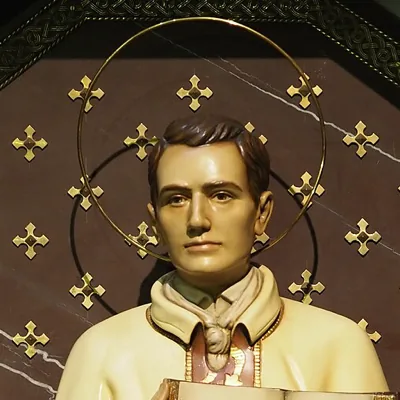
Blessed Bernardo Francisco de Hoyos
First apostle of the Sacred Heart in Spain
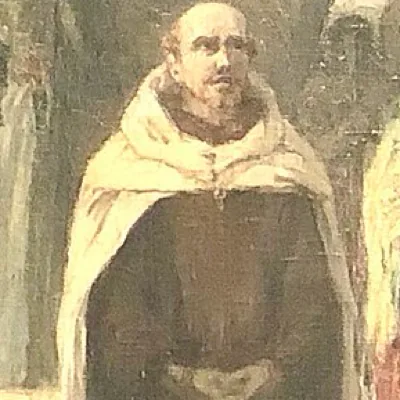
Blessed Denis of the Nativity and Redemptus of the Cross
Discalced Carmelites, martyrs in Aceh
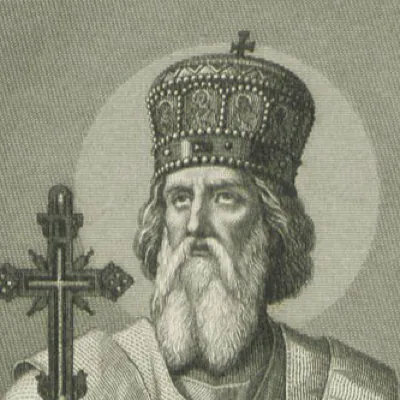
Saint Abibos of Nekresi
Bishop, one of the Thirteen Syrian Fathers, martyr
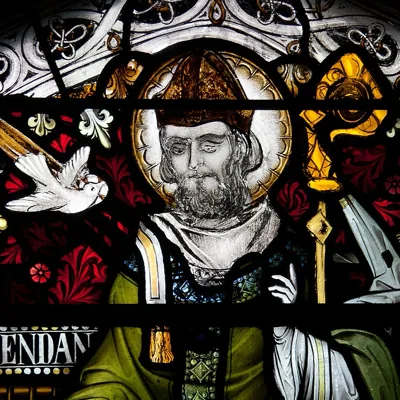
Saint Brendan of Birr
Abbot of Birr, “prophet of Ireland”
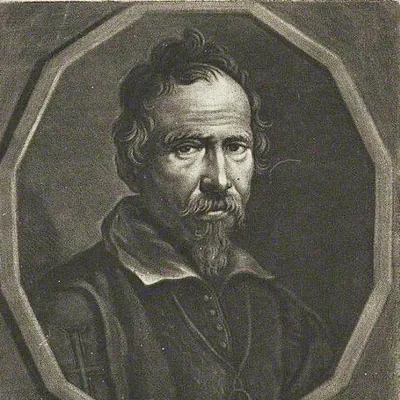
Saint Cuthbert Mayne
Protomartyr of the seminary priests
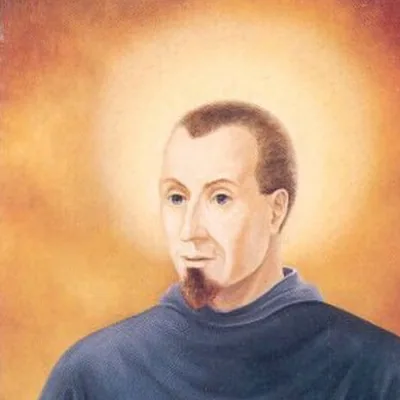
Saint Francis Anthony Fasani
Conventual Franciscan, ‘Father Master’ of Lucera
Saint James of Sarug
Bishop of Batnae, poet
Saint Radboud of Utrecht
Bishop of Utrecht, poet
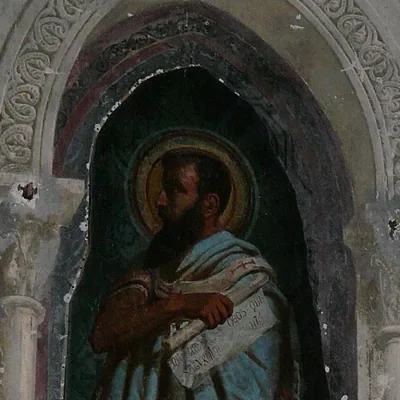
Saint Saturninus of Toulouse
First bishop of Toulouse, martyr
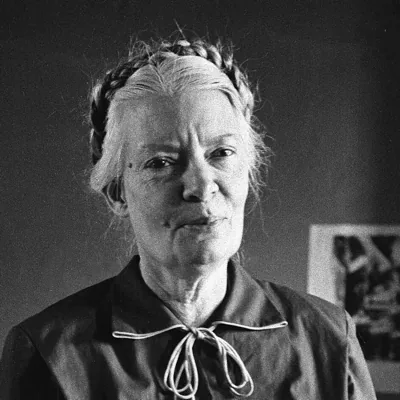
Servant of God Dorothy Day
Co-founder of the Catholic Worker
In the same region
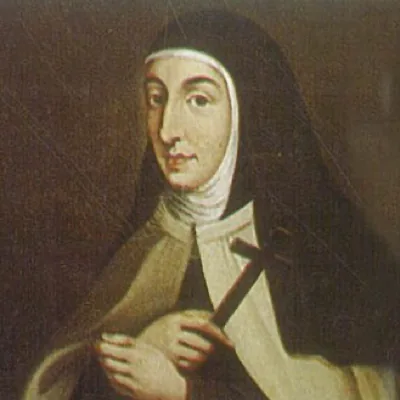
Blessed Anne of Jesus
Carmelite, heir of Teresa of Avila, foundress in France and Flanders
Blessed Ana María Janer
Foundress of the Sisters of the Holy Family of Urgell
Blessed Ana María Mogas
Foundress of the Franciscan Missionaries of the Mother of the Divine Shepherd