
A physician and researcher, he established the chromosomal origin of trisomy 21 and devoted his life to children with intellectual disabilities and to the defence of life.
Born at Montrouge in 1926, Jérôme Lejeune became a physician and joined the team of Professor Raymond Turpin at the Trousseau hospital. In 1959, with Marthe Gautier and Raymond Turpin, he published the discovery of a supernumerary chromosome in children with what was then called mongolism: trisomy 21 was the first chromosomal abnormality described in humans. Holder of the first chair of fundamental genetics at the Paris faculty of medicine, he treated and followed thousands of patients.
A Catholic, he publicly opposed abortion and prenatal screening aimed at eliminating children with trisomy, which earned him the hostility of part of the scientific world. A friend of John Paul II, he became in 1994 the first president of the Pontifical Academy for Life and died in Paris on 3 April of that year. His cause, opened in Paris in 2007, led to the decree of venerability of 21 January 2021.
Celebrated on the same day
Blessed Ezequiel Huerta Gutiérrez
The tenor of Guadalajara
Blessed Salvador Huerta Gutiérrez
The mechanic of Guadalajara
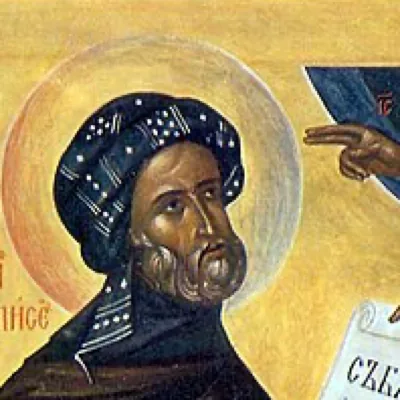
Saint Joseph the Hymnographer
Priest, monk and liturgical poet
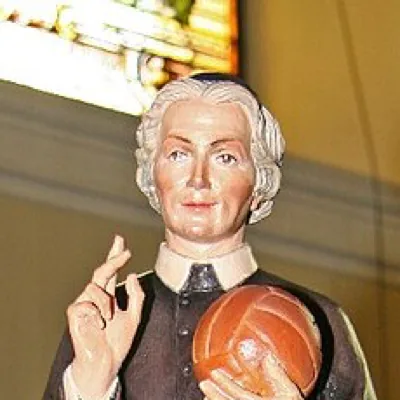
Saint Luigi Scrosoppi
Oratorian, founder of the Sisters of Providence of Udine
Saint Nicetas of Medikion
Hegumen, confessor of the images
Saint Richard of Chichester
Bishop of Chichester
Saint Ulpian of Tyre
Young martyr thrown into the sea
Saints Chrestus and Pappus
Martyrs of Tomis
In the same region
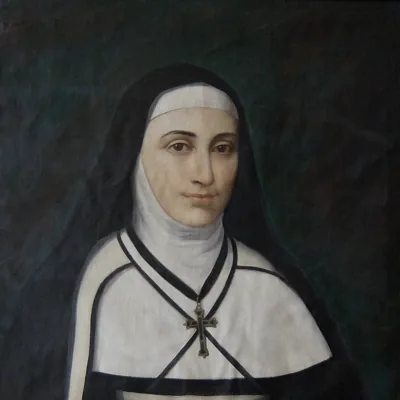
Blessed Adèle de Batz de Trenquelléon
Foundress of the Daughters of Mary Immaculate
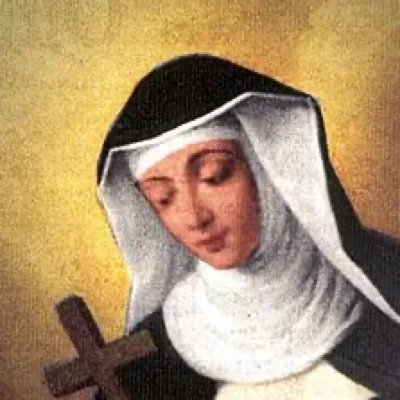
Blessed Agnes of Langeac
Dominican mystic of the Velay
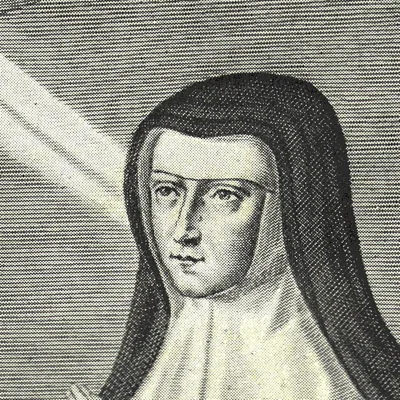
Blessed Alix Le Clerc
Foundress of the Congregation of Notre Dame