
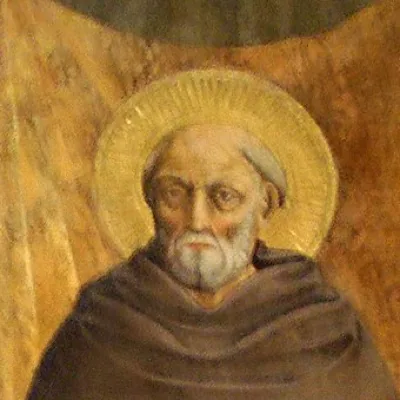
A Florentine noble who forgave his brother’s murderer, he became a monk and then founded Vallombrosa, centre of an austere Benedictine reform in open struggle against simony.
John Gualbert was born in Florence around 995, into a noble family. According to tradition, on a Good Friday he met the murderer of his brother and, instead of killing him, forgave him when the man begged for mercy with arms outstretched in the form of a cross; having then gone in to pray at San Miniato al Monte, he saw the crucifix bow its head towards him. He became a Benedictine monk in that monastery.
Refusing to submit to an abbot whom he judged simoniacal, he left San Miniato, stayed at Camaldoli, and then settled around 1036 in the forest of Vallombrosa, on the slopes of the Pratomagno. He founded there a community living according to a strict observance of the rule of Saint Benedict, with lay brothers in charge of the material work. The Vallombrosan congregation spread in Tuscany: Passignano, San Salvi, Moscheta, Montescalari.
An ardent supporter of the Gregorian reform, he fought the simoniacal bishop of Florence, Pietro Mezzabarba, who was deposed after the ordeal by fire undergone in 1068 by one of his monks, Peter Igneus. He died at the abbey of Passignano on 12 July 1073, where his body is venerated. Celestine III canonised him on 24 October 1193. Pius XII proclaimed him in 1951 patron of the foresters of Italy.
Celebrated on the same day
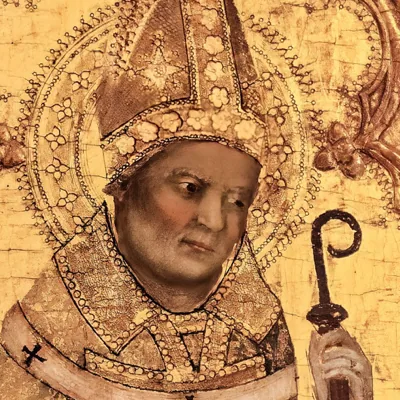
Saint Hermagoras of Aquileia
First bishop of Aquileia, martyr
Saint John Jones
Welsh Franciscan, martyr
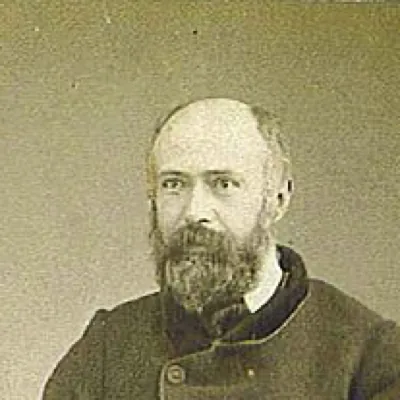
Saint Louis Martin
Father of Saint Thérèse of Lisieux
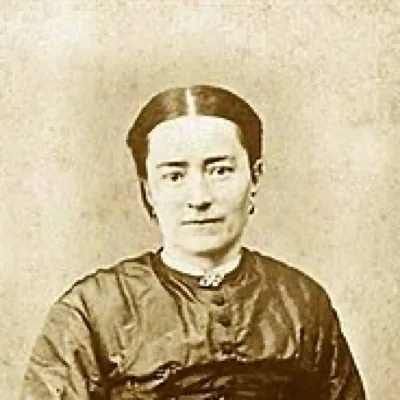
Saint Zélie Martin
Mother of Saint Thérèse of Lisieux

Saints Nabor and Felix
Moorish soldiers, martyrs of Lodi
In the same region

Blessed Angelina of Marsciano
Foundress of the Franciscan Sisters of the Third Order Regular
Blessed Anna Rosa Gattorno
Widow, foundress of the Daughters of St Anne
Blessed Anna Maria Taigi
Mother of a family and Roman mystic