

Saint Hildegard of Bingen
Benedictine abbess, Doctor of the Church
A visionary nun of the Rhine, abbess, theologian, composer and scholar, proclaimed a Doctor of the Church by Benedict XVI in 2012.
The tenth child of a noble family, Hildegard was entrusted as a child to the recluse Jutta, at the monastery of Disibodenberg; in 1136 she succeeded her as magistra of the community of women attached to that men’s abbey. Favoured with visions since childhood, she received in 1141 the command to put them in writing: this is the Scivias, which Pope Eugene III approved at the synod of Trier (1147–1148), with the support of Saint Bernard.
Around 1150 she founded the monastery of Rupertsberg, near Bingen, then that of Eibingen. She composed liturgical chants and a musical drama, the Ordo Virtutum, wrote on medicine and natural science, corresponded with popes, emperors and monks, and preached in the Rhenish cities. She died on 17 September 1179 and, venerated since the Middle Ages, was entered in the catalogue of saints by Benedict XVI on 10 May 2012, then proclaimed a Doctor of the Church on 7 October following.
Explore the 32 moments of their life →
Say and write what you see and hear.
Celebrated on the same day
Blessed Leonella Sgorbati
Consolata Missionary, martyr of Mogadishu

Saint Albert of Jerusalem
Patriarch of Jerusalem, lawgiver of Carmel

Saint Francis Mary of Camporosso
Capuchin brother, ‘the holy father’ of the port of Genoa
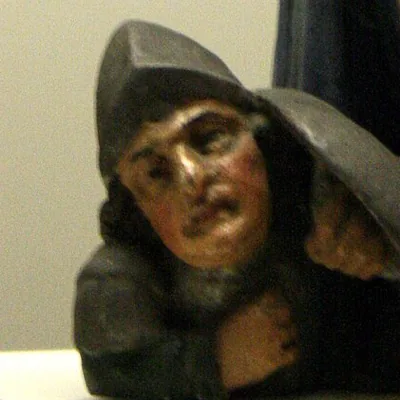
Saint Lambert
Bishop of Maastricht, martyr at Liège

Saint Peter Arbués
Canon of Zaragoza, assassinated
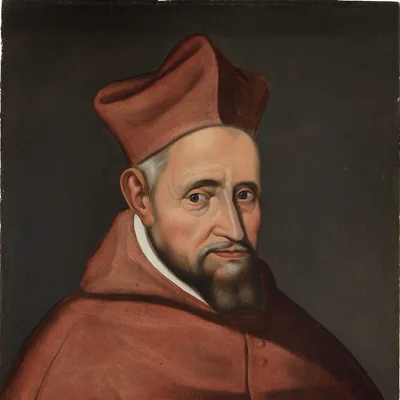
Saint Robert Bellarmine
Jesuit, cardinal and Doctor of the Church
Saint Satyrus of Milan
Brother of Ambrose, survivor of a shipwreck
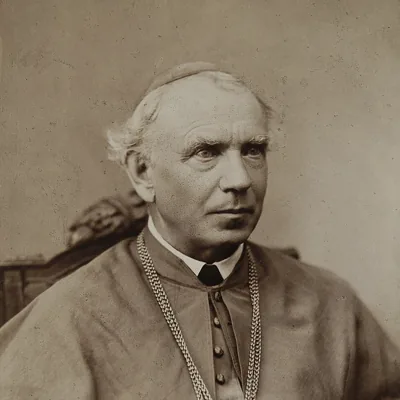
Saint Zygmunt Szczęsny Feliński
Archbishop of Warsaw, exiled twenty years in Russia
Saint Columba of Córdoba
Nun of Tábanos, virgin and martyr
In the same region

Blessed Anne Catherine Emmerich
The stigmatic of Dülmen
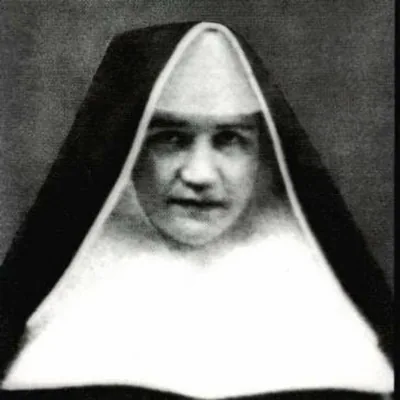
Blessed Blandine Merten
Ursuline, schoolteacher of the Saarland and Trier
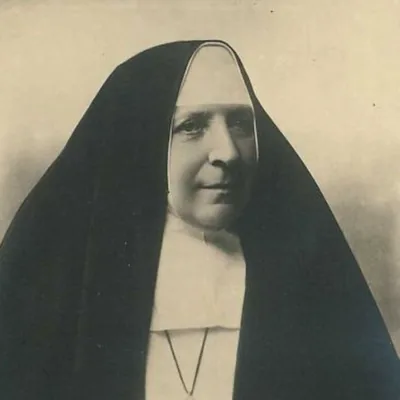
Blessed Clara Fey
Foundress of the Sisters of the Poor Child Jesus