
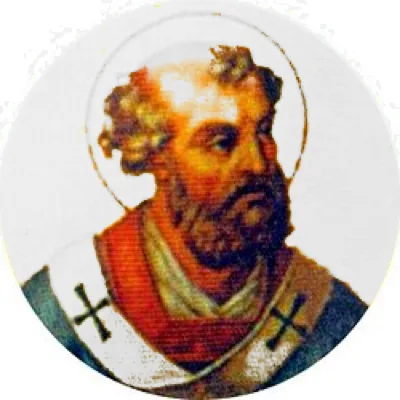
A Sardinian archdeacon, legate of Leo the Great at the Council of Ephesus in 449, he narrowly escaped its violence; as pope, he adorned the baptistery of the Lateran and strengthened the discipline of the Churches of the West.
Born in Sardinia, Hilarus was archdeacon of the Roman Church when Leo the Great sent him as legate to the council gathered at Ephesus in 449. There he refused to subscribe to the condemnation of Patriarch Flavian and, threatened, fled secretly to return to Rome. Attributing his deliverance to the apostle Saint John, he had built near the baptistery of the Lateran an oratory dedicated to the evangelist, whose door still bears the inscription: “To his liberator, blessed John the Evangelist, Hilarus, bishop, servant of Christ.”
Elected to succeed Leo on 19 November 461, he governed firmly the Churches of Gaul and Spain, recalling the rules for the election of bishops and the rights of metropolitans; the synod he held at Rome in 465 is the first whose acts have come down to us. He enriched the churches of Rome with many gifts and had the oratories of the Lateran baptistery fitted out. He died on 29 February 468 and was buried in the basilica of Saint Lawrence outside the Walls. He should not be confused with Saint Hilary of Poitiers.
Celebrated on the same day
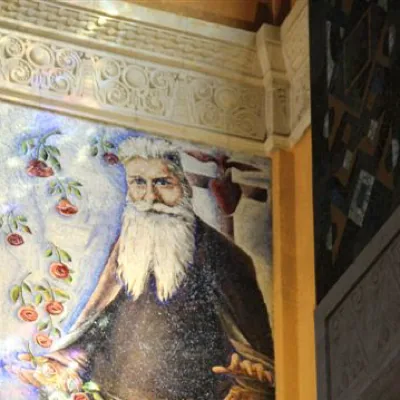
Blessed Daniel Brottier
Spiritan, father of the orphan apprentices of Auteuil
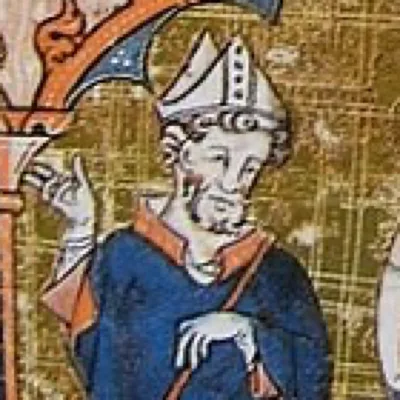
Saint Oswald of Worcester
Bishop of Worcester, archbishop of York
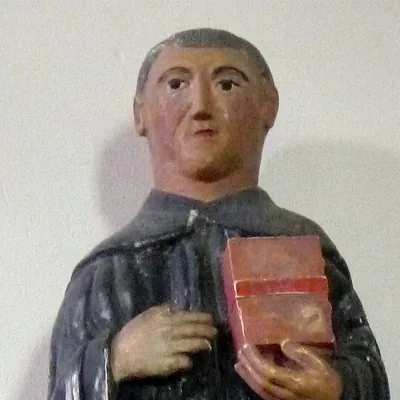
Saint Romanus of Condat
Father of the monks of the Jura
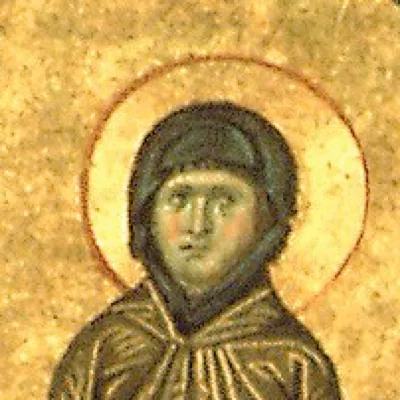
Saints Marana and Cyra
Recluses of Beroea
Holy Martyrs of the Plague of Alexandria
Priests, deacons and laypeople who died caring for the sick
In the same region
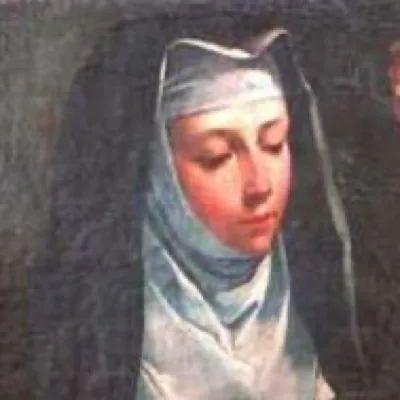
Blessed Angelina of Marsciano
Foundress of the Franciscan Sisters of the Third Order Regular
Blessed Anna Rosa Gattorno
Widow, foundress of the Daughters of St Anne
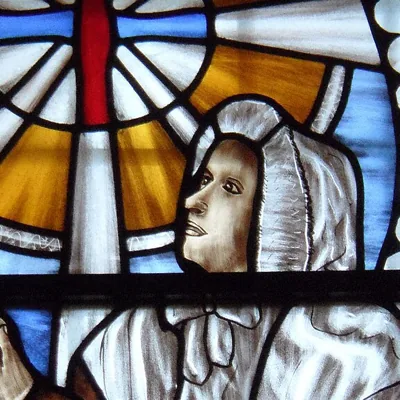
Blessed Anna Maria Taigi
Mother of a family and Roman mystic