
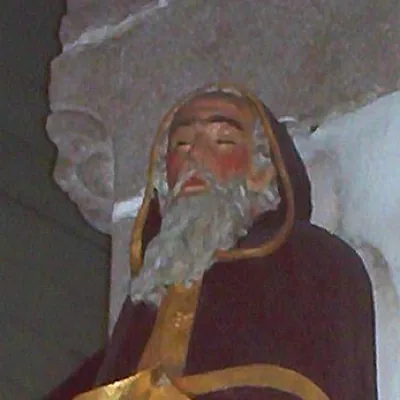
A hermit blind from birth, singer of the joys of paradise, he is after Saint Ivo one of the most popular saints of Brittany, often depicted with the wolf he is said to have tamed.
Hervé is known only from a late Life, written in the thirteenth century, whose historicity is uncertain. According to it, he was born around 520 in Léon, the son of the bard Hyvarnion, who came from the island of Britain, and of Rivanone, and he was blind from birth. Brought up by his mother, he learned the singing of the psalms, followed the lessons of the hermit Arzian, then trained with his uncle Saint Urfold, who lived as a hermit at Bourg-Blanc. He consecrated himself to God in solitude and attracted disciples.
The account has him pass from hermitage to hermitage, from Lanhouarneau to Bourg-Blanc and as far as Cornouaille. Out of humility, he refused the priesthood and accepted only the order of exorcist. His Life shows him at Menez Bré, among the Breton bishops who excommunicated the tyrant Conomor. The best-known tradition relates that a wolf having devoured the donkey with which they were ploughing, Hervé made the beast take its place: this is why he is depicted holding a wolf on a leash.
He died at Lanhouarneau around 568, on 22 June 566 according to one tradition, and was buried there. In 878, before the Viking raids, his remains were sheltered at Brest and then taken to the cathedral of Nantes; relics were scattered to Rennes, Saint-Pol-de-Léon and Le Faouët. The skull attributed to him, found at Rennes at the end of the twentieth century, returned to Lanhouarneau in 1998. Patron of the Breton bards, he is invoked for diseases of the eyes, and his pardons are numerous in Lower Brittany.
Celebrated on the same day
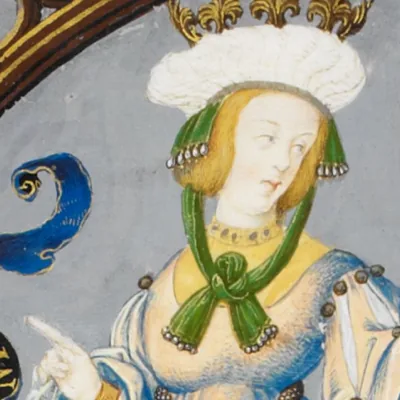
Bienheureuse Thérèse de Portugal
Reine de León, moniale cistercienne de Lorvão
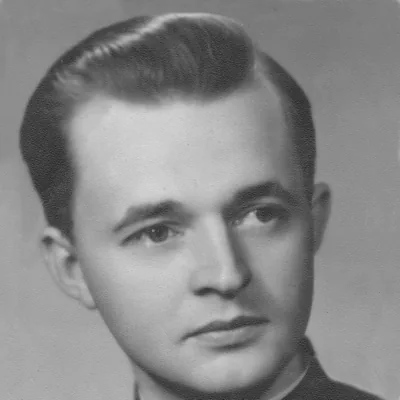
Blessed Jan Bula
Priest martyr of the Babice affair
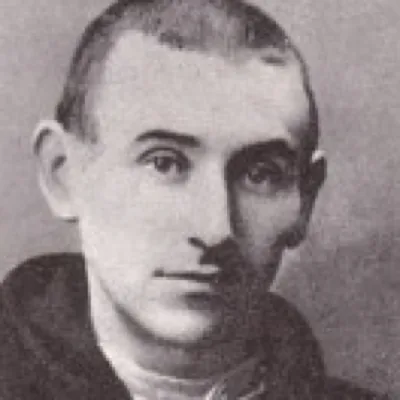
Blessed Joseph-Marie Cassant
Trappist of Sainte-Marie du Désert
Blessed Paolo Burali of Arezzo
Theatine, cardinal, Archbishop of Naples
Blessed Peter of Pisa
Founder of the Poor Hermits of Saint Jerome
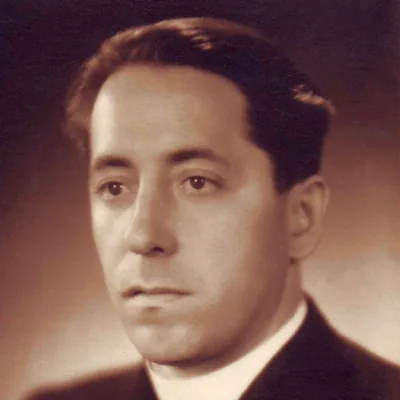
Bienheureux Václav Drbola
Curé de Babice, martyr
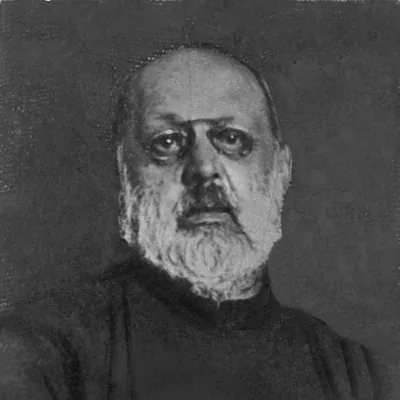
Saint Albert Chmielowski
Painter who became brother of the poor
Saint Botolph
Abbot of Icanho
Saint Hypatius of Rufinianae
Hegumen near Chalcedon
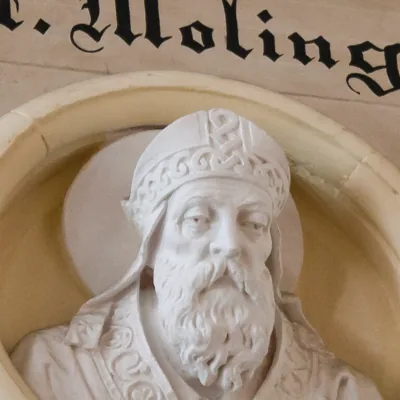
Saint Moling of Ferns
Bishop of Ferns, founder of St Mullins
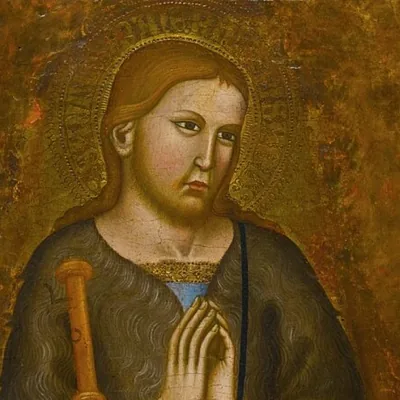
Saint Rainier de Pise
Pèlerin et ermite, patron de Pise
Saint Alena
Virgin and martyr of Forest
Saints Nicander and Marcian
Soldier martyrs of Durostorum
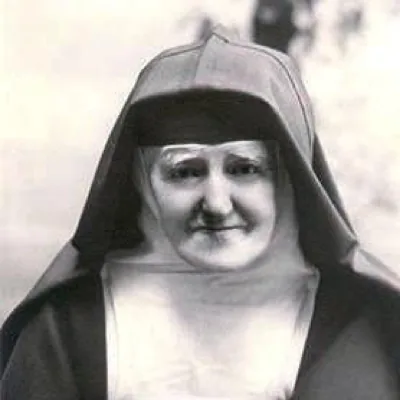
Servant of God Léonie Martin
Visitation nun of Caen, sister of Saint Thérèse
In the same region
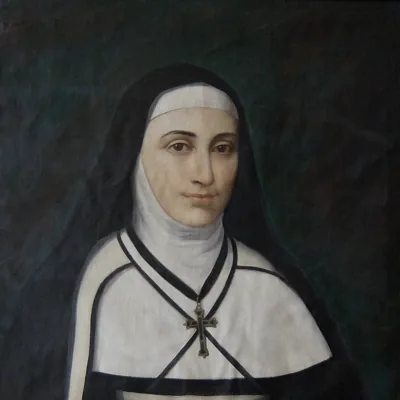
Blessed Adèle de Batz de Trenquelléon
Foundress of the Daughters of Mary Immaculate
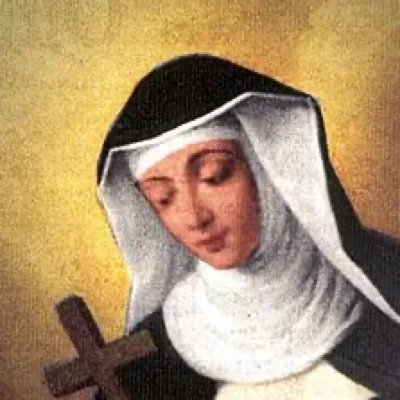
Blessed Agnes of Langeac
Dominican mystic of the Velay
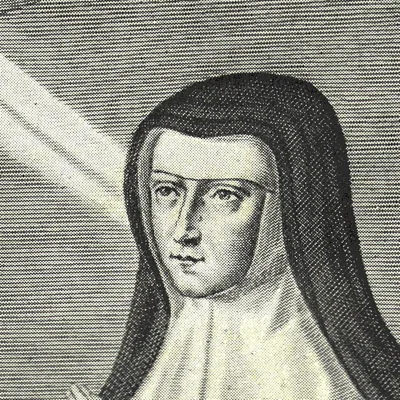
Blessed Alix Le Clerc
Foundress of the Congregation of Notre Dame