
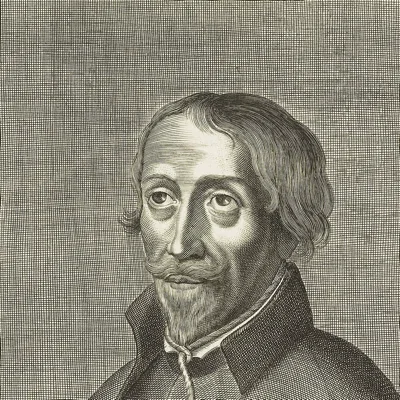
A converted lawyer who became a Jesuit, he tended the plague victims at Newcastle and then in London, was repeatedly imprisoned and banished, and died at Tyburn under the Long Parliament.
Born a Protestant in 1595 at Brome, in Suffolk, Henry Morse studied law at Cambridge and Gray’s Inn, then was converted at the English College at Douai. Arrested at Dover on his return for refusing the oath of allegiance, he spent four years in prison before being banished. Ordained priest at Rome, he left on mission in 1624 and tended the plague victims of Newcastle; imprisoned at York, he made his Jesuit novitiate there under a fellow prisoner.
Banished, he became chaplain to the English and Irish soldiers of the Spanish army in the Netherlands, then returned to London in 1633. During the plague of 1635, he visited the sick of the parish of Saint-Giles-in-the-Fields, caught the disease himself and gathered relief with John Southworth; he converted many families. Arrested in 1636 and condemned, he was released on bail at the request of Queen Henrietta Maria, then went into exile of his own accord so as not to ruin his sureties.
Returning in 1643, he was arrested in the North and sent to London, now in the hands of Parliament. Condemned on his earlier sentence, he was hanged at Tyburn on 1 February 1645 in the presence of the French ambassador, whose servants dipped their handkerchiefs in his blood. Beatified in 1929, he was canonised by Paul VI in 1970.
Celebrated on the same day
Blessed Benedict Daswa
Schoolteacher, catechist and martyr
Blessed Guillaume Repin and Companions
Martyrs of Angers and Avrillé
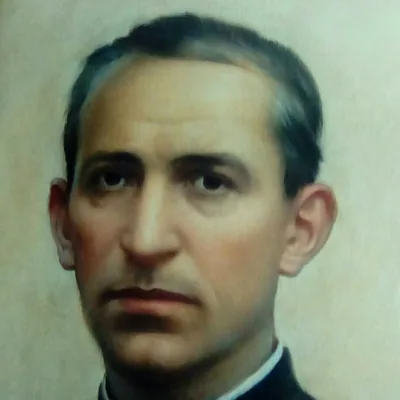
Blessed Luigi Variara
The apostle of the lepers of Agua de Dios
Blessed Mateu Casals and his Companions
One hundred and nine Claretian martyrs
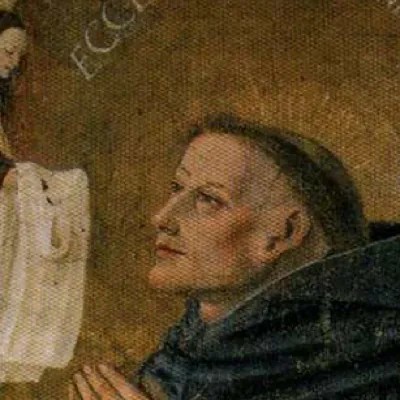
Blessed Reginald of Orléans
Preacher, disciple of Saint Dominic
Saint Caecilius of Granada
First Bishop of Iliberris, patron of Granada
Saint John of La Grille
Bishop of Saint-Malo
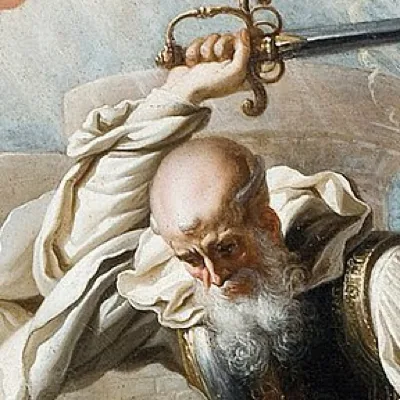
Saint Raymond of Fitero
Cistercian abbot, founder of the Order of Calatrava
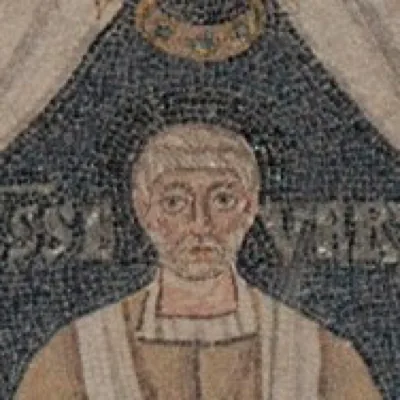
Saint Severus of Ravenna
Bishop of Ravenna, the weaver chosen by a dove
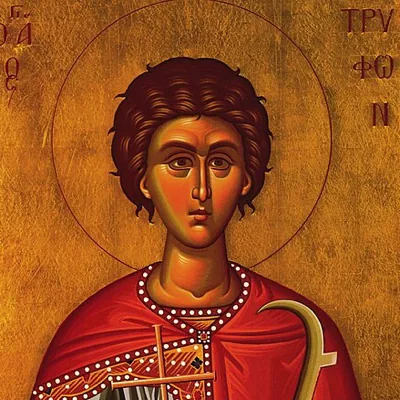
Saint Tryphon
Martyr, patron of gardeners
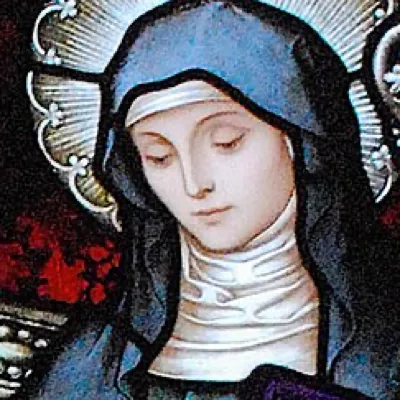
Saint Brigid of Kildare
Abbess of Kildare, patron of Ireland
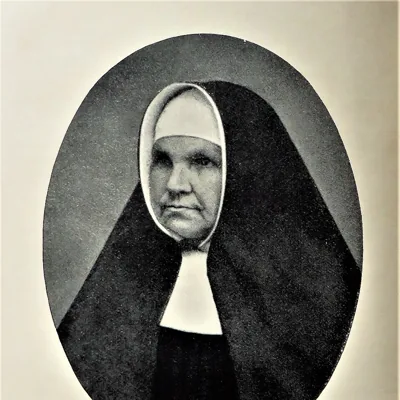
Saint Katharina Kasper
Foundress of the Poor Handmaids of Jesus Christ
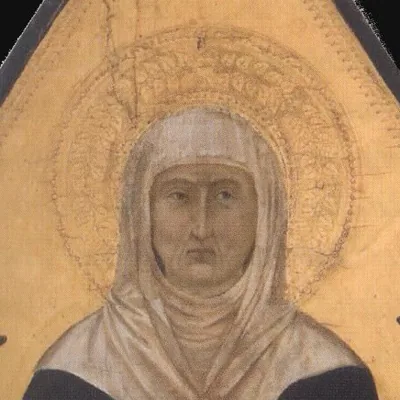
Saint Verdiana
Recluse of Castelfiorentino
In the same region
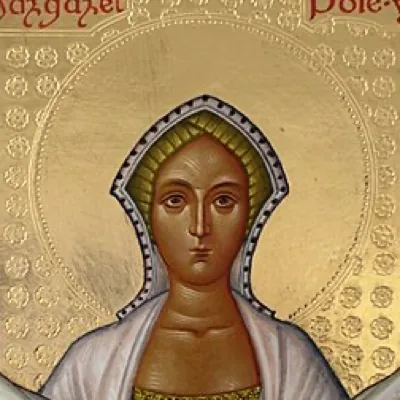
Blessed Margaret Pole
Countess of Salisbury, martyr
Blessed Adrian Fortescue
Knight of Malta, Dominican tertiary, martyr
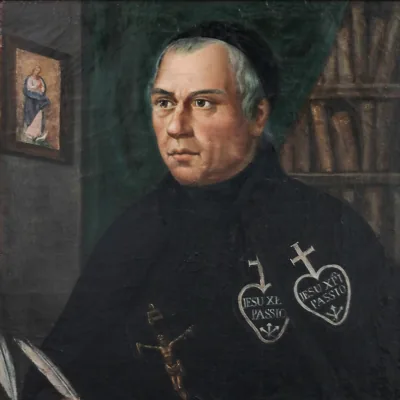
Blessed Dominic Barberi
Passionist, apostle of England