
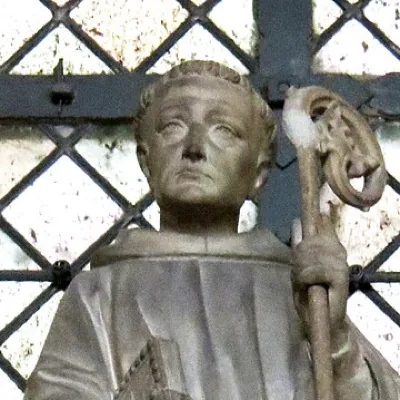
Born in Italy and trained at Cluny, he made Saint-Bénigne of Dijon the centre of a monastic reform that spread to Burgundy, Lorraine, Normandy and Italy.
William was born in 962 on the island of San Giulio, in Lake Orta, while the emperor Otto I was besieging the fortress held by his father; the emperor was his godfather. A monk at Locedio, in Piedmont, he joined Cluny in 987, whence Saint Mayeul sent him in 989 to restore the abbey of Saint-Bénigne of Dijon, of which he became abbot.
Austere and a builder, he raised at Dijon a basilica with a famous rotunda and reformed some forty monasteries in Burgundy, Lorraine and Italy, where he founded Fruttuaria. Called by Duke Richard II, he restored in 1001 the abbey of Fécamp, whence his reform spread throughout Normandy. He opened his monasteries to the free instruction of clerics and the poor. He died at Fécamp on 1 January 1031.
Celebrated on the same day
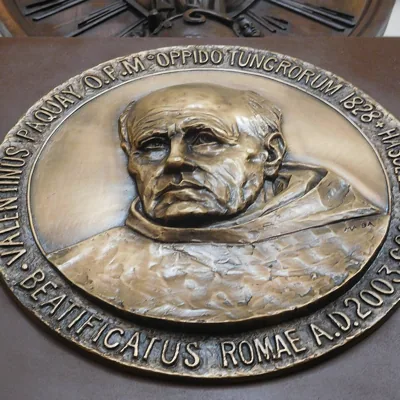
Blessed Valentin Paquay
The “holy little father” of Hasselt
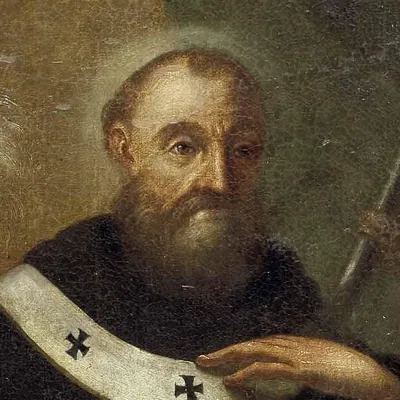
Saint Fulgentius of Ruspe
Bishop, monk and theologian of grace
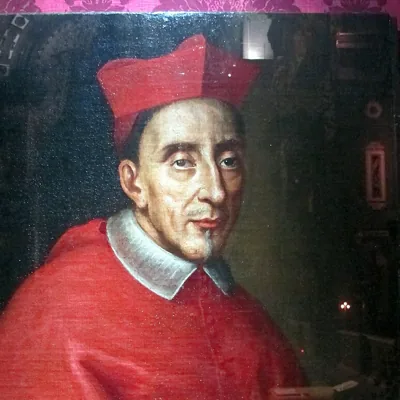
Saint Joseph Mary Tomasi
Theatine, cardinal, scholar of the liturgy
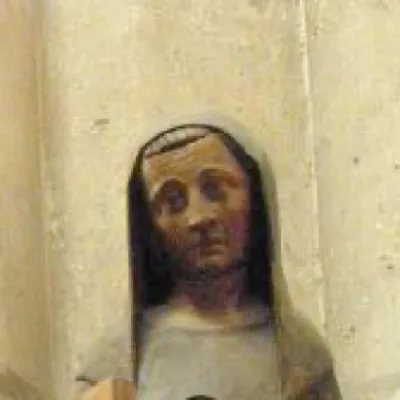
Saint Odilo of Cluny
Fifth abbot of Cluny
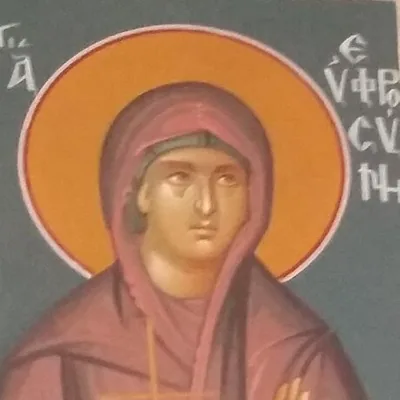
Saint Euphrosyne of Alexandria
Nun in a monk's habit
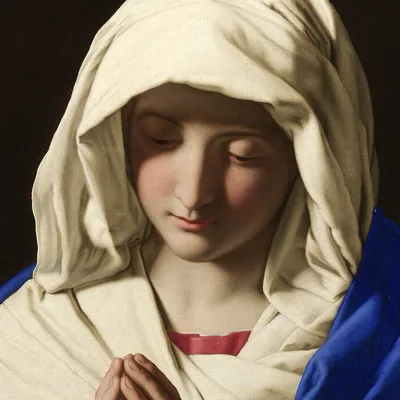
The Blessed Virgin Mary
Mother of God, Queen of Heaven
In the same region
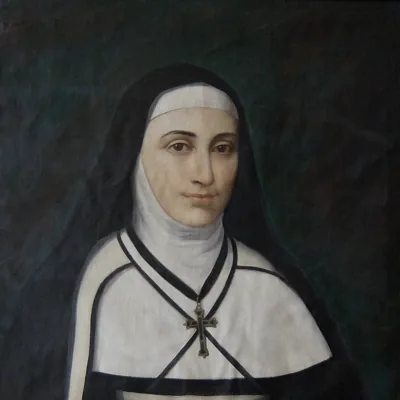
Blessed Adèle de Batz de Trenquelléon
Foundress of the Daughters of Mary Immaculate
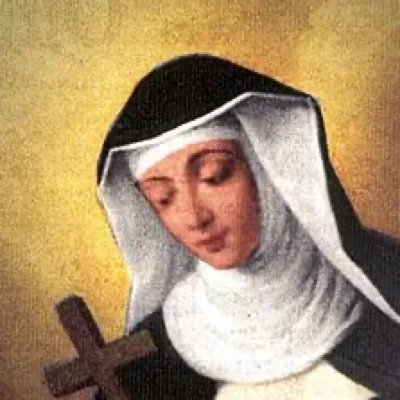
Blessed Agnes of Langeac
Dominican mystic of the Velay
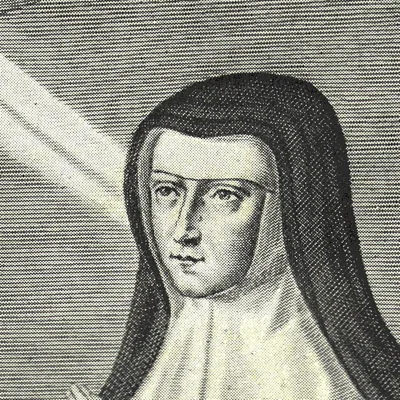
Blessed Alix Le Clerc
Foundress of the Congregation of Notre Dame