

A Roman monk of Tuscan origin, adviser to several popes and then pope himself, Hildebrand led the reform that bears his name and confronted the emperor Henry IV in the Investiture Controversy.
Hildebrand was born around 1020 at Sovana, in southern Tuscany, and grew up in Rome, where he was trained at the monastery of Santa Maria on the Aventine. Chaplain to Gregory VI, he followed him into exile at Cologne in 1047, then returned to Rome with Leo IX in 1049. Under five successive pontificates, as subdeacon and then archdeacon of the Roman Church, he was one of the principal architects of the reform that fought simony and the marriage of clerics.
Elected pope by acclamation on 22 April 1073, he took the name Gregory VII. The Dictatus papae (1075) assert the authority of the see of Peter; the prohibition of lay investiture set him against King Henry IV, whom he excommunicated in 1076. The sovereign came to do penance at Canossa in January 1077, but the conflict resumed: a new excommunication in 1080, the election of the antipope Clement III, the siege of Rome. In 1084 the Normans of Robert Guiscard delivered him but sacked the city.
Forced to leave Rome, he withdrew to Salerno, where he died on 25 May 1085; according to his biographers, his last words were: “I have loved justice and hated iniquity; therefore I die in exile.” His tomb is in the cathedral of Salerno, in Campania. Beatified in 1584 under Gregory XIII, he was canonised by Paul V in 1606; Benedict XIII extended his feast to the whole Church in 1728.
Celebrated on the same day
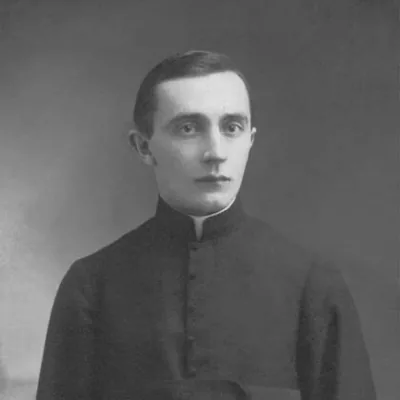
Blessed Mykola Tsehelsky
Parish priest of Soroka, martyr of the Gulag
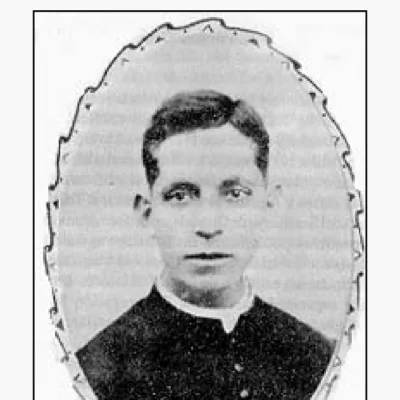
Saint Agustín Caloca Cortés
Prefect of the seminary of Totatiche
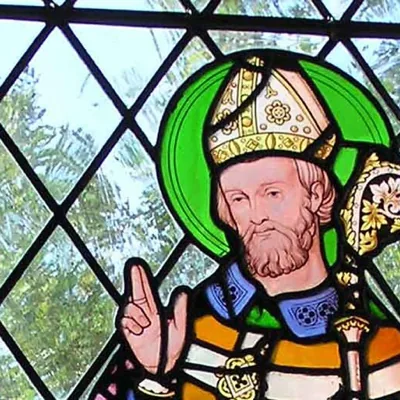
Saint Aldhelm
Abbot of Malmesbury, Bishop of Sherborne
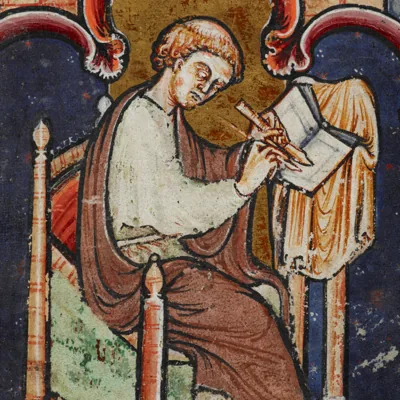
Saint Bede the Venerable
Monk of Jarrow, doctor of the Church
Saint Gennadius of Astorga
Bishop of Astorga, restorer of the monasticism of the Bierzo
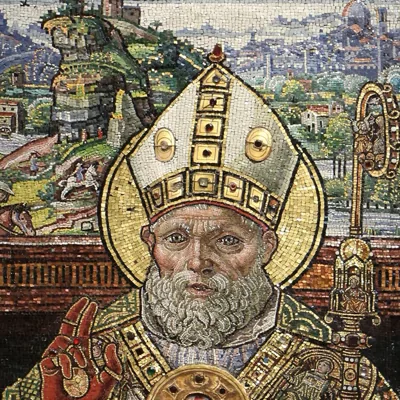
Saint Zenobius of Florence
First great bishop of Florence
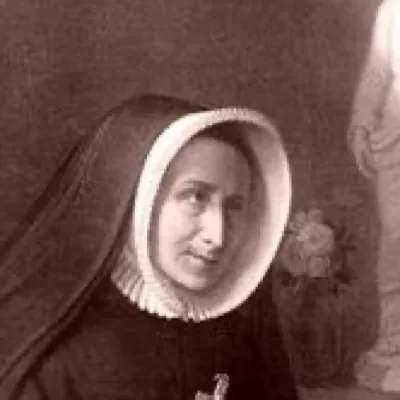
Saint Madeleine Sophie Barat
Foundress of the Society of the Sacred Heart
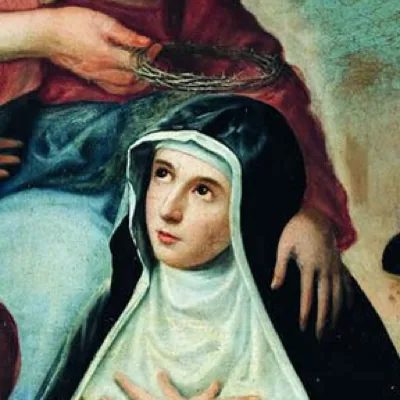
Saint Mary Magdalene de' Pazzi
Florentine Carmelite, mystic of divine love
In the same region
Blessed Angelina of Marsciano
Foundress of the Franciscan Sisters of the Third Order Regular
Blessed Anna Rosa Gattorno
Widow, foundress of the Daughters of St Anne
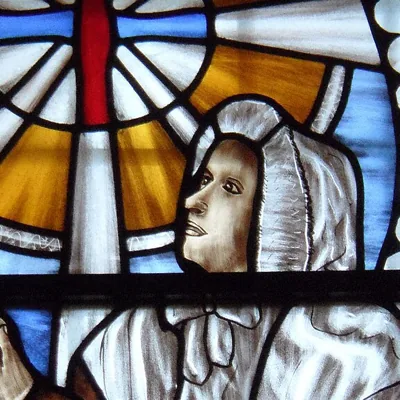
Blessed Anna Maria Taigi
Mother of a family and Roman mystic