
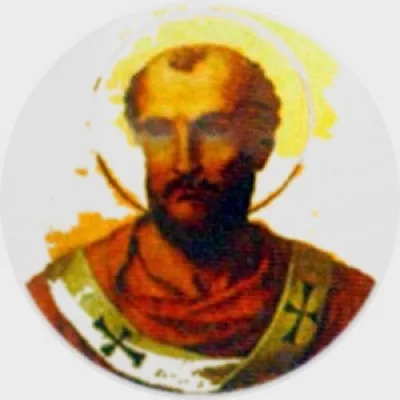
Gregorius PP. I Magnus
Saint Gregory the Great
Pope, Doctor of the Church, “servant of the servants of God”
Prefect of Rome turned monk and then pope, he governed the Church in an Italy ravaged by plague and the Lombards, sent Augustine to evangelise England and left a body of work that nourished the whole Middle Ages.
Born around 540 into a Christian senatorial family of Rome — his mother Saint Silvia and his aunts Tarsilla and Emiliana are venerated —, Gregory became prefect of the City around 573. Shortly afterwards he gave up his office, turned the family house on the Caelian into a monastery dedicated to Saint Andrew and founded six other monasteries on his estates in Sicily. Pope Pelagius II made him a deacon and sent him as apocrisiarius, that is, the pope’s representative, to the emperor at Constantinople, where he stayed from about 579 to 585.
Back at his monastery, he was elected pope in 590, just as the plague had carried off Pelagius II; he was consecrated on 3 September. In an Italy that the Byzantines no longer defended, he organised the supply of Rome from the Church’s estates, negotiated himself with the Lombard king Agilulf and kept up a regular correspondence with the Catholic queen Theodelinda. He gave himself the title “servant of the servants of God”, which his successors would keep.
In 596 he sent the prior of his monastery, Augustine, with some forty monks, to evangelise the Anglo-Saxons: England has always honoured him as its apostle. More than eight hundred surviving letters show a pastor attentive to bishops, to the poor and to the Jews, whom he defended against forced conversions. His Pastoral Rule became the manual of the bishops of the Middle Ages; his Moralia on Job, his homilies and his Dialogues, which tell the life of Saint Benedict, are among the most widely read books of the West. Tradition attributes to him the organisation of the liturgical chant that bears his name.
Worn out by illness, he died on 12 March 604 and was buried at Saint Peter’s in the Vatican. With Ambrose, Augustine and Jerome, he is one of the four great doctors of the Latin Church recognised by Boniface VIII in 1298.
The proof of love is the performance of deeds.
Celebrated on the same day
Saint Mansuetus of Toul
First Bishop of Toul
Saint Marinus
Deacon and hermit, founder of San Marino
Saint Remaclus
Founder of the abbeys of Stavelot and Malmedy
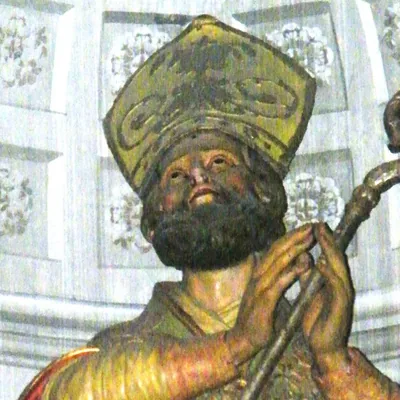
Saint Vitalian of Capua
Bishop of Capua, patron of Catanzaro
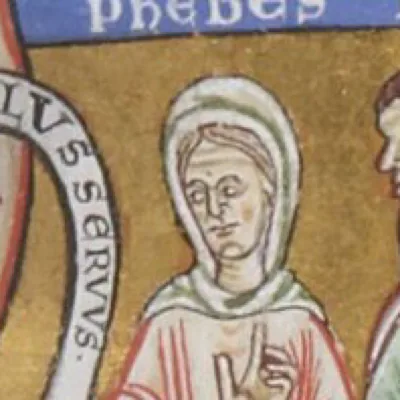
Saint Phoebe
Deaconess of the Church of Cenchreae
In the same region
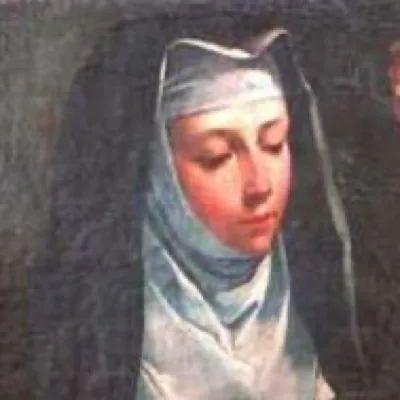
Blessed Angelina of Marsciano
Foundress of the Franciscan Sisters of the Third Order Regular
Blessed Anna Rosa Gattorno
Widow, foundress of the Daughters of St Anne
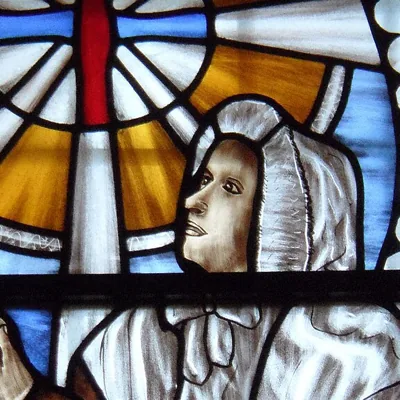
Blessed Anna Maria Taigi
Mother of a family and Roman mystic