
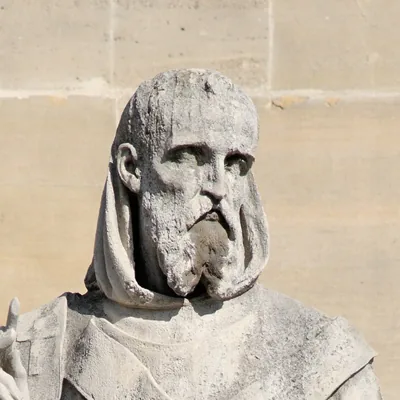
Bishop of Tours from the Arvernian aristocracy, he wrote the “Ten Books of Histories”, known as the “History of the Franks”, the principal source on Merovingian Gaul, and many lives of saints.
Born in Auvergne on 30 November 538 or 539, Georgius Florentius belonged to a Gallo-Roman senatorial family that had given several bishops: his uncle Gall was bishop of Clermont, and he was related to Saint Nicetius of Lyon and to Euphronius of Tours. He took the name of Gregory in memory of his great-grandfather, Saint Gregory of Langres. Brought up by his mother and his uncles, he was ordained deacon; around 563, ill, he went to the tomb of Saint Martin, at Tours, where he obtained his healing.
In 573 he was elected bishop of Tours with the support of King Sigebert and Queen Brunhild. For more than twenty years, amid the unending wars between the grandsons of Clovis, he defended the rights of his Church and the right of asylum of the basilica of Saint Martin. He opposed King Chilperic and Queen Fredegund, whom he accused of the murder of Bishop Praetextatus of Rouen, and had to justify himself in 580 before a council, accused of having slandered the queen.
He died at Tours, probably on 17 November 594. His work is considerable: the “Ten Books of Histories”, better known under the title “History of the Franks”, recount the history of the world down to his own time and are, in a simple and lively Latin, the principal source on sixth-century Gaul; the books of Miracles and the “Life of the Fathers” gather the accounts of Saint Martin, Saint Julian of Brioude and the saints of Gaul. He is venerated at Tours and in Auvergne.
Woe to our days, for the study of letters has perished from among us, and no one can be found among the peoples who is able to set down in writing the events of the present.
Celebrated on the same day
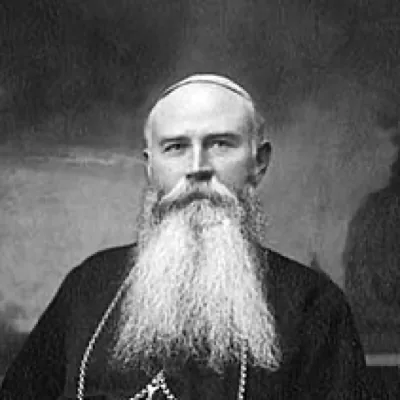
Blessed Josaphat Kotsylovsky
Greek Catholic Bishop of Przemyśl, martyr
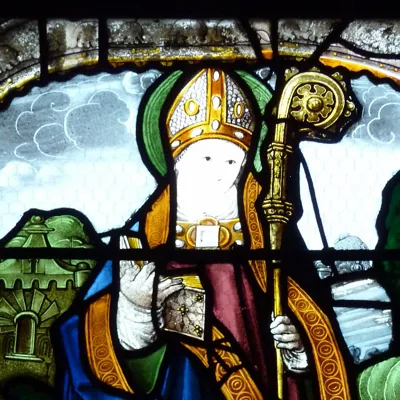
Saint Aignan of Orléans
Defender of Orléans against Attila
Saint Florinus of Remüs
Priest of Ramosch, patron of Vaduz
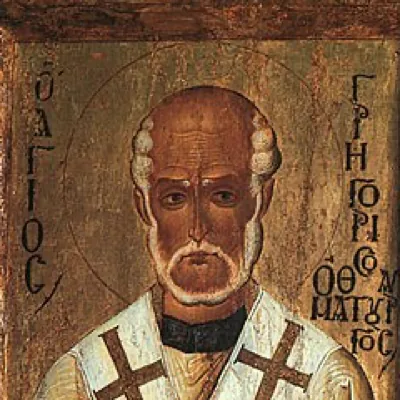
Saint Gregory Thaumaturgus
Bishop of Neocaesarea
Saint Lazarus the Iconographer
Monk and icon painter, confessor
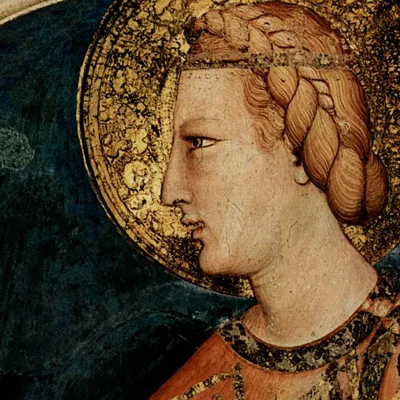
Saint Elizabeth of Hungary
Landgravine of Thuringia, servant of the poor
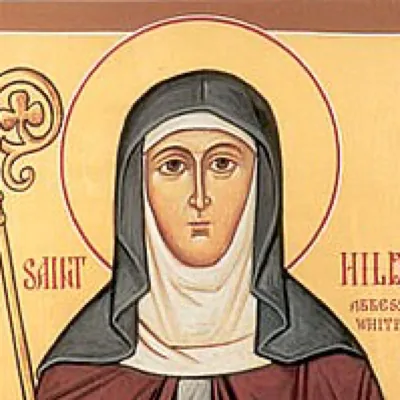
Saint Hilda of Whitby
Abbess of Whitby
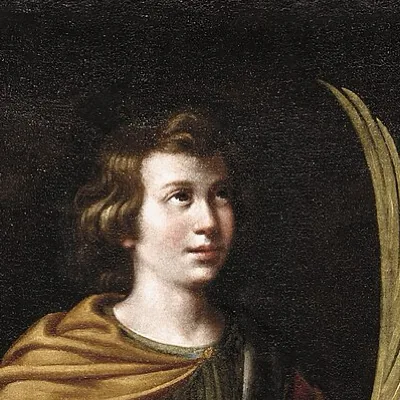
Saints Acisclus and Victoria
Martyrs, patrons of Córdoba
Saints Alphaeus and Zacchaeus
Reader and deacon, martyrs at Caesarea
In the same region
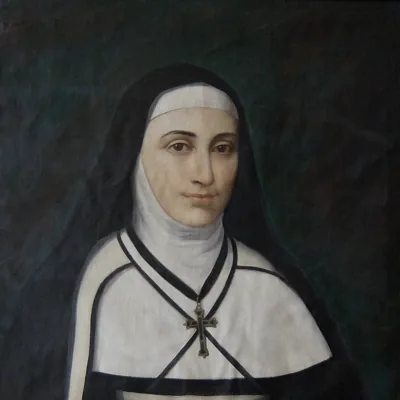
Blessed Adèle de Batz de Trenquelléon
Foundress of the Daughters of Mary Immaculate
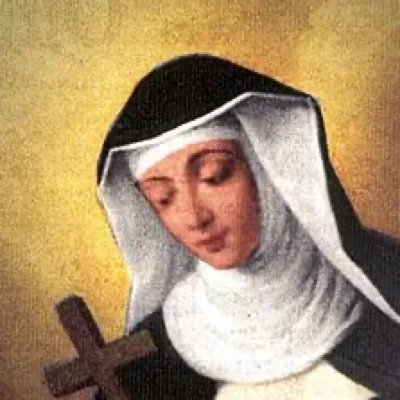
Blessed Agnes of Langeac
Dominican mystic of the Velay
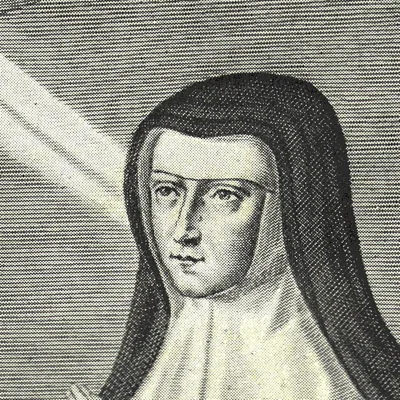
Blessed Alix Le Clerc
Foundress of the Congregation of Notre Dame