
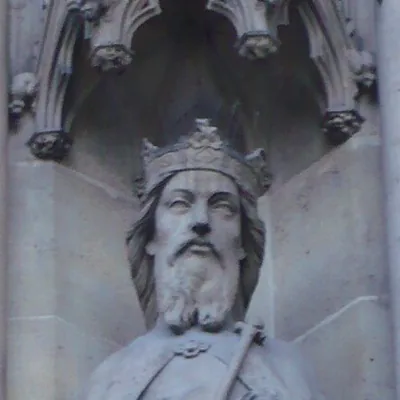
A grandson of Clovis and king of Burgundy, established at Chalon-sur-Saône, he was, amid the fratricidal wars of the Merovingians, a penitent sovereign, generous to the poor and to the churches.
The son of Clotaire I and Ingund, grandson of Clovis, Guntram was born at Soissons around 532. At his father’s death, in 561, he received the kingdom of Orléans and Burgundy, then settled at Chalon-sur-Saône. His reign was marked by the war between his brothers Sigebert and Chilperic, whom he tried in vain to reconcile. Having lost his sons, he adopted in 577 his nephew Childebert II, son of Sigebert and Brunhild, and concluded with him in 587 the Treaty of Andelot, which settled the succession between their kingdoms.
His life was not free of faults: Gregory of Tours reports that he repudiated a wife and had the physicians of Queen Austrechild put to death, at the request of the dying queen. The same historian, who knew him well, nonetheless calls him “the good King Guntram”: he gathered councils, heaped gifts on the churches and the poor and, during an epidemic, ordered fasts and public prayers. Gregory adds that threads pulled from his cloak were reputed to heal the sick.
Around 577 he founded near Chalon the abbey of Saint-Marcel, where he established perpetual psalmody. He died at Chalon on 28 March 592, or 593 according to some historians, and was buried in the basilica of Saint-Marcel. His subjects at once venerated him as a saint, and the Roman Martyrology presents him as a king who “atoned for his faults in penance and piety”. In the sixteenth century the Huguenots scattered his remains; only his skull was spared; it is kept at Chalon in a silver reliquary.
Celebrated on the same day
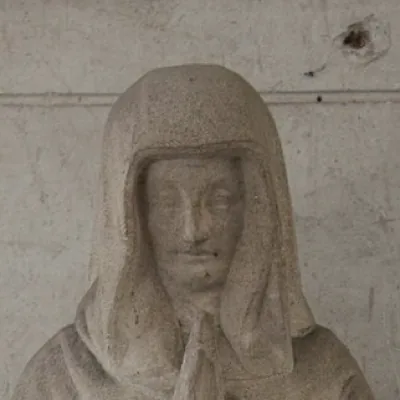
Blessed Joan Mary of Maillé
Widow and recluse of Tours
Saint Cyril of Heliopolis
Deacon, martyr of Baalbek
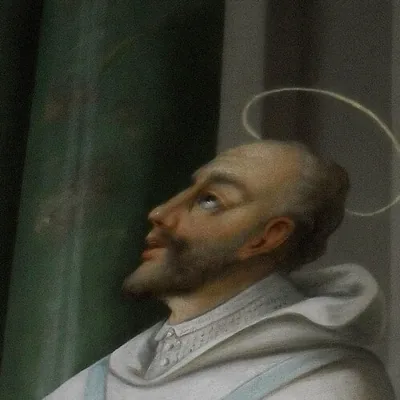
Saint Stephen Harding
Abbot of Cîteaux, lawgiver of the Cistercians
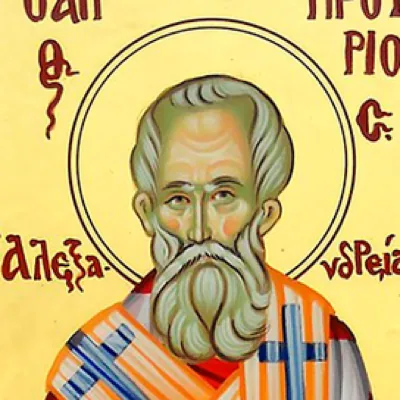
Saint Proterius of Alexandria
Patriarch of Alexandria and martyr
Saints Priscus, Malchus and Alexander
Martyrs thrown to the beasts at Caesarea
In the same region
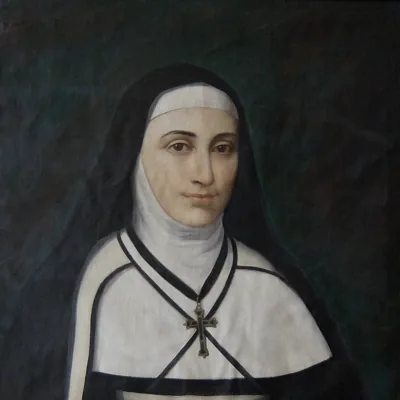
Blessed Adèle de Batz de Trenquelléon
Foundress of the Daughters of Mary Immaculate
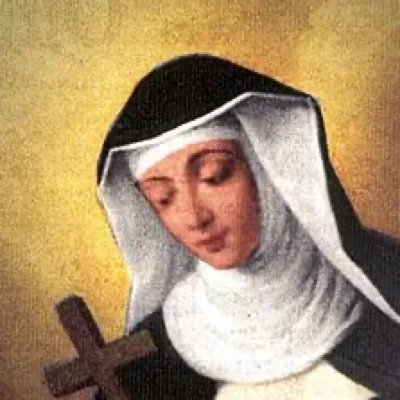
Blessed Agnes of Langeac
Dominican mystic of the Velay
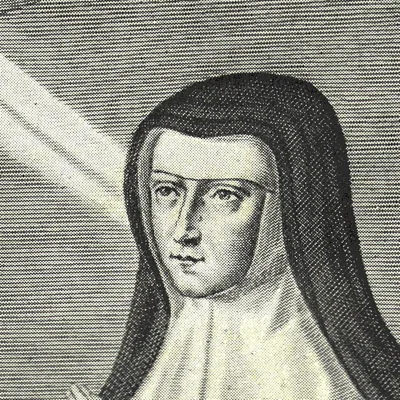
Blessed Alix Le Clerc
Foundress of the Congregation of Notre Dame